SDG 12: responsible consumption and production
HKUST values the importance of the environment and encourages our community to have an environmentally conscious approach in their consumption habits. We have developed policies for the sustainable sourcing of materials and reduction of disposable one-time use items on campus, programs for waste disposal tracking, recycling, and plastic reduction have also been implemented. Through our curriculum, research projects and community campaigns we aim to raise awareness and practical improvements that our stakeholders can take, encouraging community involvement in sustainable consumption.
Curriculum
Common Core Program
The Common Core Program requirements are mandatory for all undergraduate students, ensuring every graduate has the opportunity to engage with sustainability. For the 2024-25 academic year, over 20 Common Core courses are directly related to Sustainability and the SDGs, making sustainability education an integral part of the foundational curriculum for all students.
Extended Major in Sustainability
For students seeking deeper engagement, the Extended Major in Sustainability is available in combination with Science, Engineering, Business, Humanities and Social Science, and most Academy of Interdisciplinary Studies majors. In 2024-2025, it offers 55 courses covering a range of SDG topics, providing an interdisciplinary pathway for students across disciplines.
Other Relevant Programs
Additional specialized degree programs further integrate SDGs into the curriculum, including the BSc in Environmental Management and Technology (EVMT) , the BSc in Sustainable and Green Finance (SGFN) , and the BSc in Ocean Science and Technology (OST). These multi-disciplinary programs equip students with the knowledge and skills needed to address specific sustainability challenges.
For more details on the integration of SDGs across the HKUST curriculum, please click here.
HKUST offers courses such as:
ENVR 1080 – The Smart Consumer - Uncovering the Hidden Story behind the Product Lab: Empowers students to make informed, sustainable choices by tracing product lifecycles and assessing corporate environmental claims .
ENVR 2060 – From Trash to Treasure: Transforming Waste into Resources: Introduces innovative waste-to-resource technologies, including recycling, upcycling, and circular economy approaches to materials management .
ISDN 1130 – Introduction to Eco-Design: Teaches design principles that minimize environmental impact, focusing on sustainable materials, energy efficiency, and end-of-life product considerations.
Research
According to Science Direct, from 2021 to 2025, HKUST published 440 research papers addressing SDG 12.
14.9% of them are in the top 10% cite score and around 69.1% are internationally co-authored.
Research Highlights
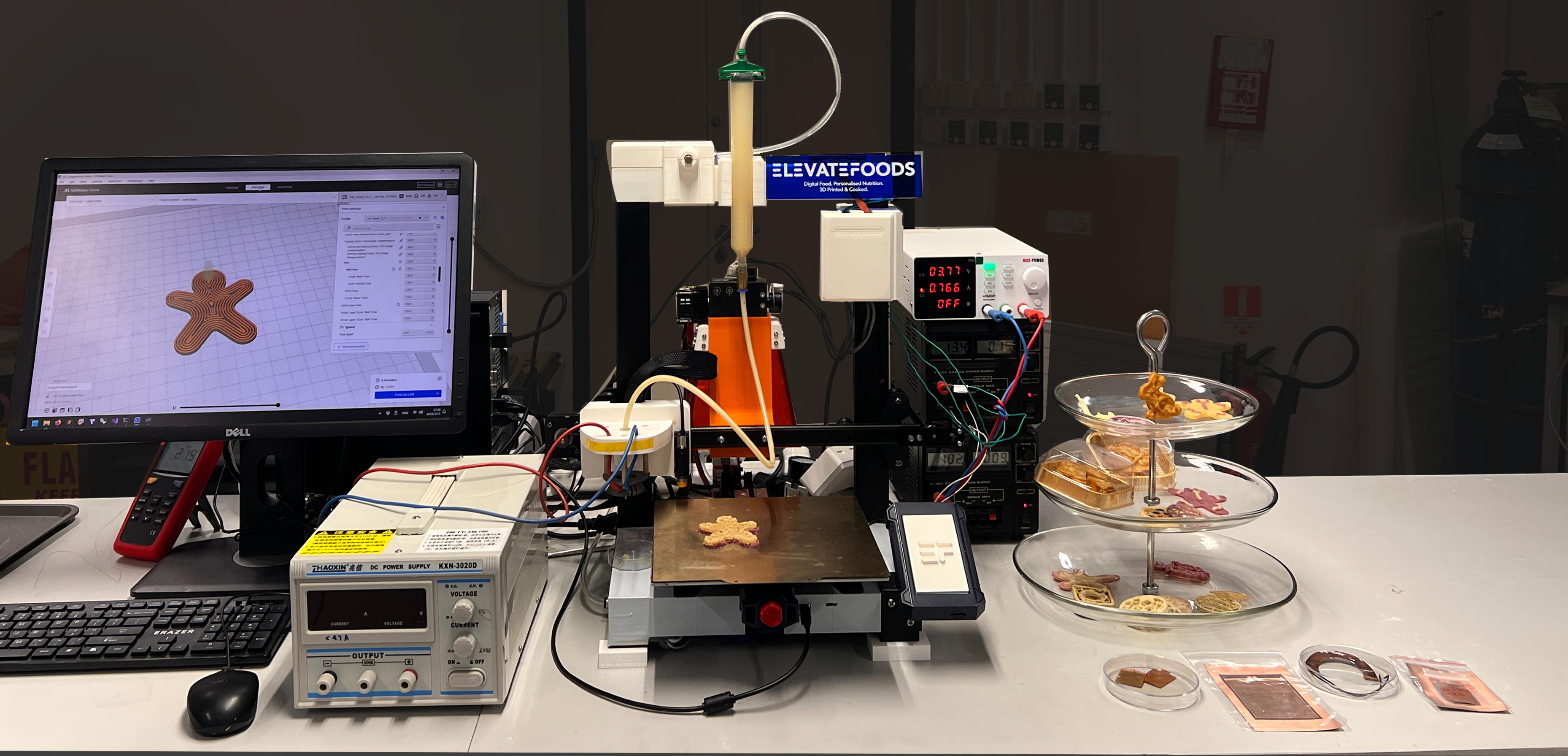
HKUST Develops AI-Enhanced 3D Food Printing for Personalized, Sustainable Nutrition
HKUST researchers have developed an AI-assisted 3D food printing system that combines printing with infrared cooking, producing safe, precisely shaped, and visually appealing food in one step. The technology reduces food waste by enabling on-demand production and tailored nutrition—particularly beneficial for patients with swallowing difficulties and elderly care settings. By streamlining food production and minimizing contamination risks, this innovation supports SDG 12 (Responsible Consumption and Production) through efficient resource use and waste reduction. The findings were published in Advanced Materials.
Publication
Beyond its operational efforts to promote sustainable resource use and waste reduction on campus, HKUST is also advancing SDG 12 through research that drives responsible consumption and production patterns. The following publications highlight the university's commitment to addressing SDG 12:
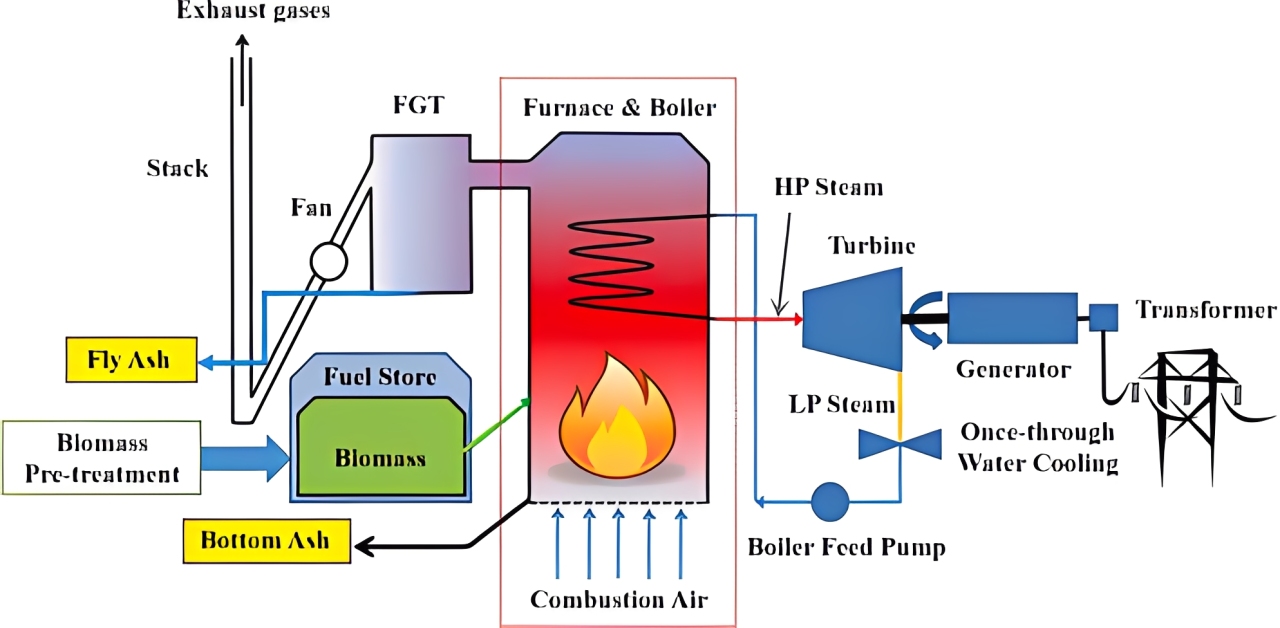
Recycling of Biomass Combustion Residues as Construction Materials
HKUST researchers have shown that recycling biomass combustion residues (ash from burning plant and animal matter) into construction materials offers a sustainable solution for waste management and building. These residues can be used as cement substitutes, fillers, and aggregates, with studies confirming their strength, durability, and thermal insulation.
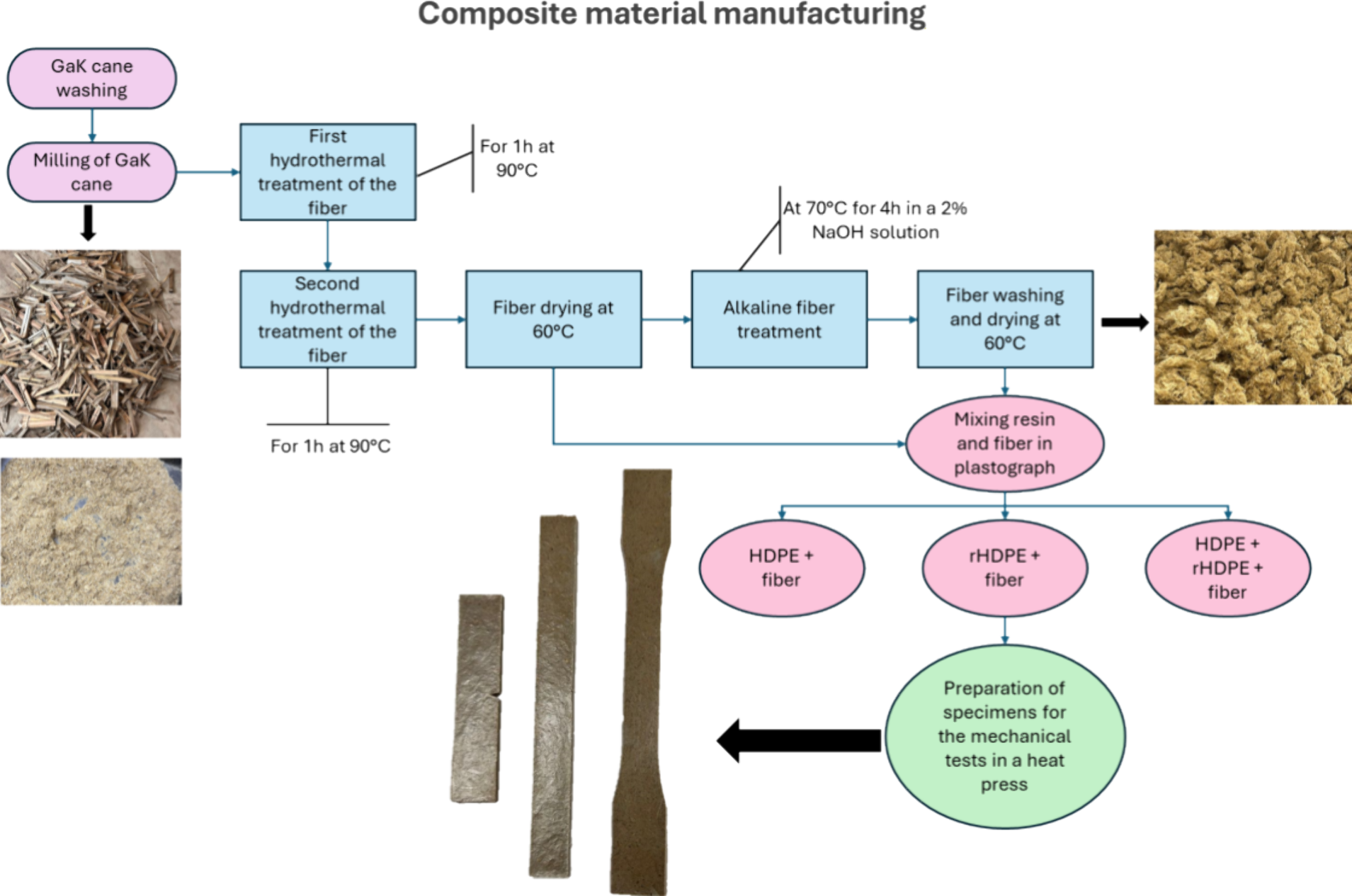
Revaluation of Guadua Fiber for the Sustainable Production of Recycled Thermoplastic Composites
HKUST researchers explored using treated Guadua bamboo fiber and recycled plastic to create stronger composites. The best mix—10% bamboo fiber, 50% new plastic, and 40% recycled plastic—doubled the material's stiffness compared to pure plastic. A life-cycle assessment showed this approach significantly lowers environmental impact.
Policy
Guidelines for Green Office Operations
The operation of department and staff offices must abide to HKUST Sustainability Guideline which outlines the required involvement of each department in the Sustainability Network to ensure smooth adoption. All equipment and appliances such as photocopiers, printers, dispensers and air conditioners on campus are EMSD Level 1 performance level or at least ENERGY STAR-recognized to ensure most energy efficiency. The HKUST Purchasing Office (PURO) recently renewed the operational Guidelines on Sustainable Purchasing showing its commitment to stricter authorization of office purchase requests by “greening” the campus’ supply chain.
DGuidelines for Hazardous Waste Disposal
All departments operating under HKUST must comply with regulations relating to the appropriate disposal of hazardous waste—from its identification to the specific procedures outlined by the HKUST Health, Safety and Environment Office (HSEO). These measures are in place to ensure sustainable and responsible consumption and waste management.
Guidelines for Sustainable Procurement
Net-Zero Carbon Consideration for Capital Projects prioritize the use of locally-sourced, recycled and overall low-carbon options through the targeting of green building certification such as BEAM + and LEED. Additionally, HKUST preferentially selects suppliers with ISO14001 environmental management certification or equivalent as well as requirements for them to disclose Environmental, Social and Governance (ESG) data including carbon footprint, resources consumption, fair labor practice etc.
All purchase requests made by suppliers and contractors must comply with the HKUST Sustainable Purchasing Requirements for Suppliers and Contractors, including adherence to the Green Procurement Checklist, to ensure the lowest environmental impact and the highest usable product lifespan in the long run.
Minimising Plastic Use
The ban of single-use bottled water on campus since 2018 removed the sale of single-use plastic bottled water of 1 Liter or less. Offices and departments are encouraged to eliminate disposable bottles at meetings and events, opting for reusable alternatives. By promoting sustainable options, HKUST seeks to reduce plastic waste and promote a culture of environmental responsibility.
Municipal Solid waste Charging Scheme
Despite the Hong Kong Government's announcement to defer the implementation of the Municipal Solid Waste (MSW) Charging scheme, which aims to achieve waste disposal reduction through behavioral changes, HKUST proceeded with the scheme to share waste management costs based on the "Polluter Pays" principle. Starting from April 1, 2024, the scheme was introduced across 107 offices on the main and LSK campuses, 800 laboratories spanning 34 departments, and 13 student halls. Additional fees will apply for extra requests for plastic bags and bulk disposal of landfill waste. To prevent unauthorized dumping, most indoor and outdoor trash bins have been removed.
Single Use Plastic Removal
On April 22, 2024, Hong Kong implemented the first phase of the Regulation on Disposable Plastic Products. This proactive measure aims to mitigate the detrimental impact of single-use plastics on the environment and encourages individuals and businesses to adopt more sustainable alternatives. To comply with this regulation, the University has banned single-use plastic items, including utensils, plates, and straws for both dine-in and takeaway meals from 19 catering outlets. At this stage, only dine-in meals will be banned from using single-use plastic containers, cups, and their lids. Additionally, toiletries in the Conference Lodge, such as toothbrushes, sanitary bags, vanity kits, sewing kits, and combs, now utilize bamboo-based and paper-based materials.
Collaboration
HKUST and HKRITA Partner to Advance Sustainable Fashion Through Staff Volunteering
HKUST partnered with HKRITA's Open Lab for a staff volunteering activity supporting sustainable fashion. Volunteers toured the facility, learned about the textile lifecycle, and assisted in cutting and trimming obsolete uniforms for recycling through the Green Machine. This initiative promotes circular economy principles by reducing textile waste and encouraging responsible consumption. It directly supports SDG 12 (Responsible Consumption and Production) by advancing sustainable practices in the fashion industry
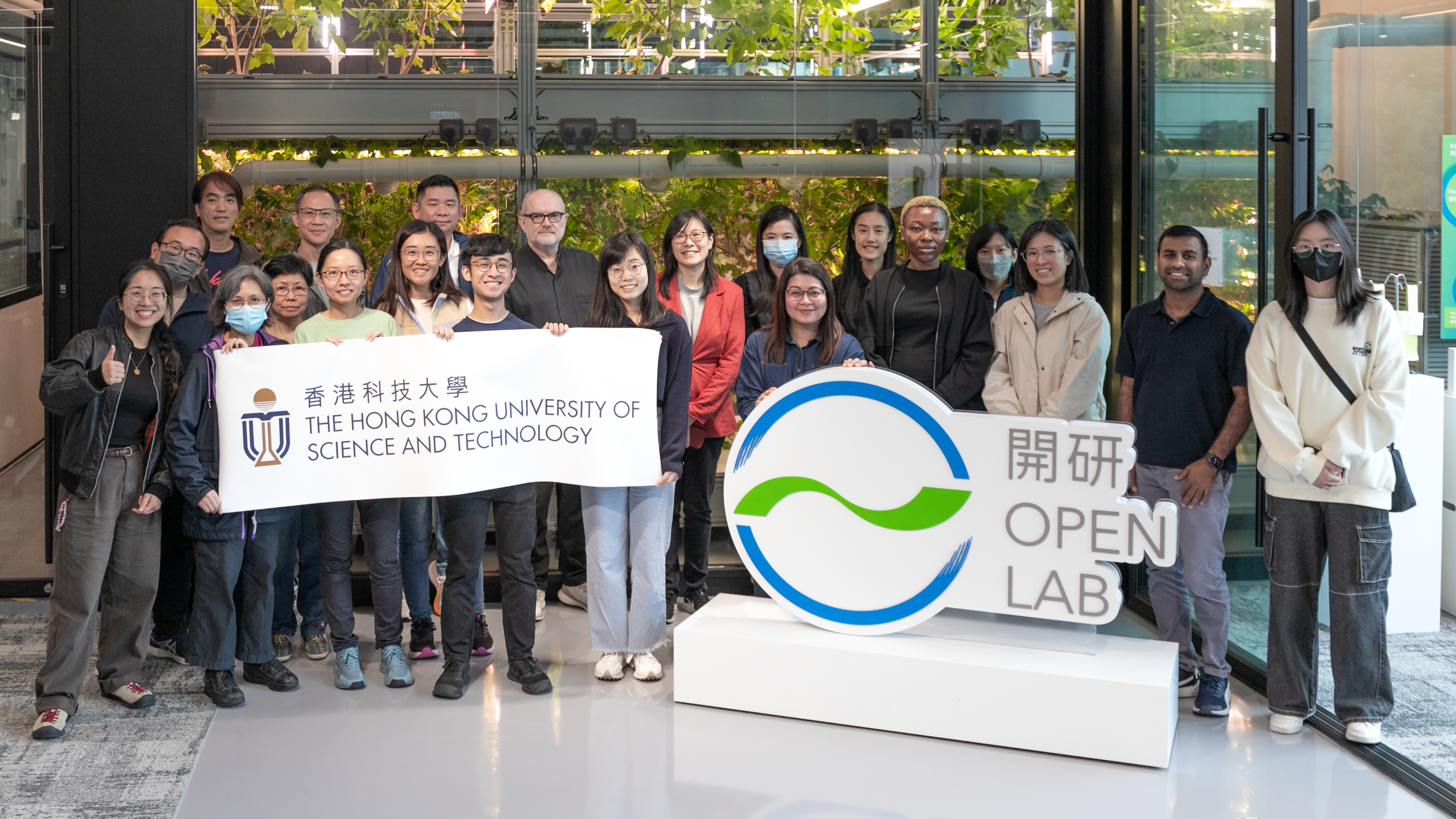
HKUST recently partnered with HKRITA's Open Lab to facilitate a meaningful staff volunteering opportunity through our Impact Makers Program, aimed at supporting sustainable development within the textile and fashion industry.
HKUST & Esquel Launch Student Research for Sustainable Manufacturing
HKUST has partnered with Esquel Group on a five-year program where students conduct field research at Integral, a UN-recognized sustainable development garden in Guilin. Students assess environmental impact and biodiversity conservation in the textile industry, gaining hands-on experience in sustainable practices. This initiative directly advances SDG 12 (Responsible Consumption and Production) by promoting resource efficiency and circular economy principles in manufacturing.
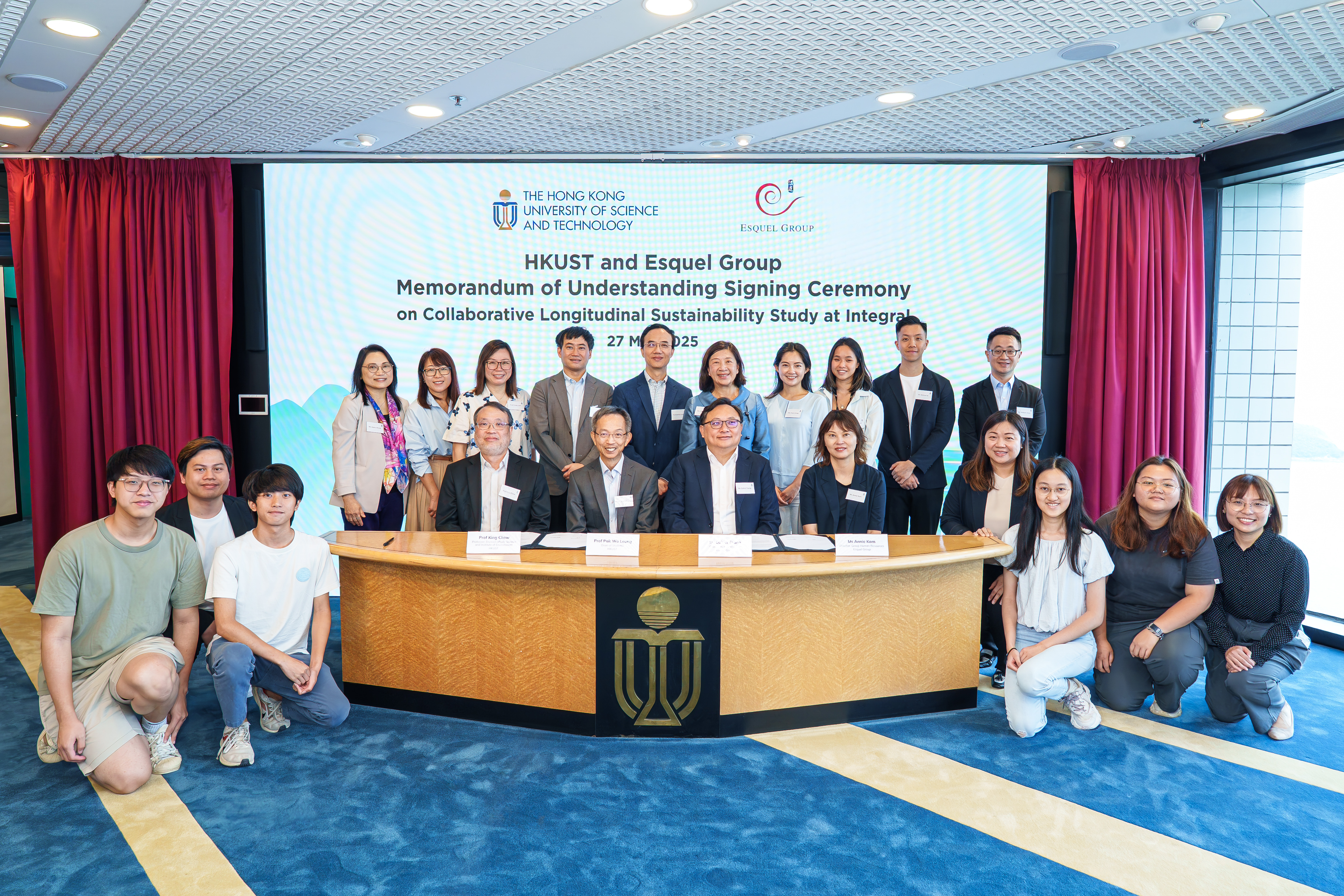
HKUST & Esquel Launch Student Research for Sustainable Manufacturing
Community Engagement
HKUST's Drop and Adopt Campaign Keeps Preloved Items Out of Landfills
HKUST's Drop and Adopt campaign tackles waste surges during semester transitions by collecting and redistributing preloved items from student halls. The pilot run in Fall 2024 diverted over 200 kg of items from landfills, with bedding and blankets washed and sold at nominal cost to incoming exchange students. This initiative directly supports SDG 12 (Responsible Consumption and Production) by reducing waste, promoting reuse, and encouraging responsible consumption within the campus community.
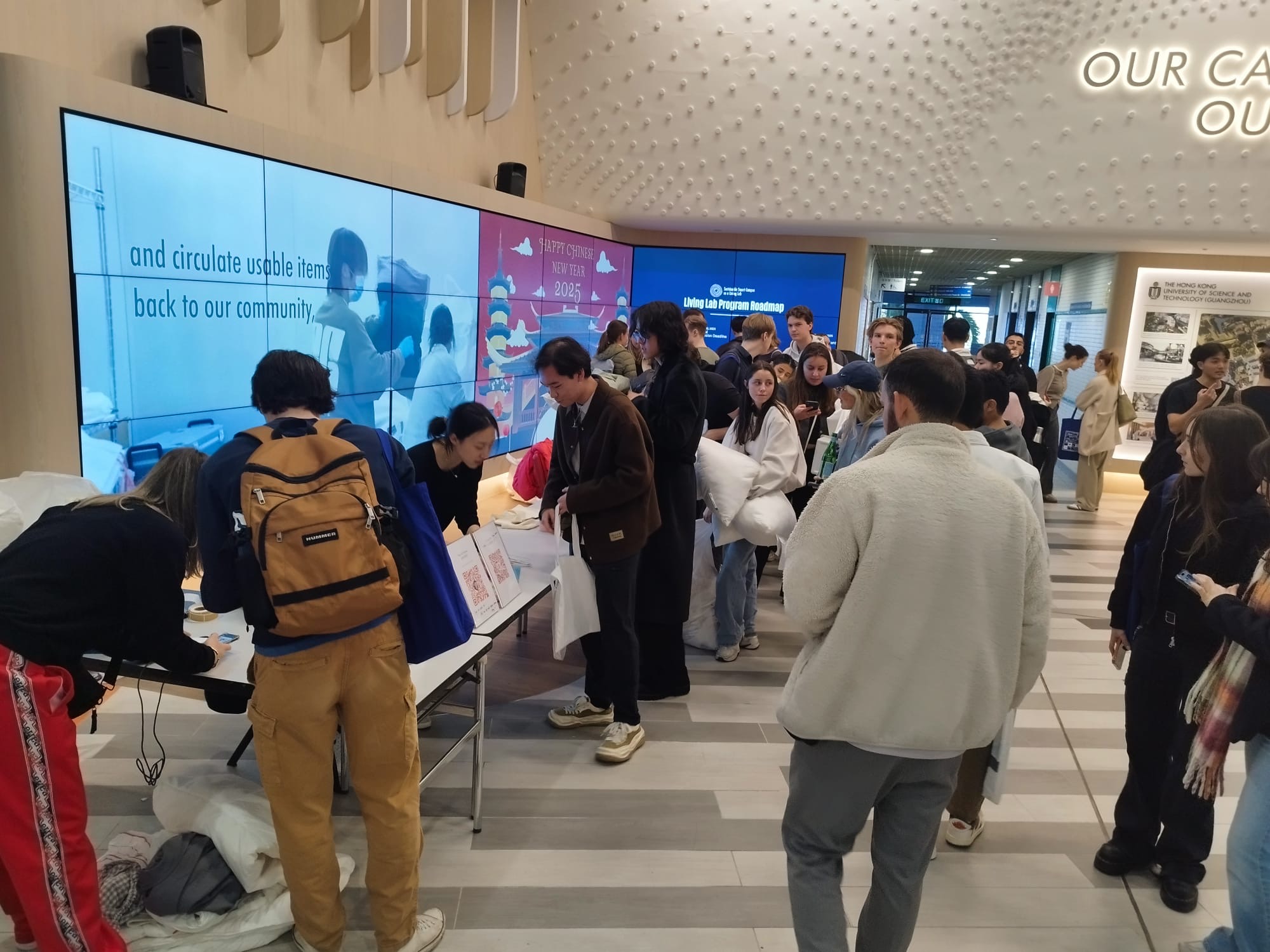
Drop and Adopt - Fall 2024
Stitch Together Program 2024-2025
HKUST Connect partnered with INNOTIER for the Stitch Together Program, where students upcycled used antimicrobial fabrics into practical items—sanitary hand pockets for the elderly and water bottle covers for street cleaners. Participants attended design workshops, sewing training, and mass production sessions, before distributing the final products to recipients in need. This initiative reduces textile waste and promotes sustainable consumption.
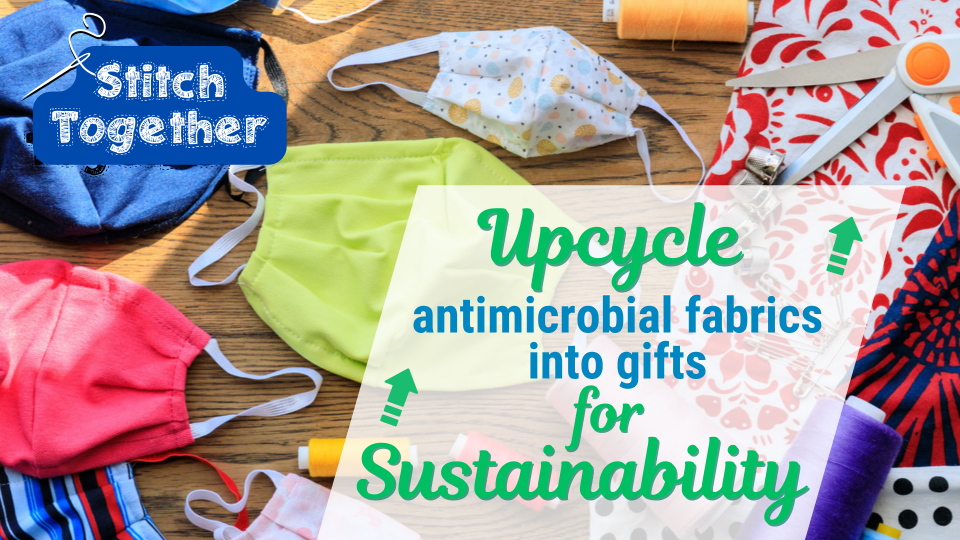
Stitch Together - October, 2024 until May, 2025
Garage Sale 24/25
In the 2024/25 academic year, the long-standing annual Garage Sale and Market returned to the HKUST campus on 26 October 2024. The event featured over 100 tables of second-hand sellers, NGOs, and eco-friendly product vendors, with hundreds of community members participating. With the theme of "Zero Waste," the event encouraged the sale and reuse of second-hand items to prevent them from ending up in landfills, supporting HKUST's 2028 Sustainability Challenge of reducing 75% of waste. The event promoted sustainable consumption and community engagement through the recirculation of pre-loved items.
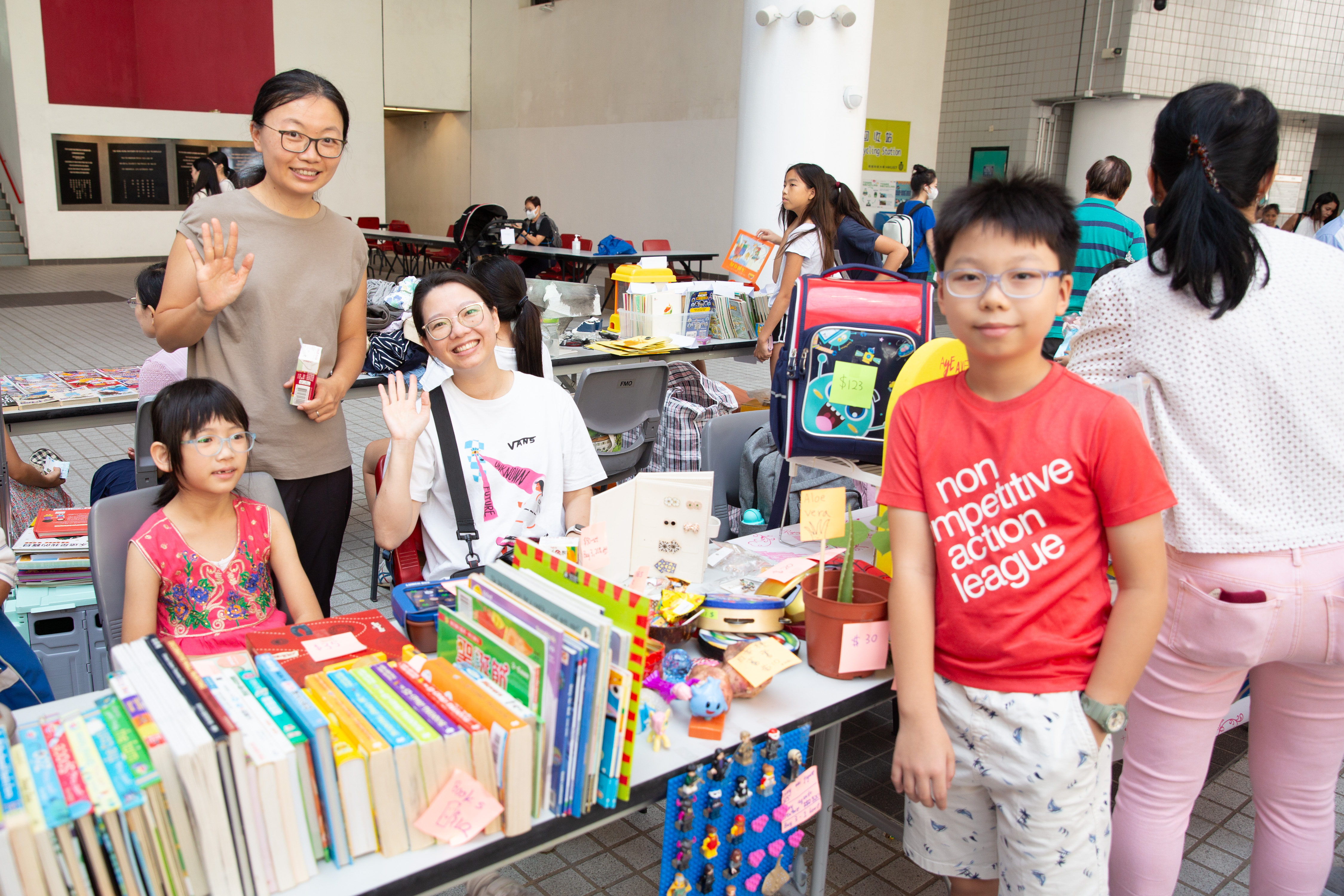
Community-Wide Garage Sale - October 26, 2024
Operation
Waste Generation and Recycling Overview
The 2024/25 year saw a 2.4% increase in landfill waste compared to the previous year, attributed to the increase in the University's population. Despite this increase, landfill waste generation remains 46% lower than the baseline year (2014) . The total amount of waste diverted from the landfill showed a 3.6% increase compared to 2023/24, and an 892.9% increase compared to the baseline. There was a 4.9% reduction in waste generated per capita. The University's food waste recycling displayed the largest increase among recyclables, corresponding to a 22.9% increase from the previous year.
The University has been recycling 15 types of recyclables including, but not limited to paper, metal, plastic, glass, food, animal bedding, landscape, wood, and electrical appliances. HKUST is ambitiously working towards meeting the HKUST 2028 Sustainability Target of diverting 75% of waste from the landfill.
Black Soldier Fly Food Waste Upcycling
The Black Soldier Fly Bin (BBOX) living lab project processed 2,565 kilograms of food waste from February to May 2025, transforming it into nutrient-rich organic fertilizer. The project reduced carbon emissions by 3,962 kgCO2-e and produced fertilizer used in the campus butterfly garden.
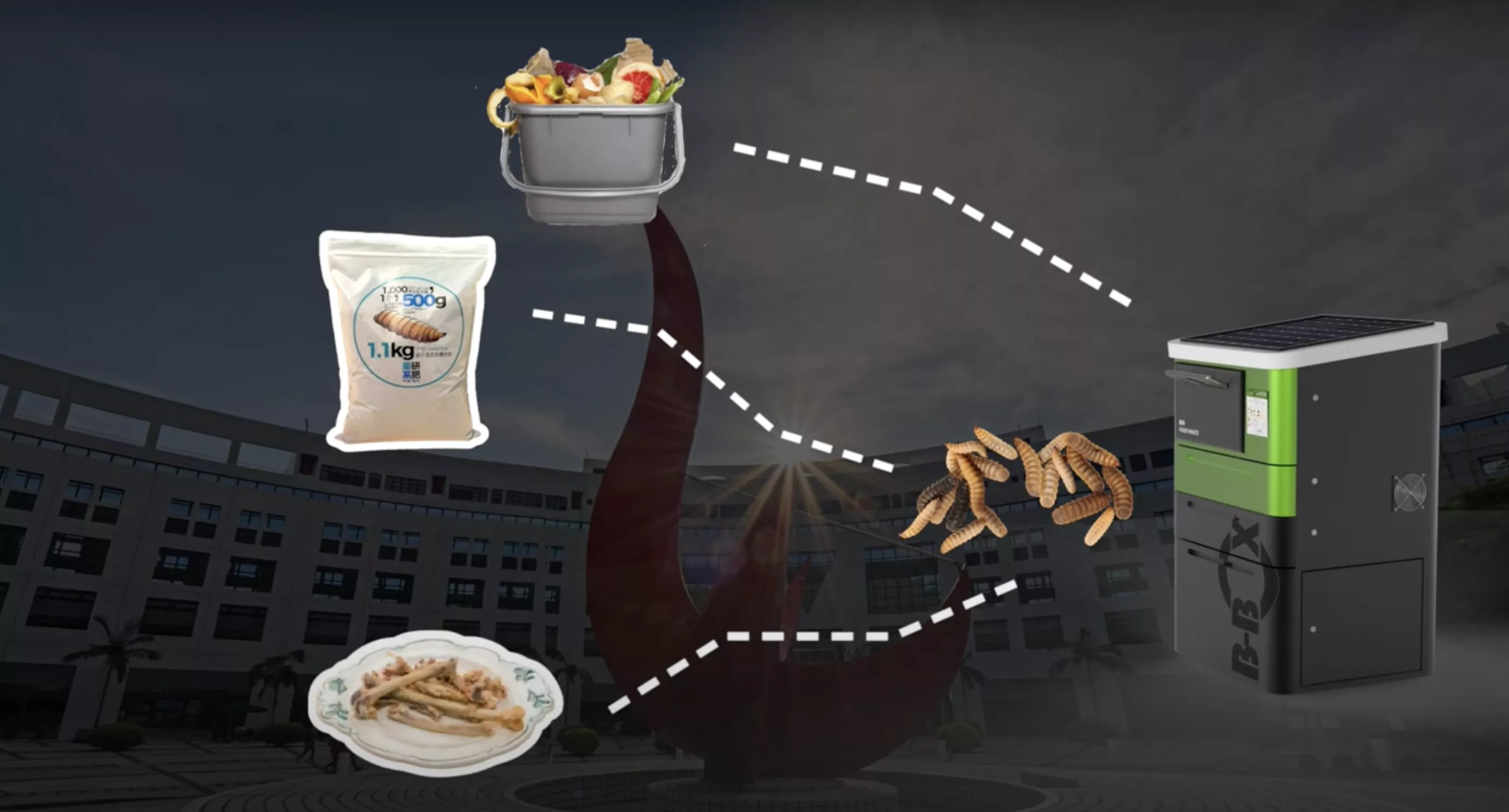
The Black Soldier Fly (BSF) Bins are a carbon-negative food waste consumption system at HKUST. The project is an innovative and large-scale solution to minimize carbon emissions from food waste disposal in landfills or incinerators. By utilizing black soldier fly larvae, the BSF Bins convert both cooked and uncooked campus waste into organic fertilizer. The larvae have a feeding stage lasting 20-30 days, during which they consume various organic materials, i.e. food waste. The organic fertilizer produced will be used for landscaping and gardening purposes. Each bin can process up to 50kg of food waste per day. By October 2025, the project aims to reduce around 27.1 tonnes of food waste which is equivalent to approximately 27+ tCO2e. Additionally, the BSF Bins will generate 3-4 tonnes of organic fertilizer, offsetting the need for approximately 300kg of chemical fertilizers on campus, achieving efficient waste reduction on campus.
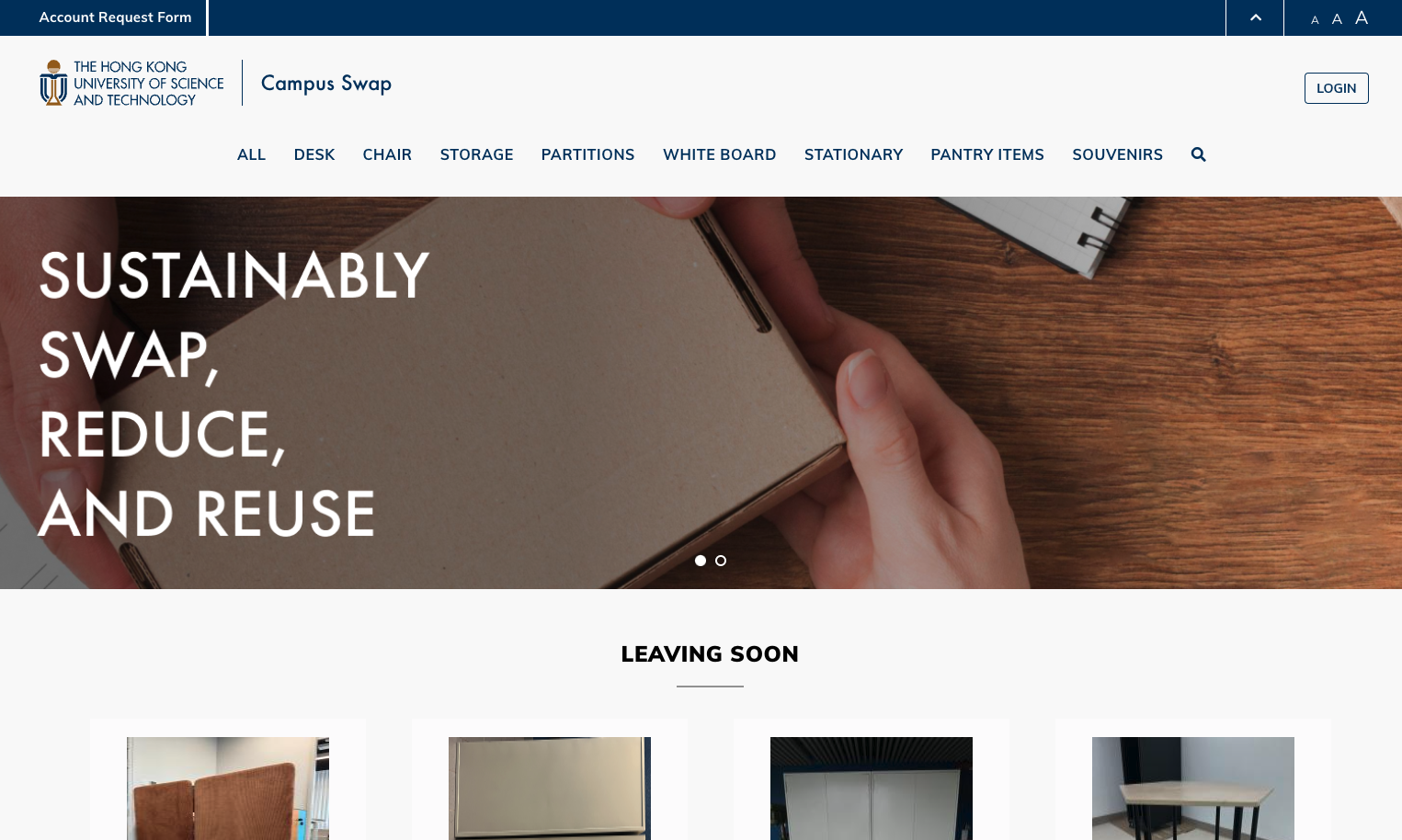
Campus Swap: Unlocking Sustainable Solutions in Furniture Management
HKUST has launched Campus Swap, a platform for exchanging second-hand office furniture among departments, addressing the fact that approximately 20% of campus waste comes from construction and renovation. The platform reduces landfill waste, cuts costs, and promotes circular economy principles by giving furniture a second life.
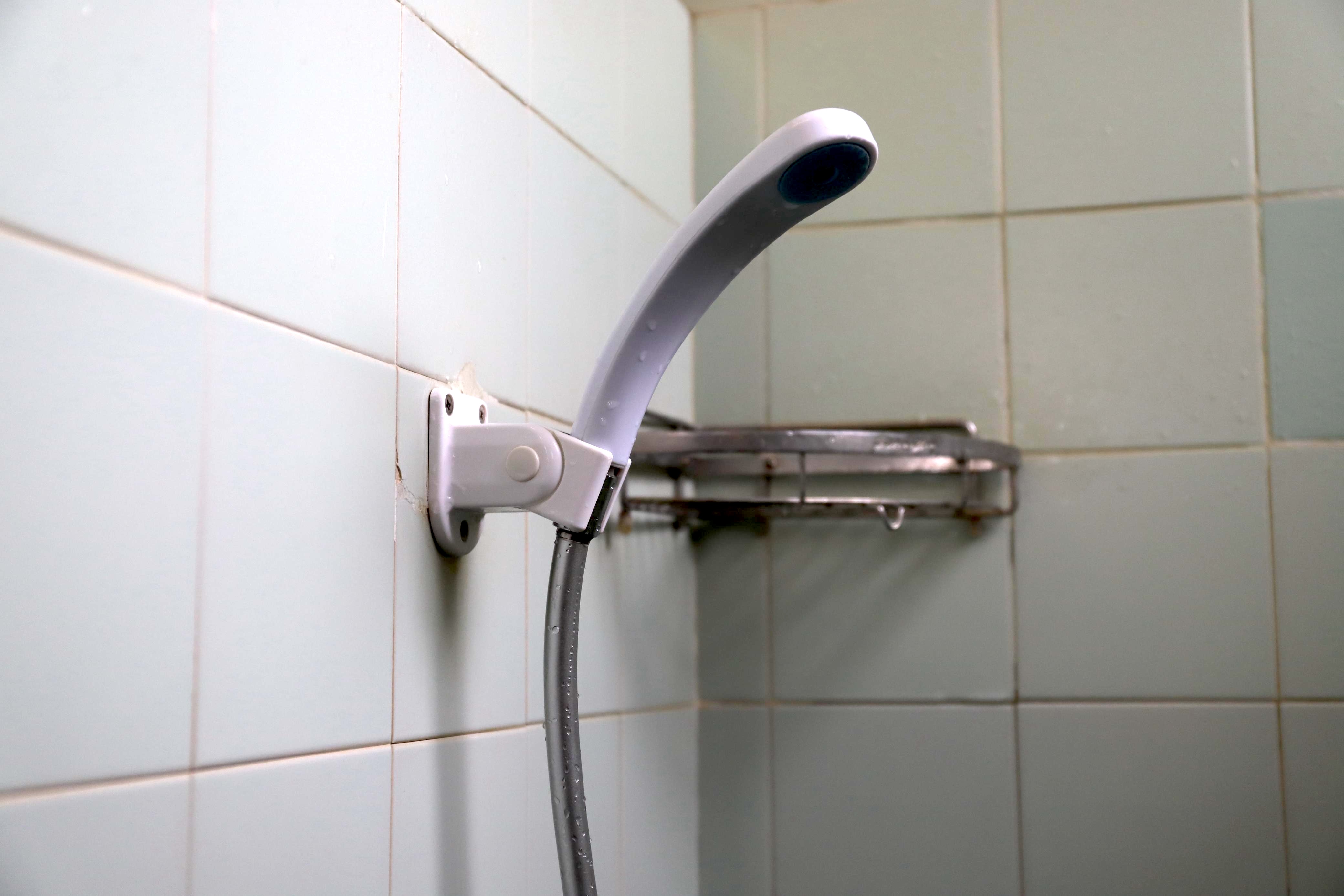
Showering Smarter: HKUST's Initiative for Water Conservation
HKUST has installed 110 water-efficient showerheads across student halls, achieving a 23% reduction in quarterly water consumption. An additional 85 smart showerheads with LED lights change color every 10 liters and turn red after 30 liters to encourage shorter showers—early data shows average shower time decreased by about five minutes.
Water Leakage Detection System
HKUST launched a water leakage detection project using acoustic technology and leakage noise identifiers to pinpoint pipe leaks. Data is displayed on a campus map dashboard, enabling quick identification and repair of leaks to support the University's goal of keeping water consumption below 500,000 cubic meters annually.
For more information on HKUST Operations related to SDG 12, see the HKUST Sustainability Report 2024-2025 here.