SDG 13: Climate action
To combat climate change and its impacts, HKUST recognizes the urgent need to mitigate greenhouse gas emissions, adapt to changing climate patterns, and build resilience. Under HKUST’s 2028 Sustainability Challenge we set out the operational strategies and tactics to reduce our greenhouse gas emissions with the goal of reaching net-zero emissions by 2050. We also recognize that the solutions we need to reach this ambitious goal may be in the early stages of development and are committed to funding and supporting innovative climate action research.
Curriculum
Common Core Program
The Common Core Program requirements are mandatory for all undergraduate students, ensuring every graduate has the opportunity to engage with sustainability. For the 2024-25 academic year, over 20 Common Core courses are directly related to Sustainability and the SDGs, making sustainability education an integral part of the foundational curriculum for all students.
Extended Major in Sustainability
For students seeking deeper engagement, the Extended Major in Sustainability is available in combination with Science, Engineering, Business, Humanities and Social Science, and most Academy of Interdisciplinary Studies majors. In 2024-2025, it offers 55 courses covering a range of SDG topics, providing an interdisciplinary pathway for students across disciplines.
Other Relevant Programs
Additional specialized degree programs further integrate SDGs into the curriculum, including the BSc in Environmental Management and Technology (EVMT) , the BSc in Sustainable and Green Finance (SGFN) , and the BSc in Ocean Science and Technology (OST). These multi-disciplinary programs equip students with the knowledge and skills needed to address specific sustainability challenges.
For more details on the integration of SDGs across the HKUST curriculum, please click here.
HKUST offers courses such as:
SUST 1030 – Climate Change and Sustainability: An Interdisciplinary Perspective: Explores climate change through scientific, social, and policy lenses, serving as a core sustainability foundation course.
ENVR 4480 – Climate Modeling and Risk Assessment: Develops technical skills in using global climate models to simulate future climates and assess risks from climate extremes.
CIVL 1180 – Monitoring Changing Climate from Space: Introduces satellite remote sensing principles to observe climate change evidence and analyze environmental data for decision-making.
Research
According to Science Direct, from 2021 to 2025, HKUST published 716 research papers addressing SDG 13.
16.7% of them are in the top 10% cite score and around 71.9% are internationally co-authored.
Research Highlights
HKUST Develops Space-Based Greenhouse Gas Tracker for China's Space Station
HKUST has been commissioned to lead the development of MUSICO, the world's first lightweight, high-resolution payload for simultaneous CO₂ and methane monitoring aboard China's Tiangong Space Station. Smaller than a domestic washing machine, MUSICO can pinpoint emission sources within a 100-meter grid—precise enough to distinguish individual power plants and landfills. The instrument tracks emissions from major sources, enabling real-time carbon monitoring, leak detection, and emission hotspot identification. Launched aboard the Tianzhou-10 cargo spacecraft on May 11, 2026,
MUSICO marks Hong Kong's first scientific payload on the national space station, a historic milestone for the city's aerospace development. The data will support China's dual-carbon goals and be shared across government agencies, the Greater Bay Area, and Belt and Road Initiative economies.
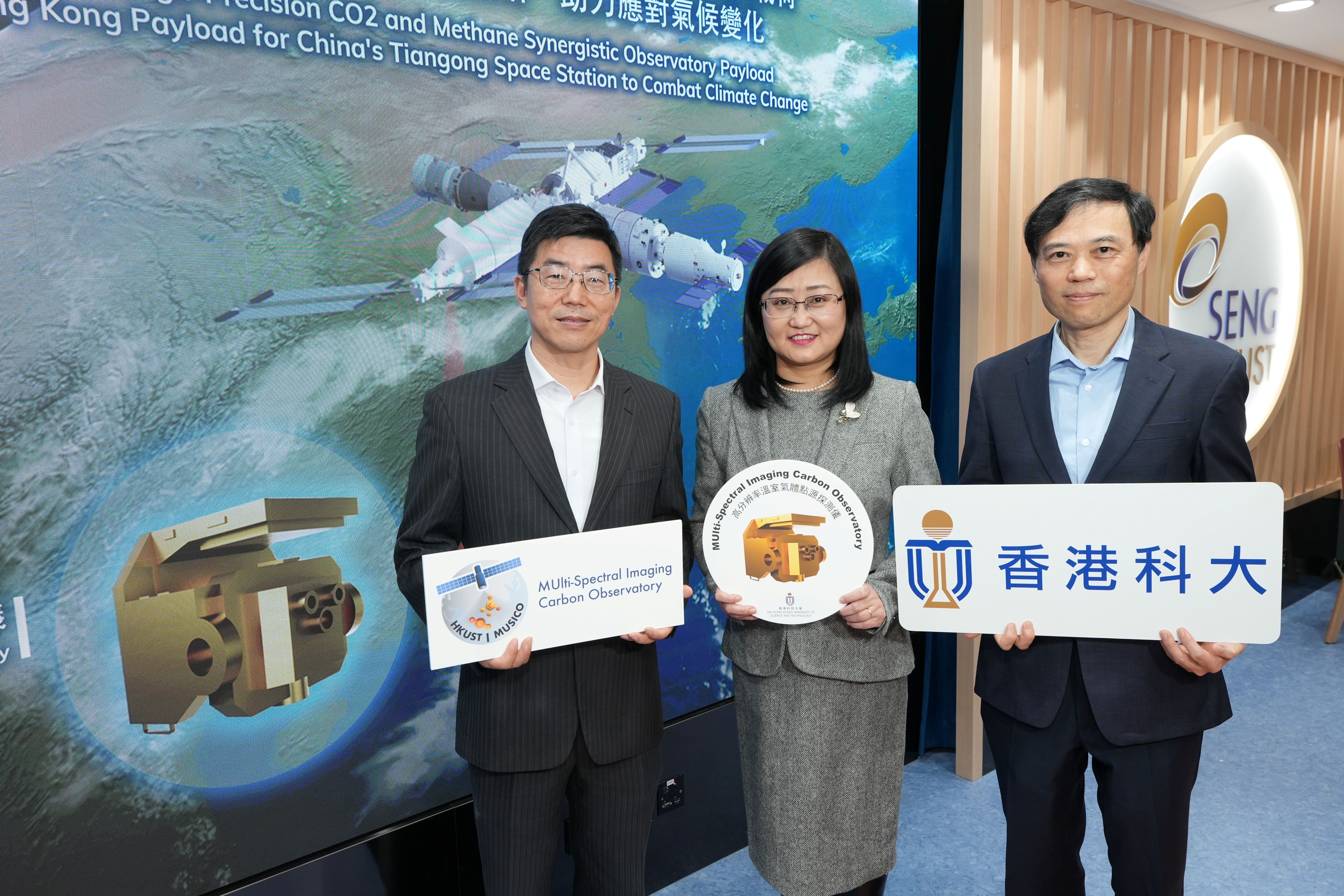
HKUST leads the development of the world's first lightweight, high-resolution high-precision carbon dioxide (CO₂) and methane (CH₄) synergistic observatory payload. The research project is co-led by Prof. SU Hui (center), Chair Professor of the Department of Civil and Environmental Engineering and Global STEM Professor at HKUST, and Prof. ZHANG Limin (left), Chair Professor and Head of the Department. Prof. ZHAI Chengxing (right), the Division of Emerging Interdisciplinary Areas, is the mission system engineer.
HKUST's Green Cooling Device Cuts Emissions and Energy Use
HKUST researchers have developed an eco-friendly cooling device that uses no harmful refrigerants and cuts energy waste. It cooled a test room from 31°C to 22°C in 15 minutes, using a special fluid that transfers heat 50% better than water.
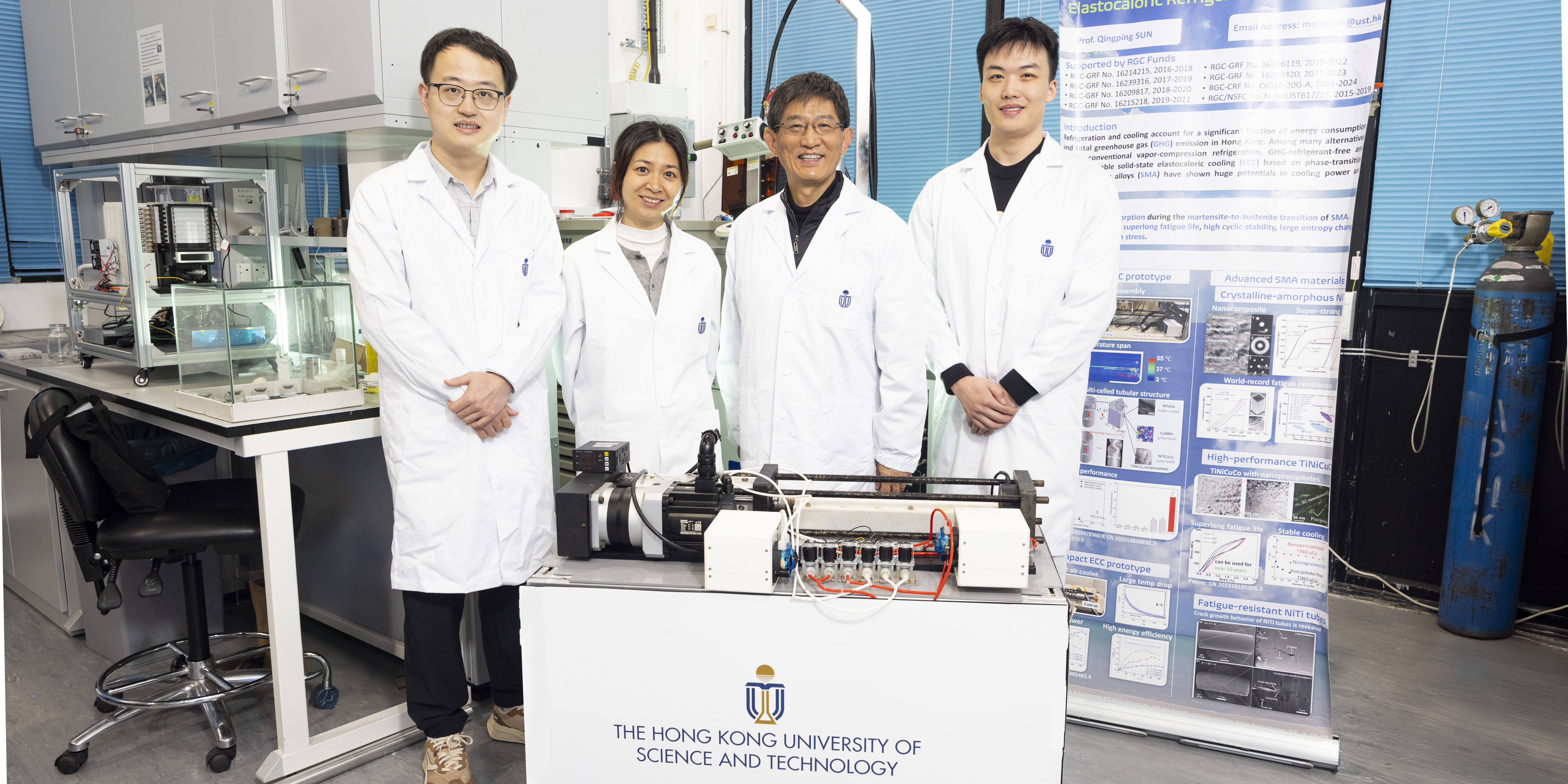
Prof. SUN Qingping (second right) and Prof. YAO Shuhuai (second left), both Professors of the Department of Mechanical and Aerospace Engineering (MAE), MAE Postdoctoral Research Associate Dr. ZHOU Guoan (first left), and MAE PhD student LI Zexi (first right) with the world’s first kilowatt-scale elastocaloric green cooling device they develop.
HKUST Develops Landslide Prediction Model to Support Climate Resilience and Disaster Risk Reduction
HKUST researchers led by Prof. ZHAO Jidong have developed PUA-DEM, a computational model that accurately predicts landslides by simulating interactions among particles, air, and water across all saturation conditions. With climate change intensifying extreme rainfall events and landslide risks, this model enables early warning systems to protect vulnerable communities and infrastructure. The model also supports applications in carbon sequestration, sustainable agriculture, and energy extraction—all critical for climate adaptation and mitigation.
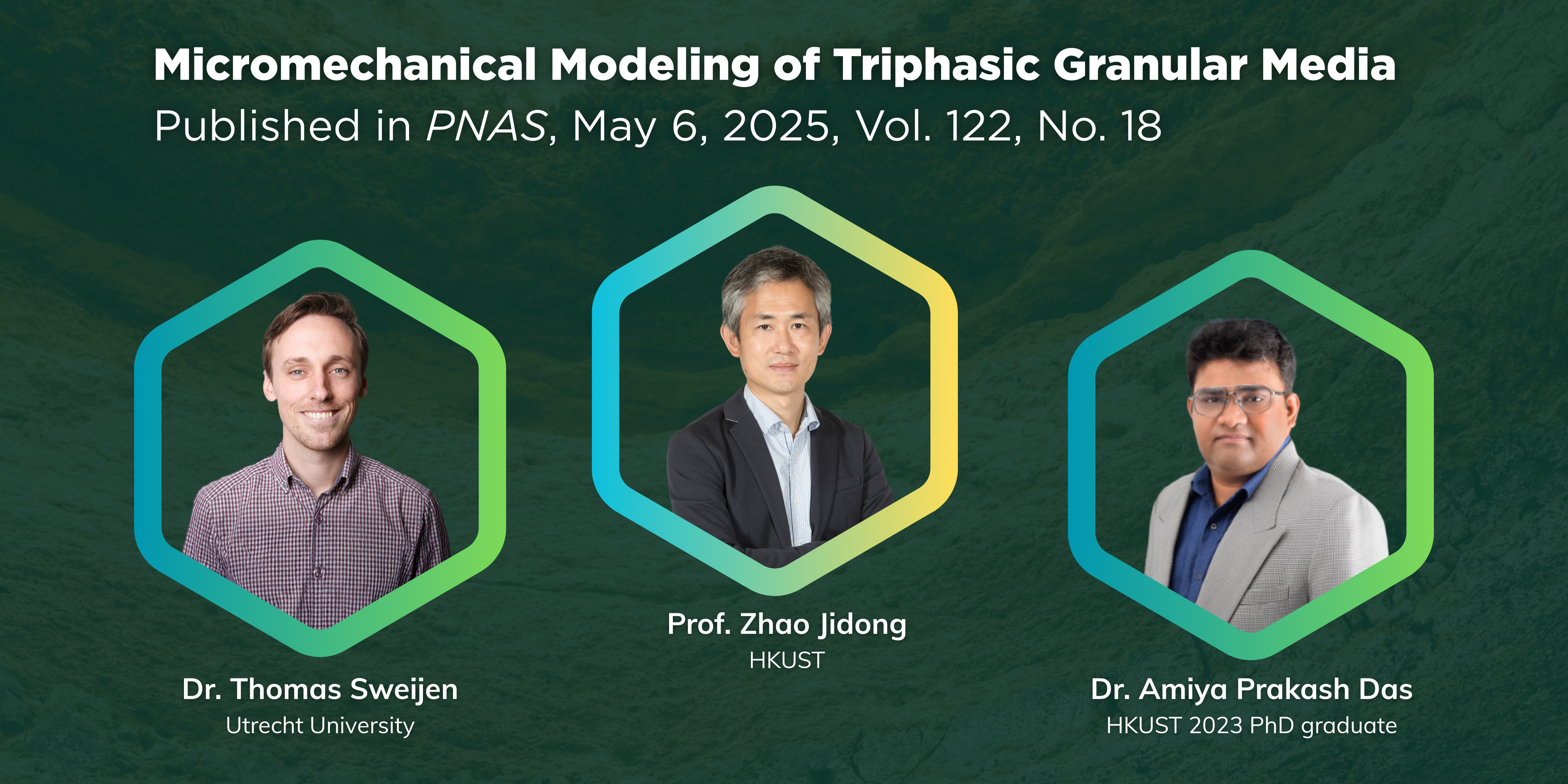
Prof. Zhao Jidong (center) and Dr. Amiya Prakash Das (right) from HKUST, together with Dr. Thomas Sweijen (left) from Utrecht University, have developed a groundbreaking computational model to study the movement of granular materials such as soils, sands and powders
HKUST Pioneers Green Chemistry Breakthrough for Low-Carbon Biomass Conversion
HKUST researchers led by Prof. Dan TSANG have developed a nitrogen-doped carbon-supported copper catalyst that selectively converts biomass into high-value chemicals using only air and water—eliminating the need for costly, hazardous oxidants. This green chemistry innovation enables carbon-neutral synthesis from renewable biomass, offering a sustainable alternative to fossil-fuel-derived chemical production. By advancing low-carbon manufacturing and supporting the transition to a circular bioeconomy, this research directly contributes to SDG 13 (Climate Action) through reducing industrial carbon emissions,
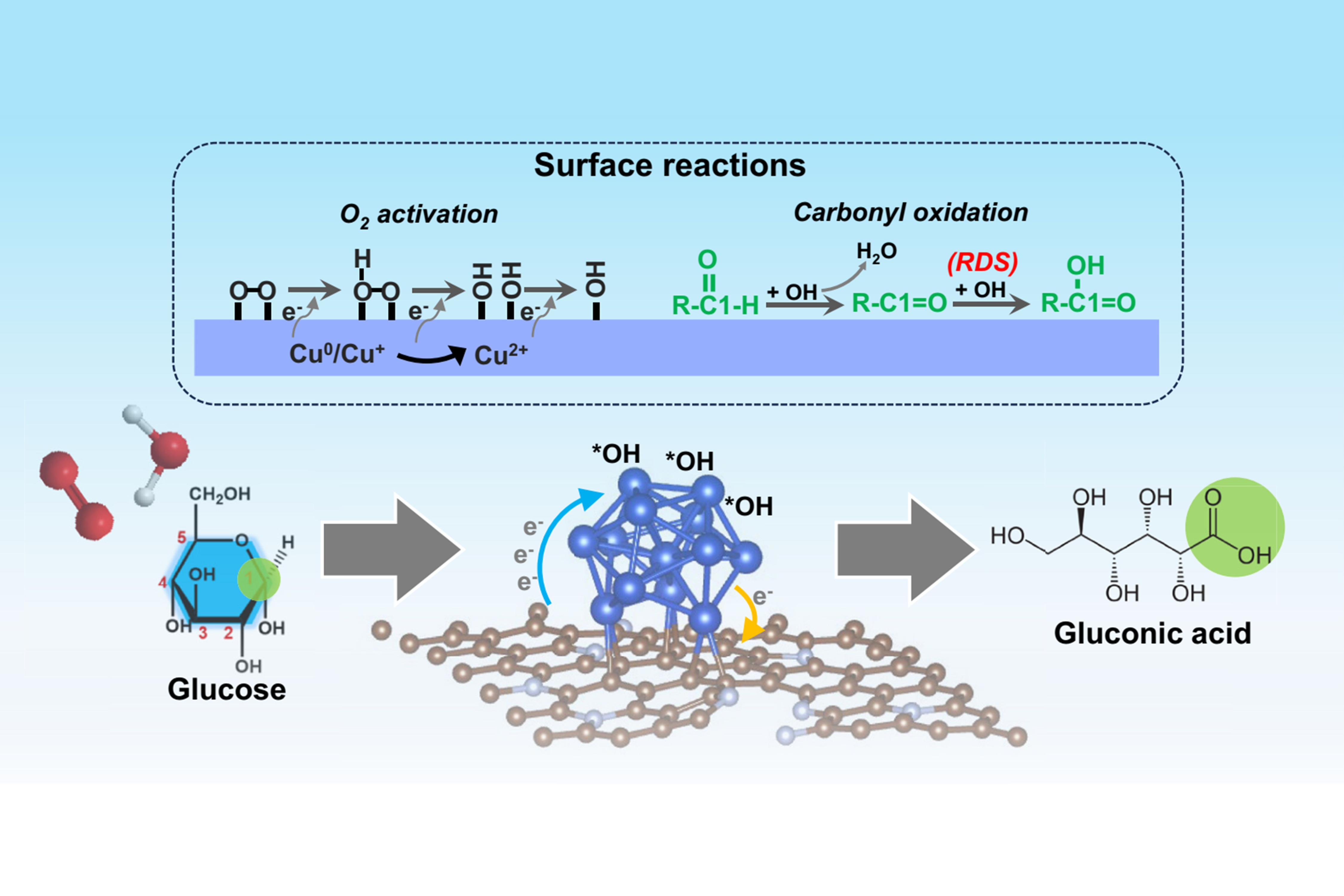
Innovative catalytic mechanism for selective biomass oxidation: The schematic illustrates the in-situ generation of surface-bound hydroxyl radicals on low-valence copper (Cu⁰/Cu⁺) sites, enabling highly selective carbonyl oxidation using only ambient air and water. This green catalytic pathway eliminates the need for traditional oxidants and represents a significant advancement in sustainable biomass conversion.
HKUST's Breakthrough Cloud Study Improves Climate Predictions for Better Resource Planning
HKUST researchers have developed a new method showing that tropical cloud feedback may amplify global warming by 71% more than previously thought, meaning Earth's climate is more sensitive to CO₂ than many models estimated. This breakthrough enables more accurate climate predictions, helping governments and industries make informed decisions on emission reduction strategies and resource efficiency.
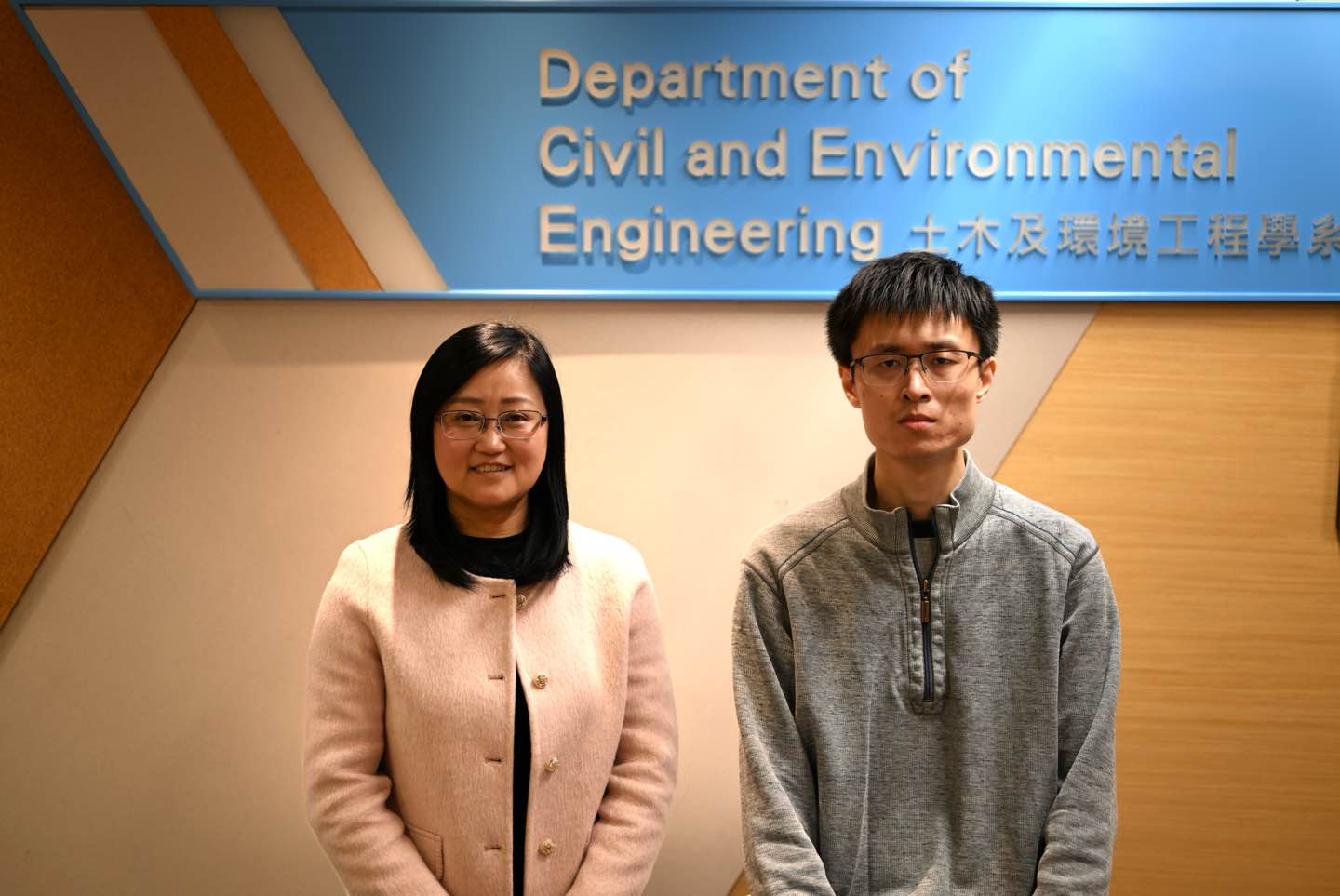
Prof. SU Hui (left) and Prof. WU Mengxi (right), both from the Department of Civil and Environmental Engineering of HKUST, have created a new method that significantly improves accuracy in climate predictions.
HKUST Develops High-Speed Printer for Eco-Friendly Bioelectronics
A research team led by Prof. YANG Zhengbao and Dr. LI Xuemu at HKUST, in collaboration with City University of Hong Kong and École Polytechnique Fédérale de Lausanne, has developed a thermal-electric aerosol printer that accelerates piezoelectric biofilm manufacturing by two orders of magnitude, enabling industrial-scale production of biocompatible and biodegradable electronics. This innovation could enable wireless, biodegradable energy harvesters for medical devices, reducing electronic waste and reliance on non-renewable materials.
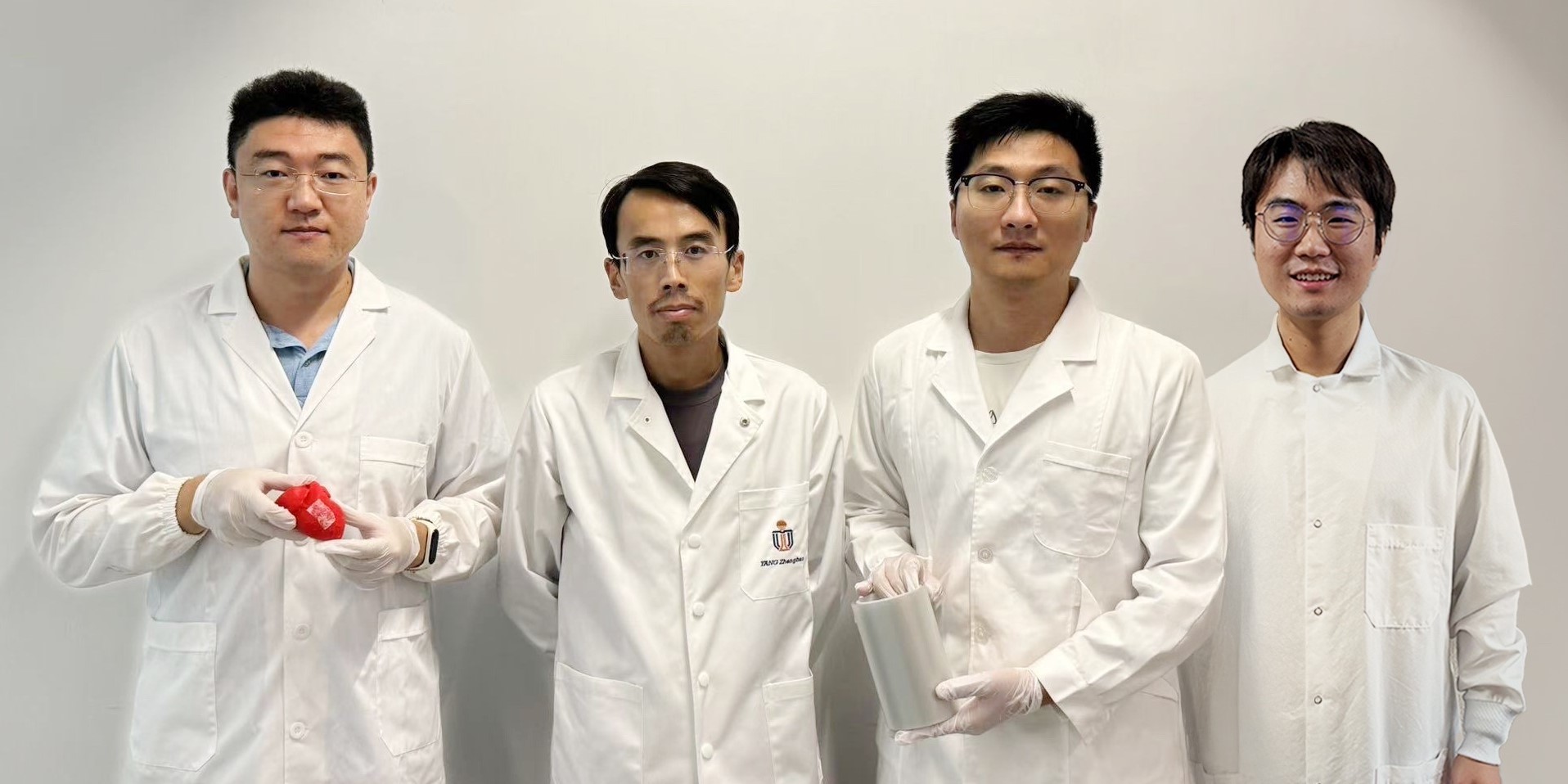
Prof. Yang Zhengbao (second left), Associate Professor at HKUST’s Department of Mechanical and Aerospace Engineering, with the three co-first authors of the study: HKUST postdoctoral fellow Dr. Li Xuemu (second right, holding a roll of printed glycine films), CityU PhD graduate Dr. Zhang Zhuomin (first right), and CityU PhD Student Zheng Yi (first left, with a glycine patch in his hands).
HKUST Smart Traffic System Cuts Congestion and Emissions
A research team led by Prof. Hong K. LO at HKUST has developed DISCO, an AI-powered traffic control system that reduced congestion in Kwun Tong by deploying 80% fewer patrol officers while improving traffic flow. The system uses real-time data analytics and traffic modeling to optimize patrol patterns and signal timing, cutting congestion by 20-30% at various city locations and reducing vehicle idling time. By shortening commuting time and improving road efficiency, this innovation lowers fuel consumption and greenhouse gas emissions. The project received a Gold Award from the Hong Kong Police Force's Service Quality Award Scheme.
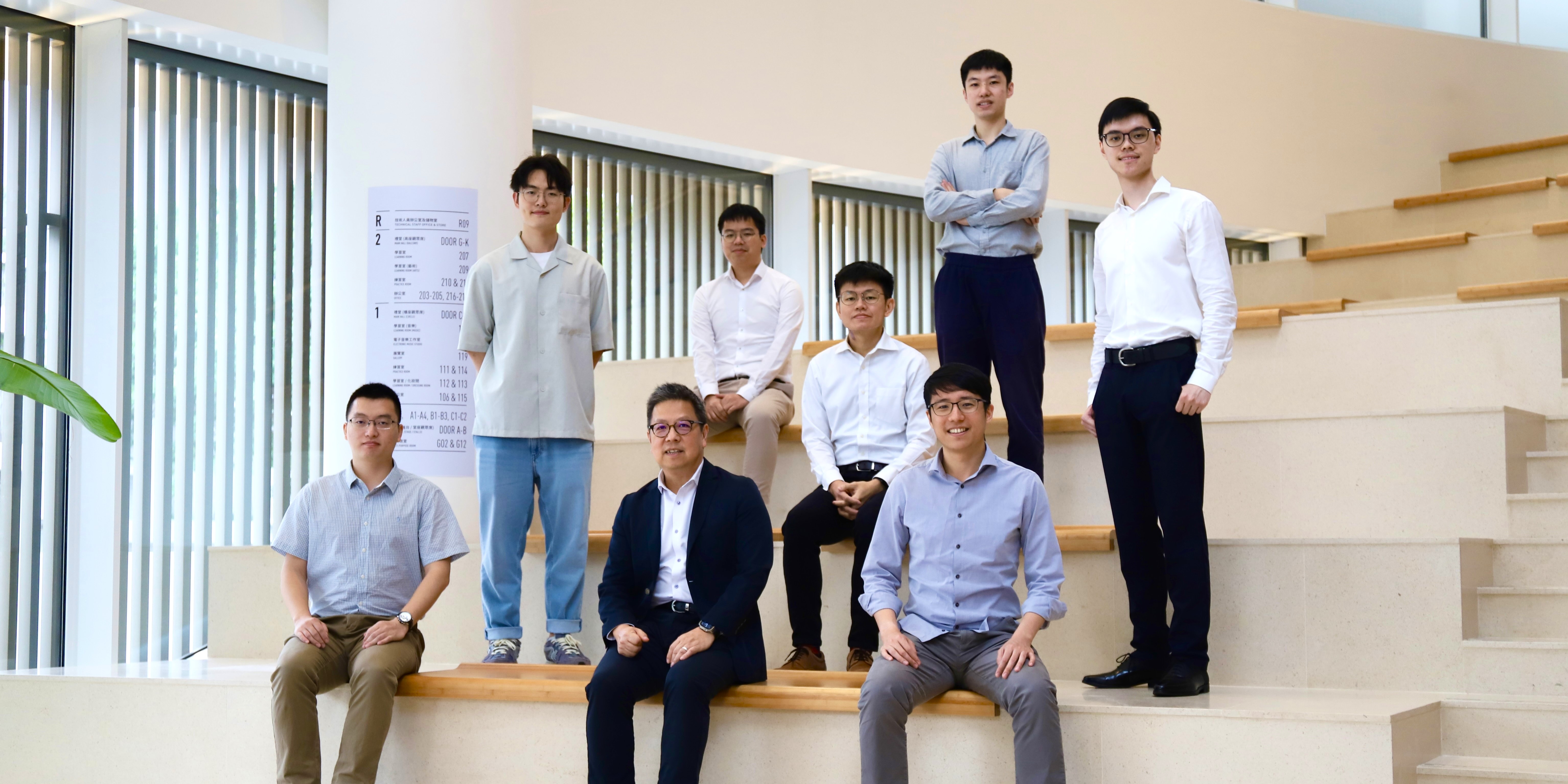
Dean of Engineering Prof. Hong K. Lo (front row, center) and his research team members
HKUST Develops Bioinspired Method for Cellular Ceramics to Advance Clean Energy Technologies
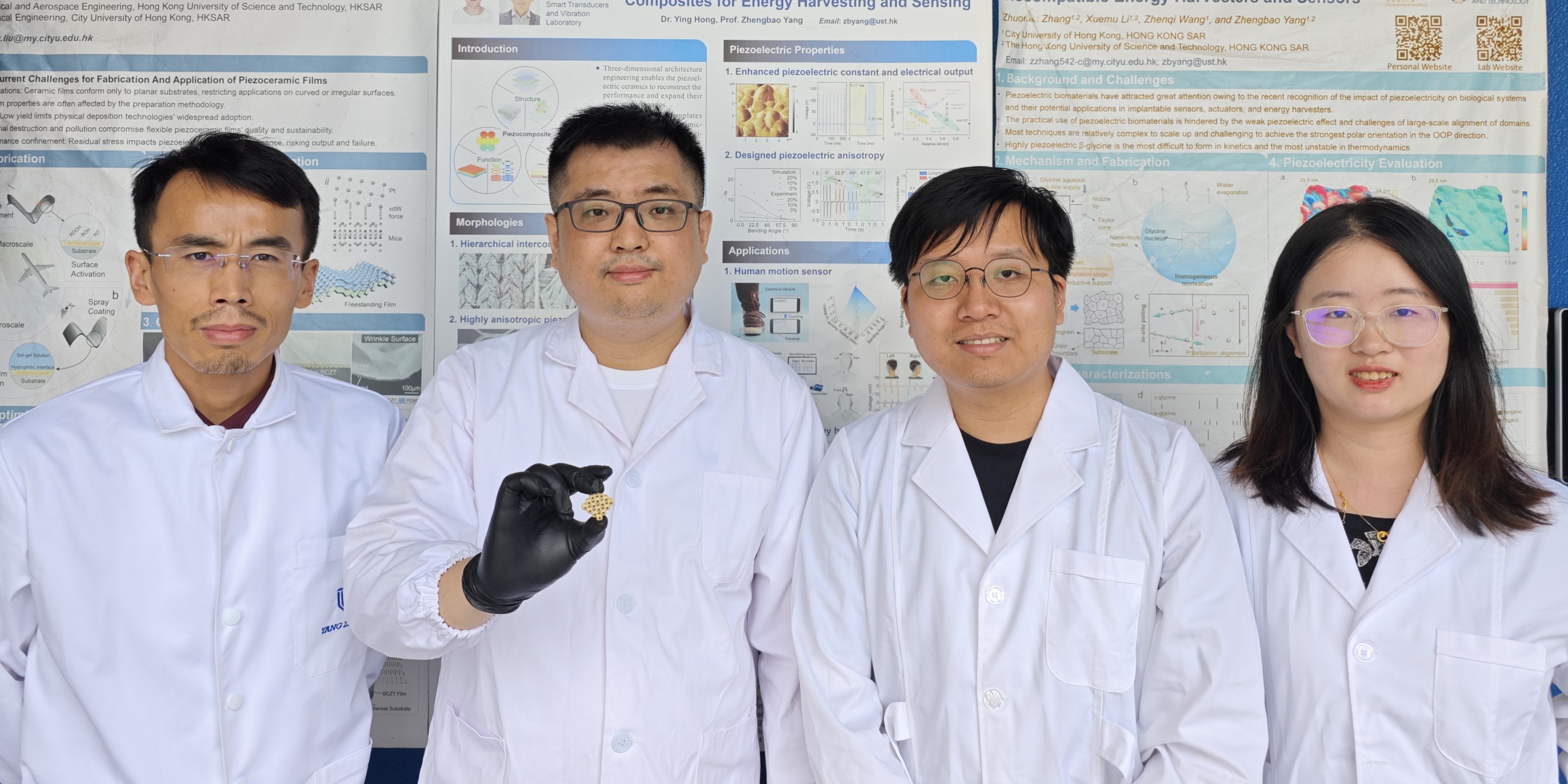
(From left) Prof. Yang Zhengbao, Associate Professor of Mechanical and Aerospace Engineering at HKUST, with his research team members Dr. Hong Ying, Dr. Liu Shiyuan, and Yang Xiaodan
HKUST Molecular Treatment Boosts Solar Cell Efficiency and Durability for Clean Energy
HKUST researchers led by Prof. LIN Yen-Hung have developed a molecular passivation treatment using amino-silane compounds that significantly enhances the efficiency and durability of perovskite solar cells. The treated cells achieved high open-circuit voltages beyond 90% of the thermodynamic limit and maintained over 95% of their initial performance after 1,500 hours of aging—among the best results reported to date. This treatment is compatible with industrial-scale production, making it commercially viable for large-scale clean energy deployment.
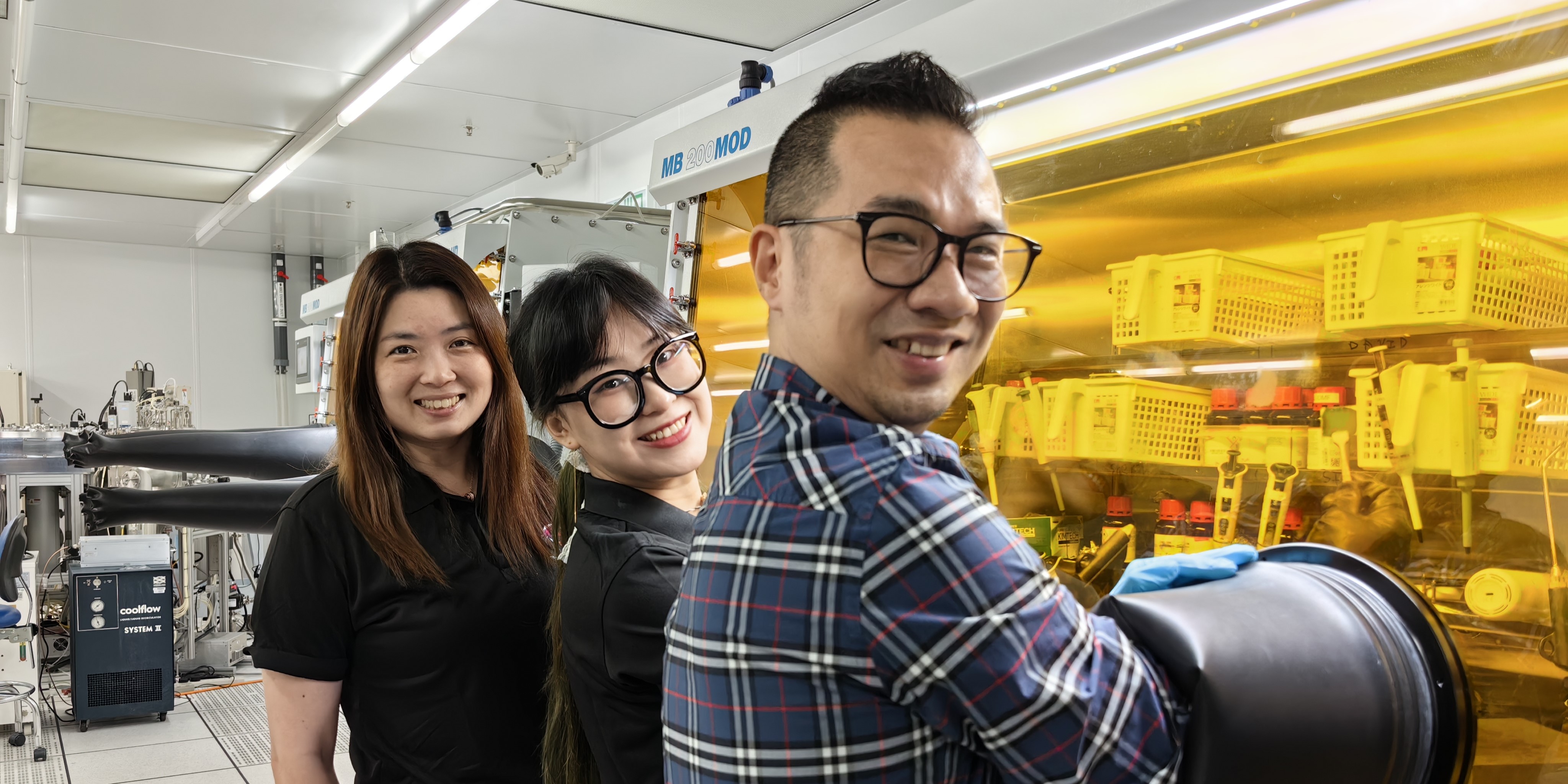
Assistant Professor Lin Yen-Hung of the Department of Electronic and Computer Engineering and the State Key Laboratory of Advanced Displays and Optoelectronics Technologies (right), Electronic and Computer Engineering PhD student Cao Xueli (center), and Senior Manager of the State Key Laboratory of Advanced Displays and Optoelectronics Technologies Dr. Fion Yeung (left)
Policy
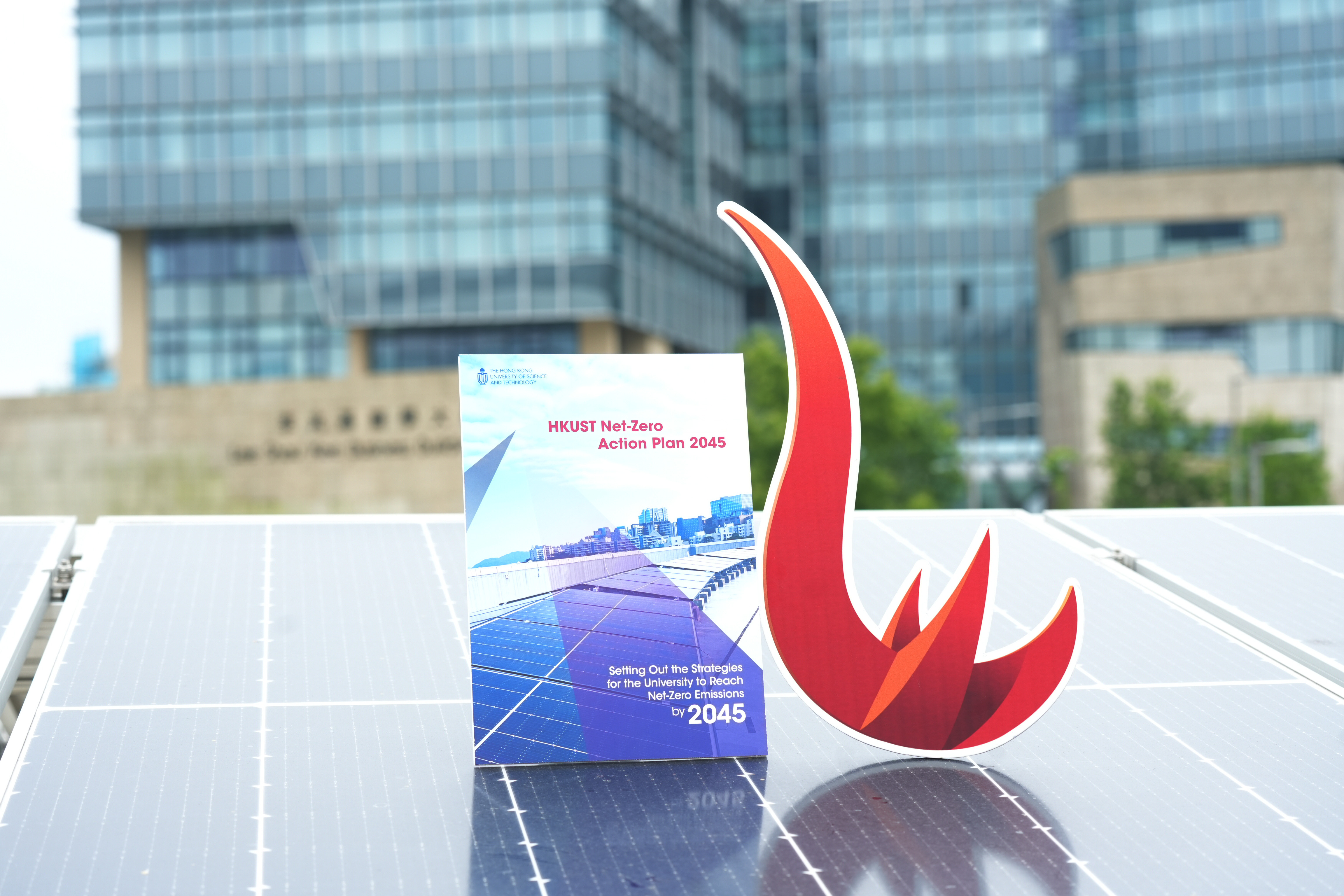
HKUST Net-Zero Action Plan
Following extensive consultations, HKUST's Action Plan is the first comprehensive net-zero blueprint released by a higher education institution in Hong Kong. It sets ambitious targets for greenhouse gas (GHG) reductions, aiming for a 50% decrease by 2035 and full net-zero by 2045. This plan builds upon the university's previous success, having already reduced GHG emissions by 34% since the launch of its first sustainability master plan in 2014.
HKUST Net-Zero Building Standard
HKUST is committed to improving the energy efficiency of its new buildings as well as renovation projects through the implementation of newly updated HKUST Net-Zero Building Standards. The requirements outlined include anticipating future energy needs, maximizing metering and monitoring capabilities while keeping a flexible design to accommodate for future new sustainable technologies.
HKUST ESG Investment Policy
HKUST has also published the ESG Investment Policy, in which the Net-Zero Carbon Investment Strategy is included. It was stated that HKUST will ensure its investment approach is consistent with the scientific
consensus on climate change and the goals of the Paris Agreement, as operationalized by the Science-Based Targets (SBT) initiative. The measurements and concrete strategies are stated as well.
Collaboration
HKUST, CBCGDF, and WAOSD Partner to Establish World Sustainable Development Institute for Climate Action and Biodiversity
HKUST, the China Biodiversity Conservation and Green Development Foundation, and the World Academy of Sustainable Development Limited have signed a collaboration agreement to establish the World Sustainable Development Institute, aiming to tackle climate change and biodiversity challenges through cutting-edge research and technological innovation. The Institute will serve as a global platform uniting academia, industry, and policymakers to develop science-based solutions for complex sustainability issues.
The agreement was signed on 21 September 2024 during the Premiere of Enchanting China at HKUST, with an Eco-Civilization and Sustainable Development Forum held following the ceremony to discuss biodiversity conservation and urban green development.
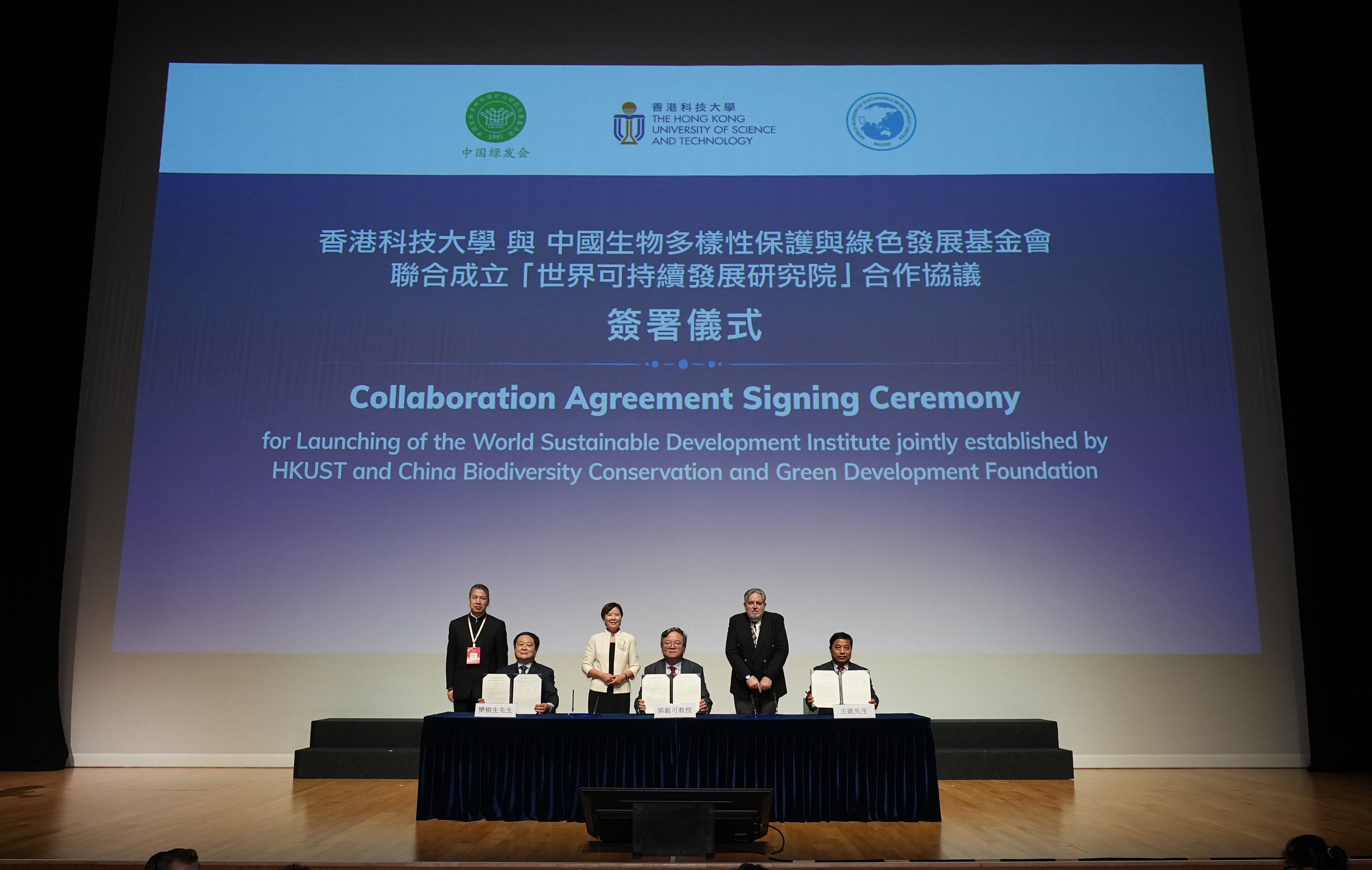
The agreement was signed by Professor Guo Yike, Provost of HKUST; Mr Luan Shusheng,Deputy Secretary General of CBCGDF; Mr. Wang Kai,Director of WAOSD. The signing ceremony was honoured by the presence of Professor Nancy IP, President of HKUST, Dr Zhou jinfeng, Secretary-General of CBCGDF, Dr.Annie Wu Suk-chin, former Vice President of All China Federation of Industry and Commerce, 10th, 11th and 12th Standing Committee Member of CPPCC and Mr. James, A.F. Wadham, President of Ave Fenix Philanthropy Group as witnesses.
HKUST-France Partnership Builds Climate Research Capacity
HKUST has renewed its partnership with the French Consulate General for the third time, deepening eight years of collaboration on climate action and sustainability research. The Anita Conti Sustainable Innovation Fellowship—named after France's pioneering oceanographer—enables HKUST researchers to work on short-term sustainability projects at leading French academic institutions, and now also hosts French PhD students and postdoctoral fellows at HKUST for up to three months to conduct climate-related research.
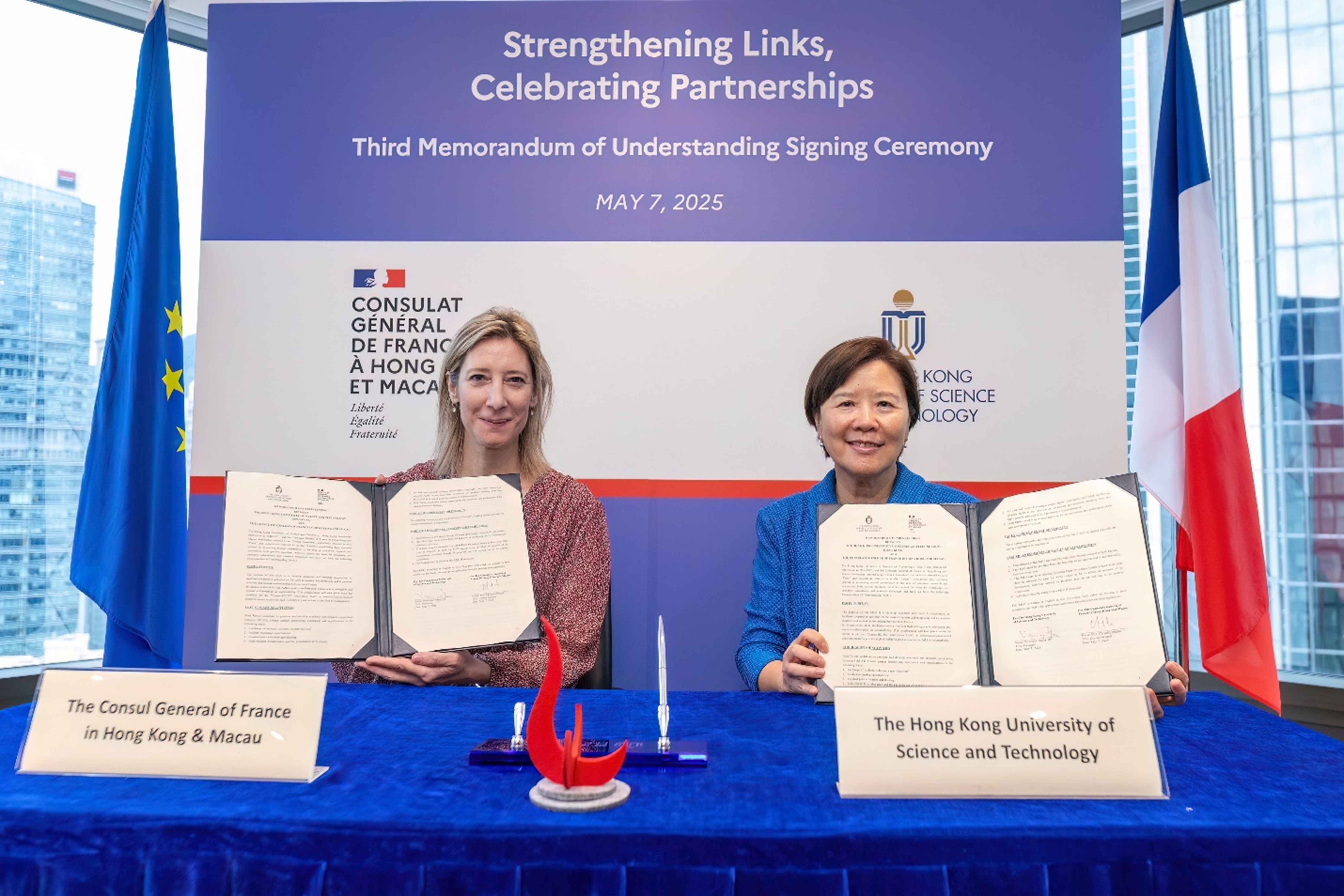
The MoU is signed by Mrs. Christile DRULHE (left) and Prof. Nancy IP (right) during the "France x HKUST Reception", a special event held at the Consulate General.
HKUST Launches UNESCO-Backed SEPRESS Initiative for Climate Resilience and Sustainable Solutions
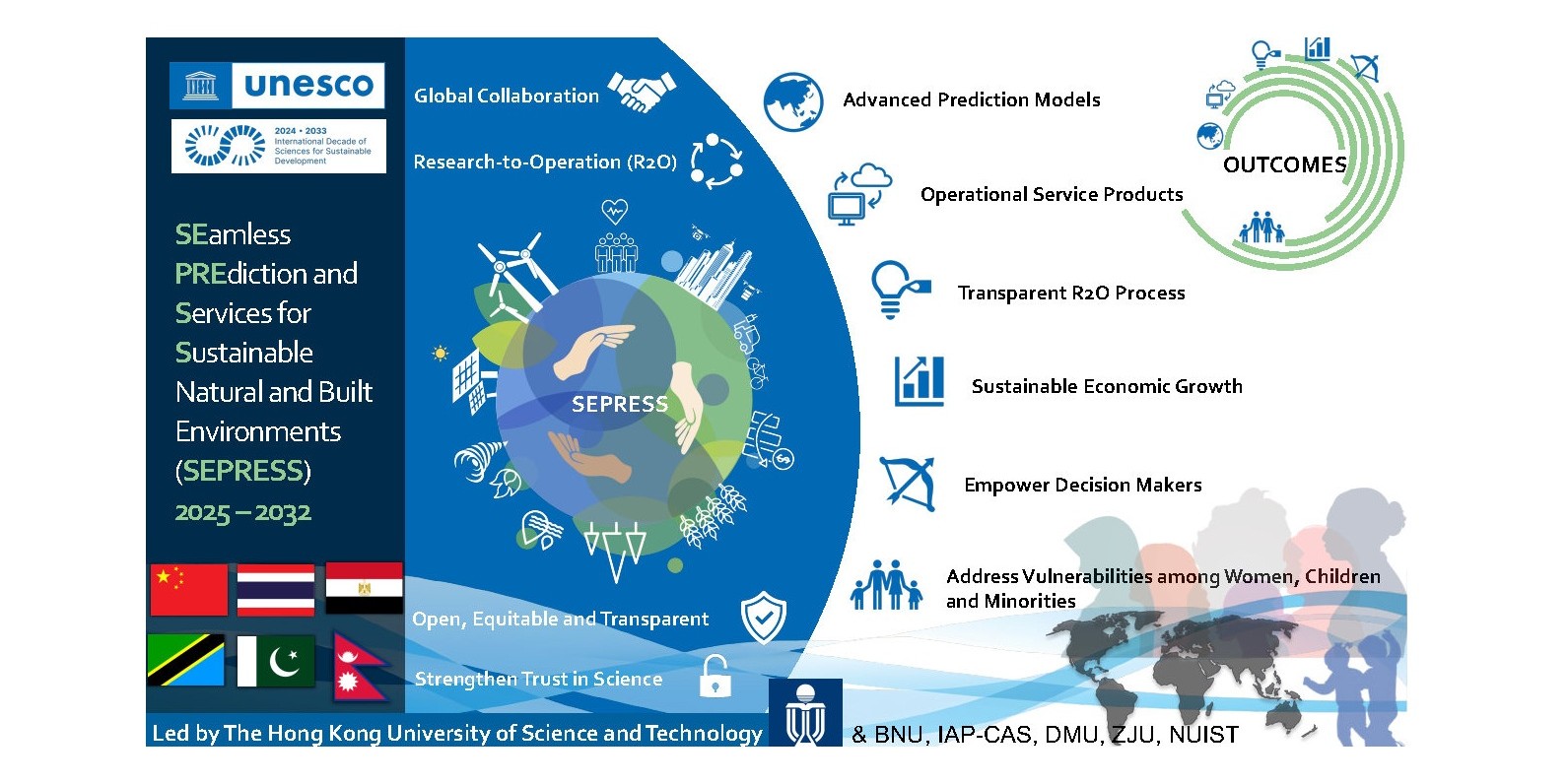
HKUST has launched SEPRESS, a UNESCO-endorsed global transdisciplinary initiative that translates weather-to-climate prediction research into scalable solutions for climate resilience and sustainability worldwide, with a particular focus on Least Developed Countries. Focusing on seven key areas—including climate action, disaster risk reduction, water resources, and clean energy—the initiative has already secured USD 2.5 million in research funding and engaged 12 partners across Asia and Africa to enhance urban resilience, improve disease outbreak forecasting, and support climate-sensitive investments.
Partnerships








HKUST advances SDG 13 through global and local partnerships, as well as industry collaborators.
Global Partnerships
- The International Sustainable Campus Network (ISCN): HKUST's Net-Zero Action Plan 2045 received an Honourable Mention in the 2025 ISCN Excellence Awards.
- Joint Declaration on Embracing a Living Lab Approach to Promote Carbon Neutrality: Spearheaded by HKUST, this declaration unites global universities to advance carbon-neutral solutions through campus-based innovation and research to reduce greenhouse gas emissions.
- Otto Poon Centre for Climate Resilience and Sustainability: The Centre delivers scalable climate resilience strategies for governments and industries, leveraging expertise in climate science, AI, and renewable energy.
- The World Sustainable Development Institute (WSDI): WSDI engages 12 international partners across Asia and Africa to develop frameworks for disaster risk reduction, climate adaptation, and sustainable resource management.
- Esquel Group: HKUST partners with Esquel on a five-year study program where students conduct biannual field research.
Local Partnerships
- China Hong Kong Culture Exchange Association (CNHK): HKUST co-organizes the Sustainability Innovation Forum, connecting climate tech, ESG integration, and sustainable finance with regional policy development.
Industry Partners
- Hong Kong Science and Technology Parks Corporation (HKSTP): HKUST pilots green tech startups through the Living Lab Incubation program.
- Hong Kong Green Tech Challenge: HKUST partners to identify and deploy green technologies in building and construction, supporting net-zero urban development.
- Gotta GO! Sustainable Explorer Challenge: HKUST engages students in designing lower-carbon travel itineraries, promoting sustainable tourism.
- ESF English Schools Foundation: HKUST provides sustainability education programs on energy conservation and greenhouse gas reduction for schools.
- Consulate General of France in Hong Kong and Macau: Through the Anita Conti Sustainable Innovation Fellowship, HKUST exchanges researchers with French institutions on climate change mitigation and adaptation.
International Collaboration on SDG Data Gathering and Measuring
- CliMet Lab: HKUST's satellite HKUST-FYBB#1 provides high-resolution Earth data for climate research, including landslide hazard monitoring and disaster mitigation.
- China Meteorological Administration (CMA): HKUST collaborates with CMA to enhance early warning systems, strengthen disaster preparedness, and build climate-resilient communities.
Community Engagement
HKUST and Lang Qing Charity Partner on Climate Innovator Program for Youth
HKUST partnered with Lang Qing Charity to host the Climate Innovator Program, an initiative funded by Bank of China (Hong Kong) and supported by the Environment and Ecology Bureau of the Hong Kong SAR, to equip young leaders with knowledge on carbon neutrality, clean energy, emission reduction technologies, carbon auditing, and environmental policies. Participants visited green facilities in Shenzhen and Zhuhai—including BYD, Shenneng Environmental Protection Longgang Energy Ecological Park, Toyotomi Beijian Transparent Factory, and Kangheng Environmental Protection Co. Ltd.—and attended training at HKUST on circular economy, cutting-edge technologies, and Living Lab projects such as algae carbon capture, ocean trash clean-up robots, and food waste conversion. Participants developed promotional action plans for carbon neutrality and renewable energy adoption, with the winning team earning a study trip to Tsinghua University in Beijing.
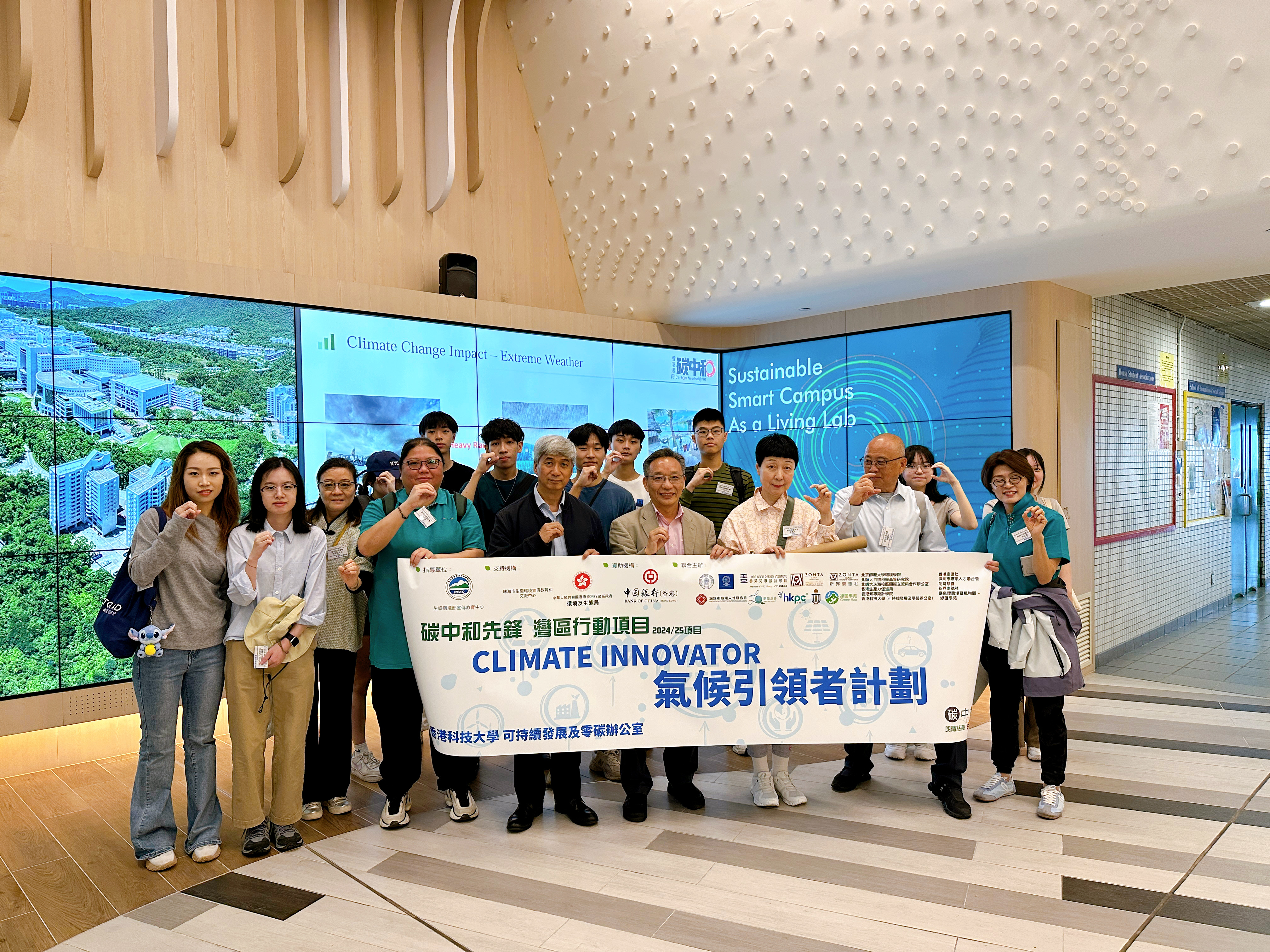
"Climate Innovator" program - April 10, 2025
HKUST Kicks Off Low-Carbon Food Tasting Tour to Promote Climate Action
HKUST hosted the Low·CO₂ Food Tasting Tour, organized by the Jockey Club Sustainable Campus Consumer Programme, attracting over 480 attendees. The event featured low-carbon dishes from campus caterers and local vendors, alongside educational games designed by HKUST business students to promote sustainable eating habits—including eating less meat, choosing local food, and reducing waste.
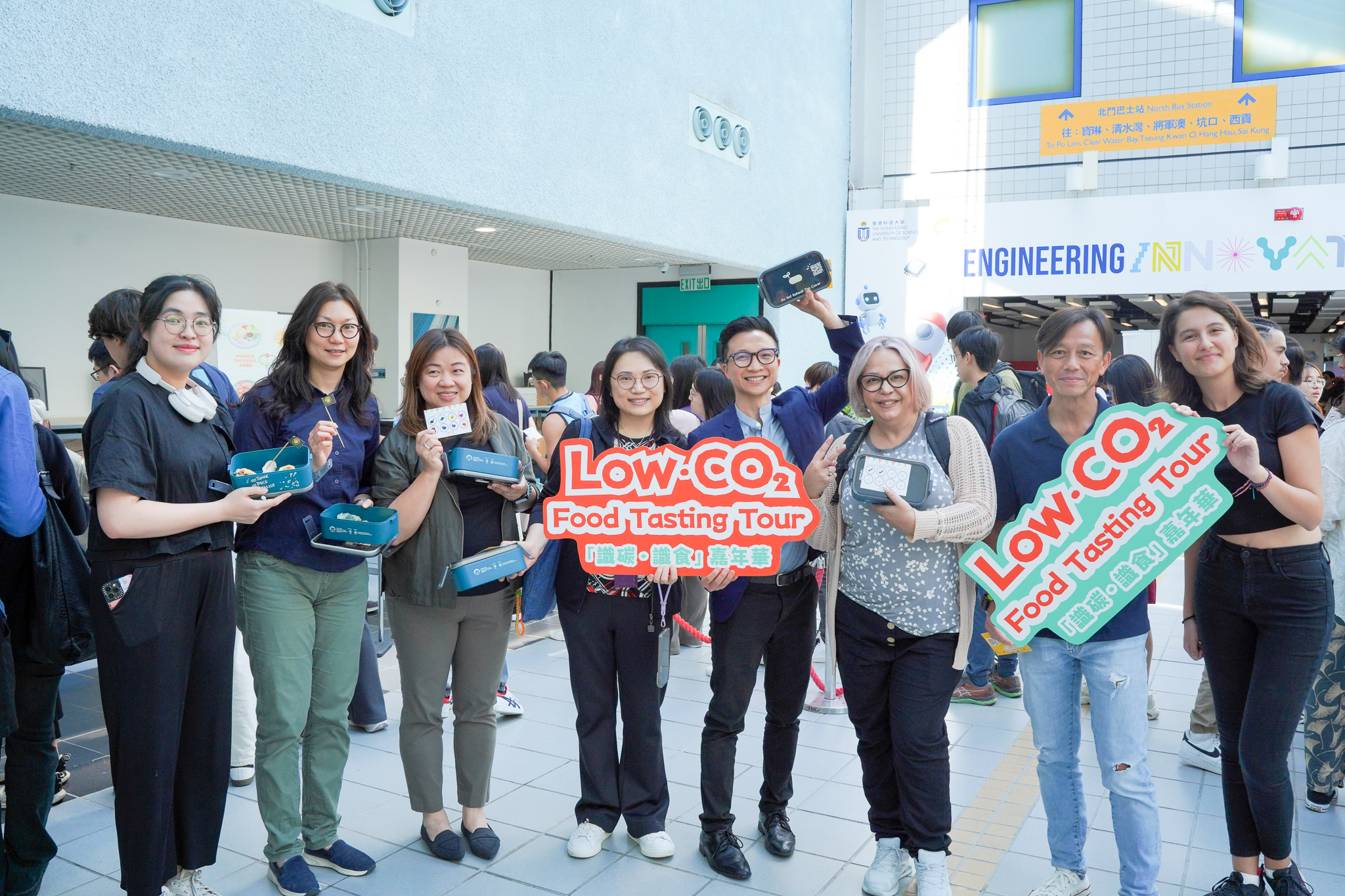
Low·CO₂ Food Tasting Tour - October 3, 2024
Civic Exchange and HKUST Empower Youth on Climate Adaptation
HKUST partnered with Civic Exchange to host a sustainability tour for 35 secondary school students as part of the Young Environment Ambassador programme. Students explored five Living Lab projects—including a smart water fountain, aquaponics system, green parking with EV monitoring, solar panel cooling coating, and a reusable lunchbox program that has eliminated over 9,000 disposable items.
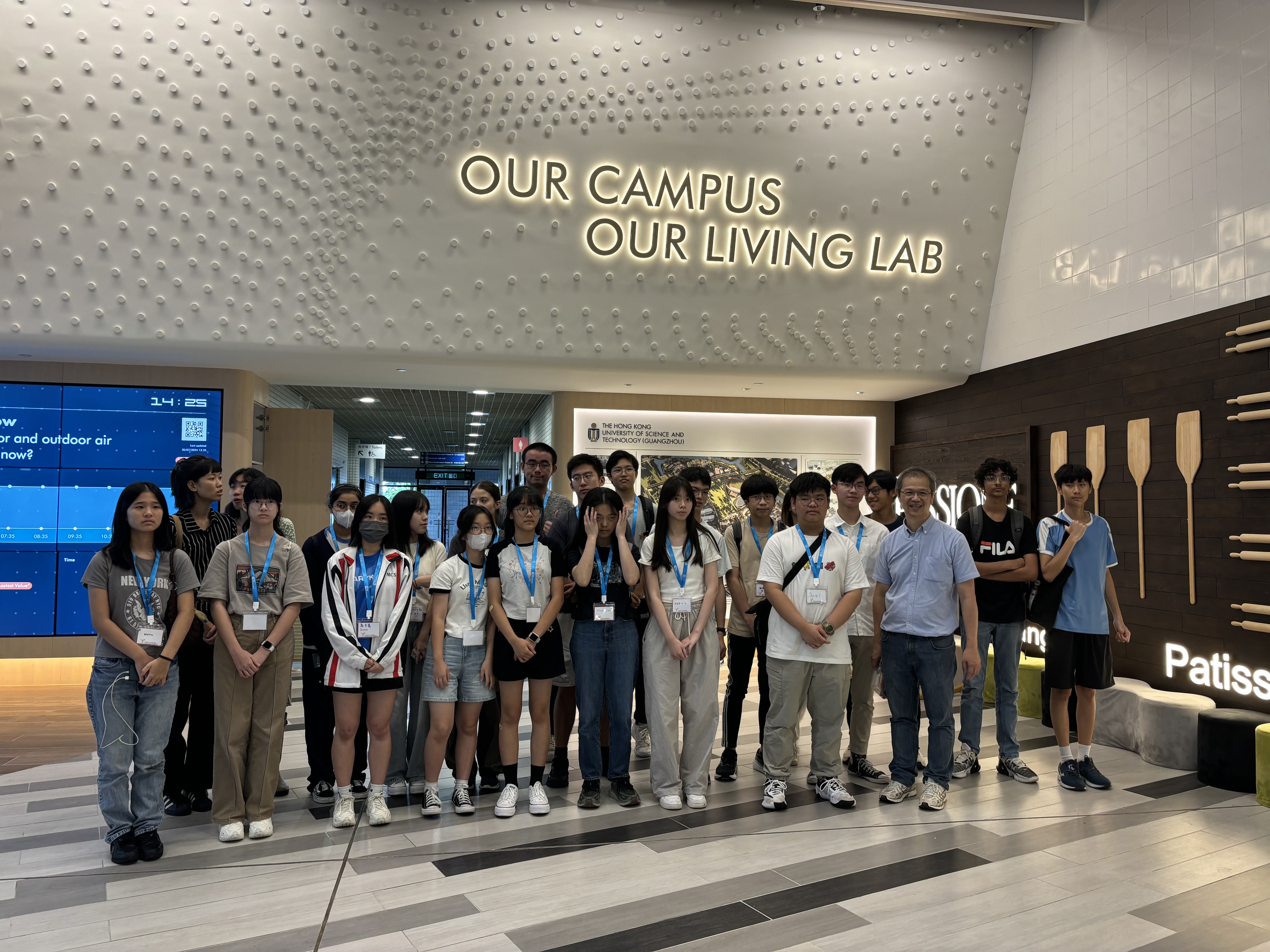
HKUST Tour for Civic Exchange’s Young Environment Ambassador (YEA) programme - July 30, 2024
Operations
HKUST Leads Local Universities with First Net-Zero Action Plan
HKUST has launched Hong Kong's first comprehensive net-zero action plan among universities, targeting a 50% emissions reduction by 2035 and full net-zero by 2045. The plan includes stringent building standards exceeding Hong Kong's highest green certification, with the new Martin Ka Shing Lee Innovation Building achieving 30% lower embodied carbon than the baseline. HKUST has committed HK$30 million to pilot climate tech solutions on campus, funded by its 2.5 MW solar system—the largest institutional system in Hong Kong.