SDG 11: Sustainable cities and communities
HKUST recognizes the urgent need to create sustainable cities and communities that are inclusive, resilient, and environmentally conscious. By adopting a Net-Zero Carbon Investment Strategy and partnering with experts to study and develop strategies for environmental solutions, HKUST demonstrates its commitment to creating a sustainable community for all. HKUST also strives to foster artistic awareness and cultural appreciation within the campus community by supporting arts and cultural activities in our campus and engaging in community conservation initiatives that safeguard traditions and heritage sites. The campus itself is also designed to be accessible and pedestrian-friendly, contributing to the creation of vibrant and liveable urban environments that harmonize economic growth, social development, and environmental stewardship.
Curriculum
Common Core Program
The Common Core Program requirements are mandatory for all undergraduate students, ensuring every graduate has the opportunity to engage with sustainability. For the 2024-25 academic year, over 20 Common Core courses are directly related to Sustainability and the SDGs, making sustainability education an integral part of the foundational curriculum for all students.
Extended Major in Sustainability
For students seeking deeper engagement, the Extended Major in Sustainability is available in combination with Science, Engineering, Business, Humanities and Social Science, and most Academy of Interdisciplinary Studies majors. In 2024-2025, it offers 55 courses covering a range of SDG topics, providing an interdisciplinary pathway for students across disciplines.
Other Relevant Programs
Additional specialized degree programs further integrate SDGs into the curriculum, including the BSc in Environmental Management and Technology (EVMT) , the BSc in Sustainable and Green Finance (SGFN) , and the BSc in Ocean Science and Technology (OST). These multi-disciplinary programs equip students with the knowledge and skills needed to address specific sustainability challenges.
For more details on the integration of SDGs across the HKUST curriculum, please click here.
HKUST offers courses such as:
ENVR 2070 – Smart Buildings for a Warming Planet: Explores how smart technologies can transform buildings into carbon-neutral infrastructures to combat climate change .
ENVR 3110 – Life Cycle Assessment for Sustainable Development: Teaches quantitative tools to assess the full environmental and social impact of products and systems .
CIVL 1210 – Fundamental of Green Buildings: Covers both building-scale and city-scale principles for creating comfortable, energy-efficient built environments
Research
According to Science Direct, from 2021 to 2025, HKUST published 1,154 research papers addressing SDG 11.
12.2% of them are in the top 10% cite score and around 73.7% are internationally co-authored.
Research Highlights
HKUST's Liquid Cooling Tech Cuts Data Center Energy Use and Emissions
HKUST has launched Hong Kong's largest liquid immersion cooling system in its research computing facility, reducing cooling energy consumption by over 80% and cutting annual carbon emissions by 900 tons, a 45% reduction compared to traditional air cooling. The system also saves approximately HK$3 million in electricity costs annually while enhancing computing performance. As cities increasingly rely on AI and data-intensive research, this sustainable cooling technology demonstrates a scalable solution to lower urban energy consumption, reduce emissions, and support climate-resilient infrastructure. The technology will be expanded to a new data center set for completion in 2026, aligning with HKUST's net-zero carbon goal by 2045 and offering a model for sustainable urban development.
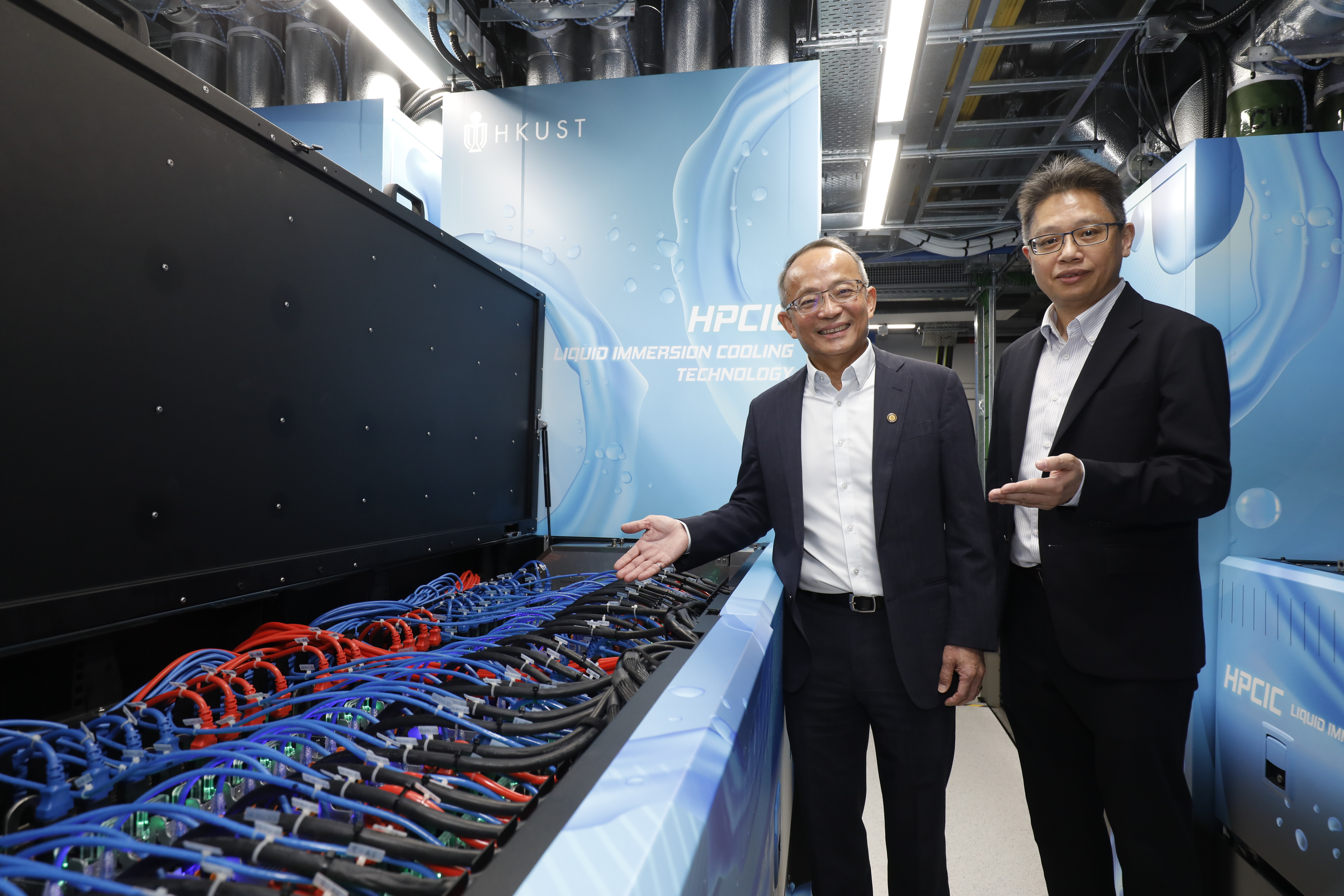
HKUST Vice-President for Research and Development Prof. Tim CHENG (left) and Director of HKUST’s Information Technology Services Center Dr. Samuel KWAN introduce the city’s largest Liquid Immersion Cooling system launched by the University.
Publication
HKUST is actively conducting research striving for a sustainable city. The following publications are evidence of this:
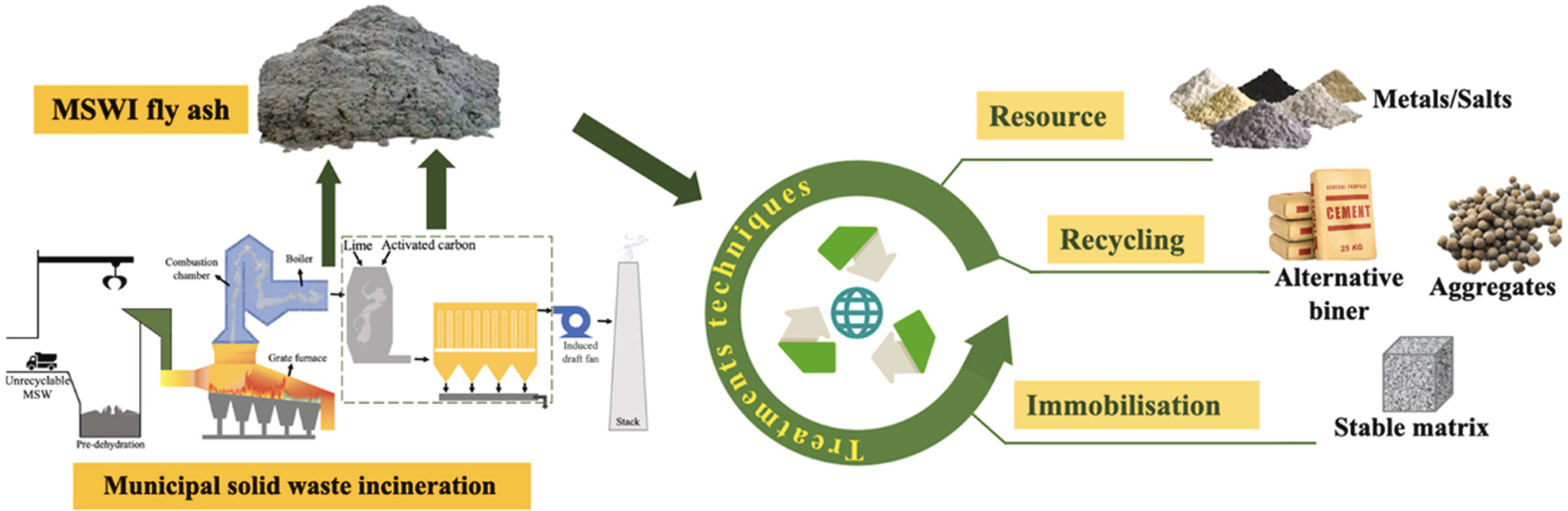
Recycling of Municipal Solid Waste Incineration Fly Ash as Construction Materials
HKUST-affiliated researchers review the recycling of hazardous MSWI fly ash into construction materials like cement and aggregates—reducing landfill waste and carbon emissions while improving product performance. The authors stress the need for long-term monitoring of heavy metal leaching to ensure safe application and the importance of promoting resource-efficient, lower-carbon building materials for sustainable cities.
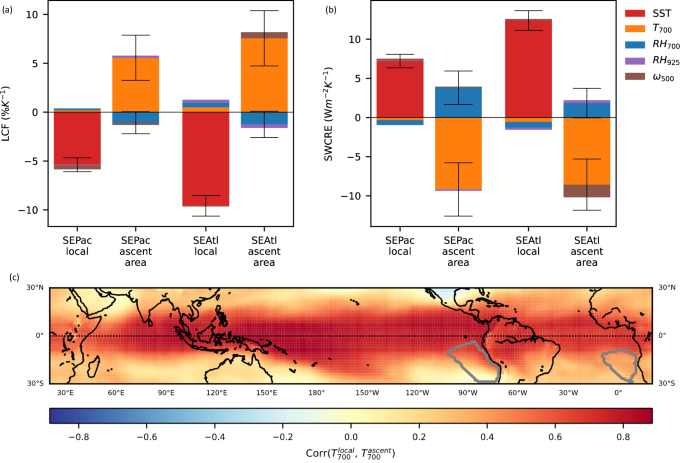
Multi-objective observational constraint of tropical Atlantic and Pacific low-cloud variability narrows uncertainty in cloud feedback
HKUST researchers have found that tropical cloud feedback may amplify global warming by 71% more than previously thought, meaning Earth's climate is more sensitive to CO₂ than many models estimated. This breakthrough provides urban planners and policymakers with critical data to build climate-resilient infrastructure and prepare for heatwaves, floods, and other hazards. The findings were published in Nature Communications.
Policy
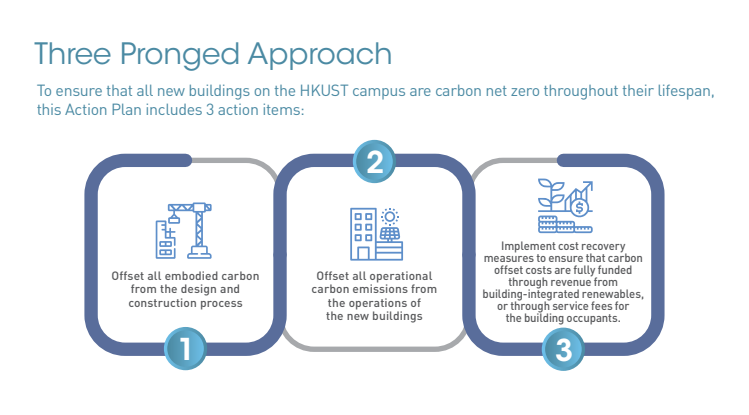
HKUST Net-Zero Building Standard
HKUST is committed to improving the energy efficiency of its new buildings as well as renovation projects through the implementation of newly updated HKUST Net-Zero Building Standards. The requirements outlined include anticipating future energy needs, maximizing metering and monitoring capabilities while keeping a flexible design to accommodate for future new sustainable technologies.
Affordable Housing for Students
Undergraduate and Postgraduate students can apply for affordable residential halls all throughout Fall, Winter, Spring and Summer semesters.
HKUST provides housing subsidies to its student residents to ensure that the University constantly offers prices below market rates, with financial aid is available to students in need. The University provides accommodations to students at rates as low as 12.5% of the rates offered by outside landlords.
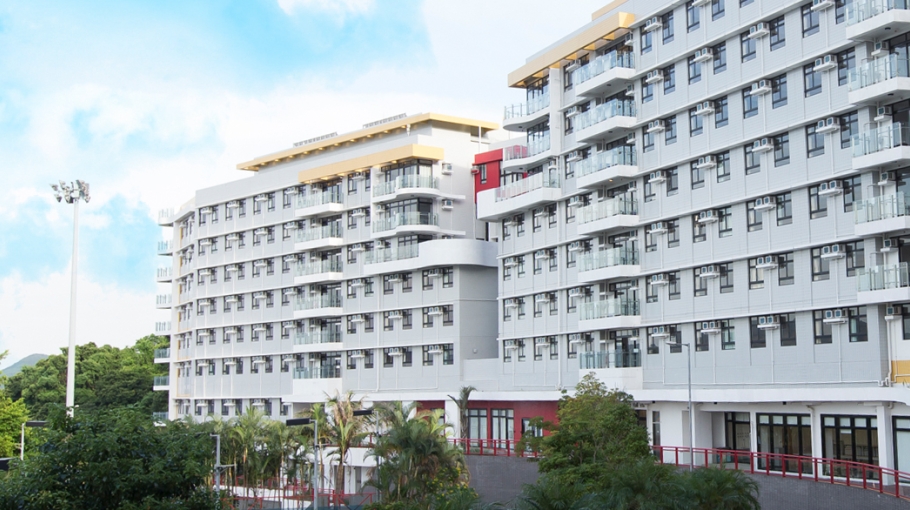
Housing Offered to Undergraduate Students in HKUST
Collaboration
HKUST Launches UNESCO-Backed Initiative for Climate-Resilient Cities
HKUST has launched SEPRESS, a UNESCO-endorsed global initiative that translates climate prediction research into actionable solutions for cities. Focusing on disaster risk reduction, water resources, and climate action, the program helps urban planners prepare for extreme weather and build adaptive capacity—with particular attention to Least Developed Countries. Supported by USD 2.5 million in funding and partners across Asia and Africa, SEPRESS directly supports SDG 11 by equipping cities with tools for safer, more resilient urban development.
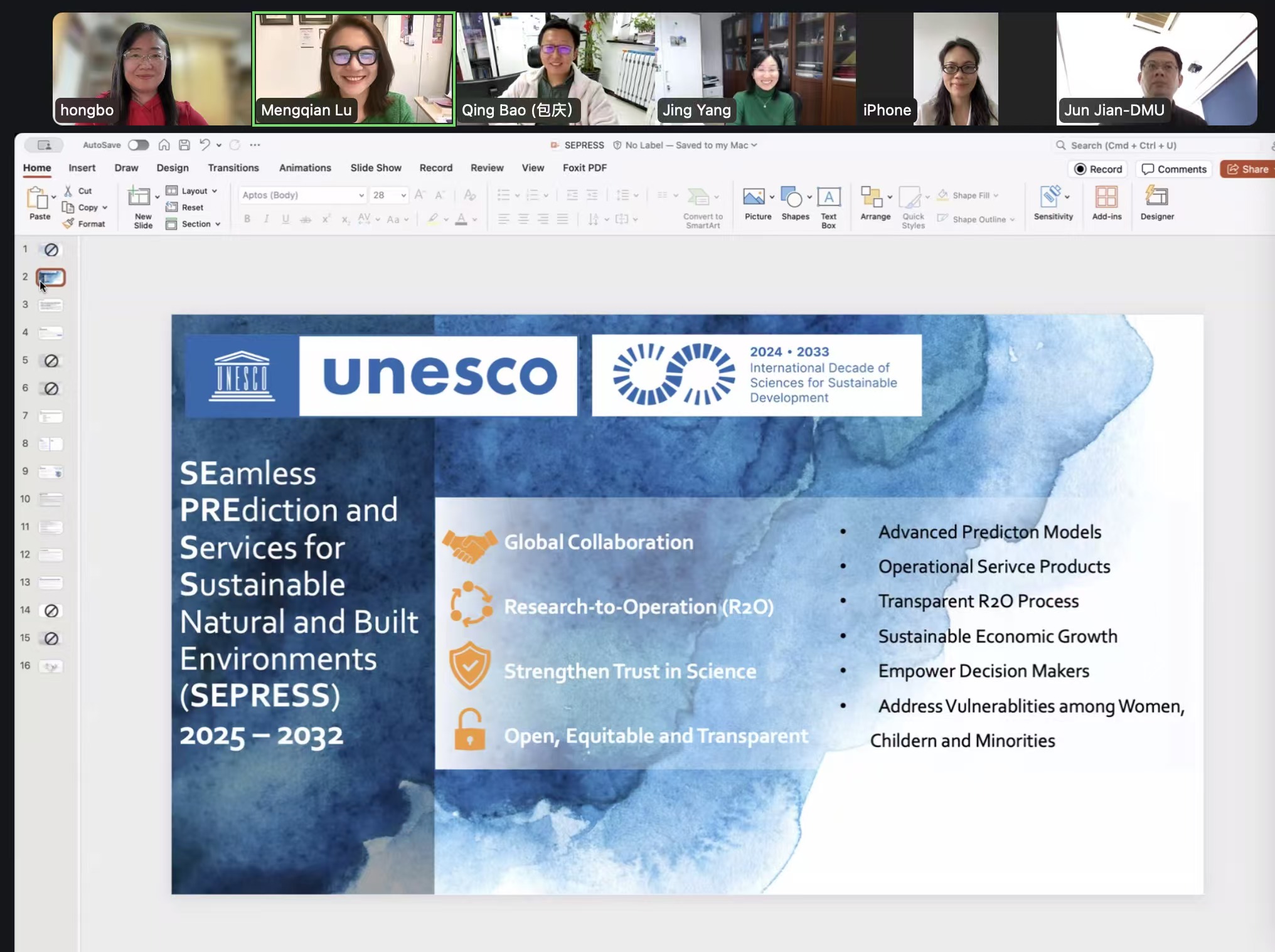
The “Seamless Prediction and Services for Sustainable Natural and Built Environments” (SEPRESS) program led by HKUST, has been endorsed by the United Nations Educational, Scientific and Cultural Organization (UNESCO) as part of its International Decade of Sciences for Sustainable Development (IDSSD). In April, its founding members held their first meeting online to discuss future collaborations aimed at developing actionable solutions to promote global sustainability.
HKUST and French Consulate Renew Partnership for Sustainability Research
HKUST has renewed its partnership with the French Consulate General to strengthen collaboration on sustainability challenges. The Anita Conti Sustainable Innovation Fellowship enables HKUST researchers to work at French institutions and now hosts French PhD students at HKUST for up to three months. By fostering cross-border research and talent exchange on climate action and urban resilience, this partnership builds capacity for sustainable cities and supports SDG 11. The collaboration builds on eight years of cooperation since 2017.
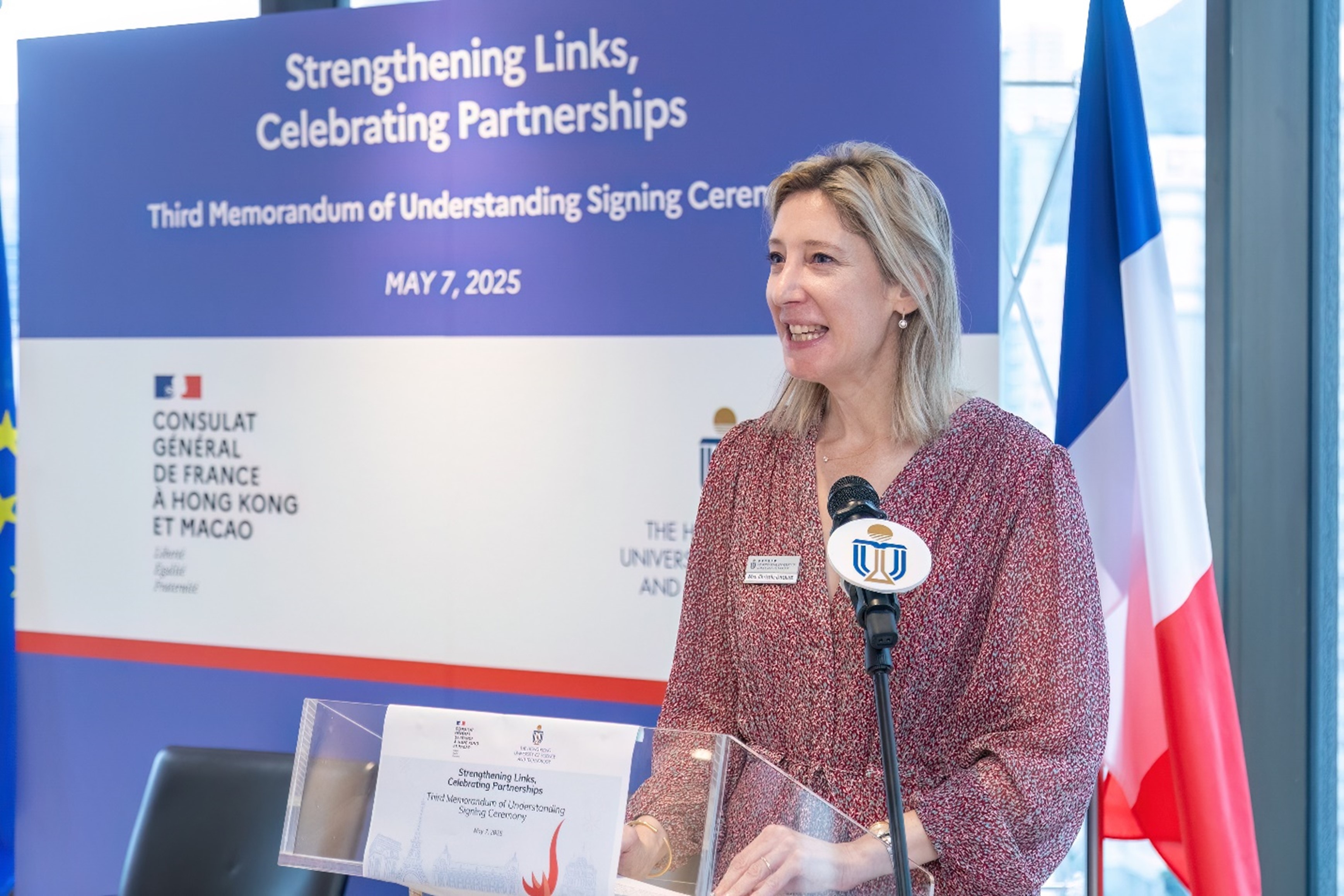
Consul General of France in Hong Kong and Macau Mrs. Christile DRULHE delivers speech, emphasizing the importance of collaborating with HKUST.
Partnerships





HKUST advances SDG 4 through global and local partnerships, as well as industry collaborators.
Global Partnerships
The International Sustainable Campus Network (ISCN): HKUST exchanges best practices on sustainable campus operations and urban resilience with global peers.
Local Partnerships
China Hong Kong Culture Exchange Association (CNHK): HKUST co-organizes the Sustainability Innovation Forum. The forum connects ESG innovation with urban sustainability challenges.
Industry Partners
Hong Kong Science and Technology Parks Corporation (HKSTP): HKUST pilots green tech startups on campus through the Living Lab Incubation program.
Hong Kong Green Tech Challenge: HKUST partners to identify and deploy green technologies in building and construction.
Gotta GO! Sustainable Explorer Challenge: HKUST engages students in designing lower-carbon travel itineraries.
Time Auction: HKUST mobilizes staff and students through volunteerism.
Community Engagement
Sustainable Design Thinking Certificate Program 2024-2025
HKUST's Sustainable Design Thinking Certificate Program 2025 brought together 28 students from both campuses for a six-day camp focused on real-world sustainability challenges. Field visits to a waste-to-energy plant and a smart ecological factory provided insights into sustainable manufacturing and resource recovery. Student teams developed innovative prototypes, including a sensor-driven mosquito repellent station, a cross-border emotion support system, and an AI-powered smart recycling bin.
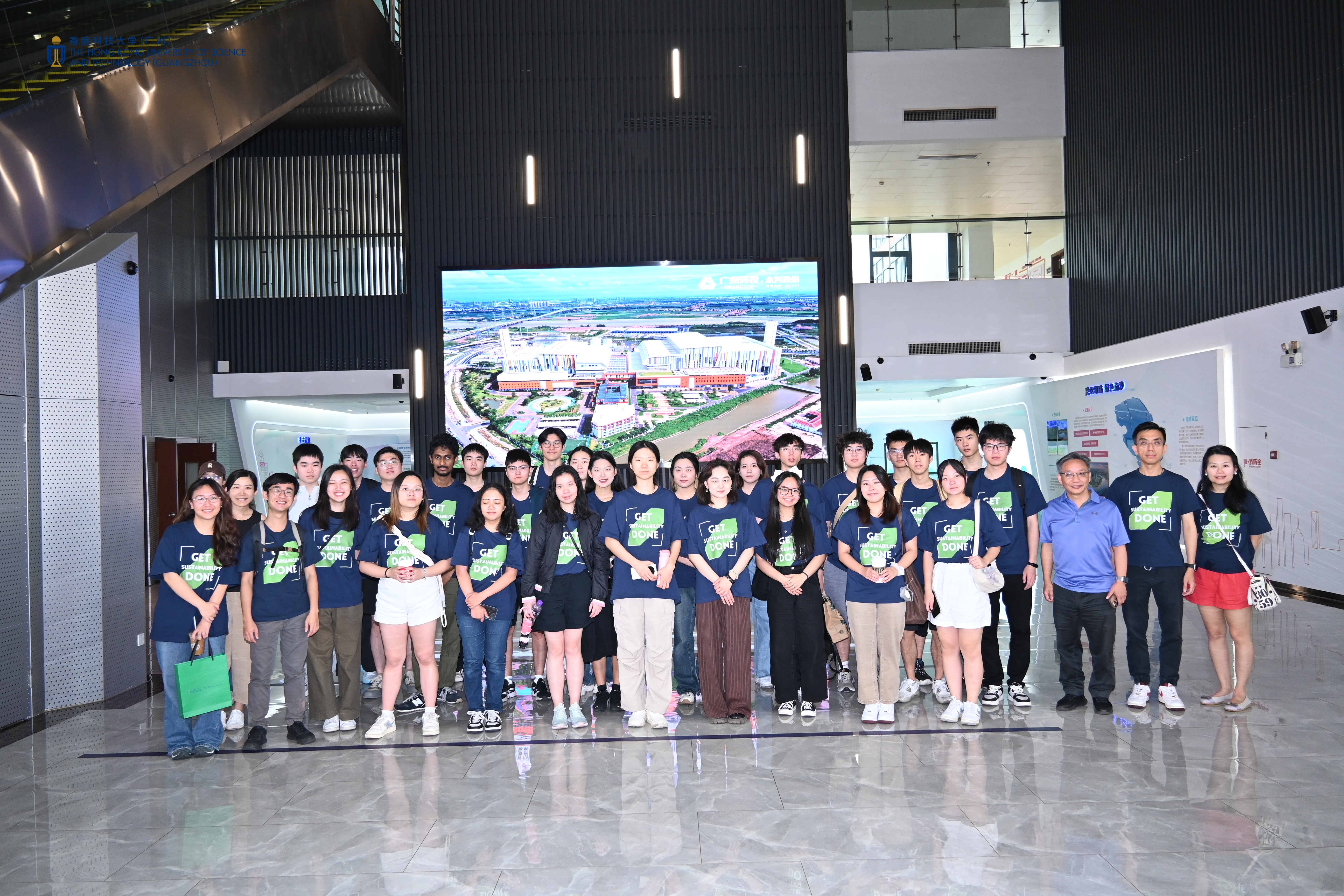
HKUST's Sustainable Design Thinking Certificate Program 2025 - June 2-7, 2025
Joint University Docent Training and Heritage Services Program in Yim Tin Tsai Village
The South China Research Center at HKUST co-organized this program with eight other universities and the Salt and Light Preservation Center, training students from September 2024 to February 2025 as heritage docents in Yim Tin Tsai Village—a revitalized Hakka settlement with a 300-year history. Participants received on-site and classroom training before completing at least 21 hours of service at the village, which features a UNESCO-award-winning restored chapel and revitalized saltpans.
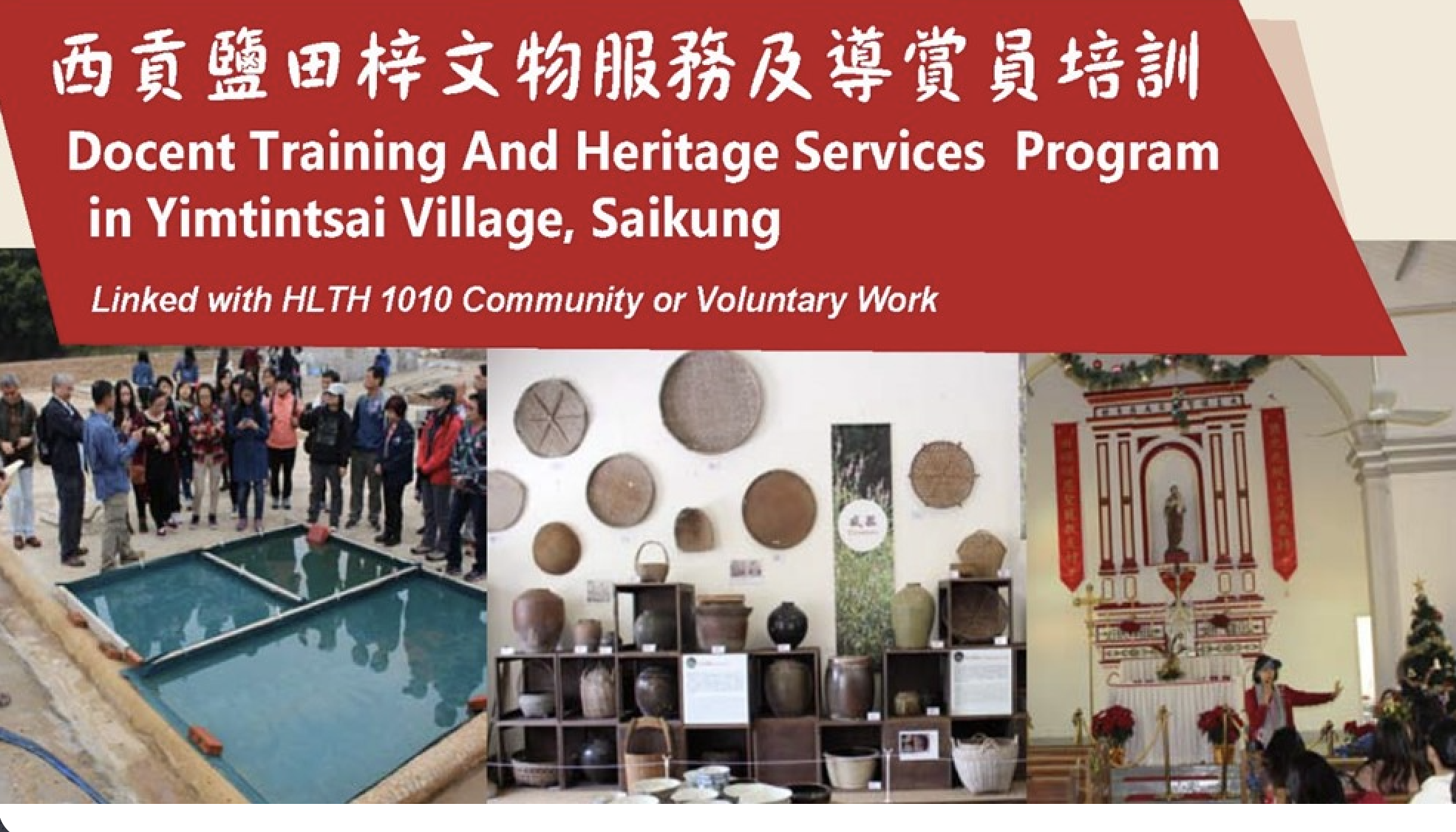
Joint University Docent Training and Heritage Services Program in Yim Tin Tsai Village, Sai Kung - September, 2024 until February, 2025
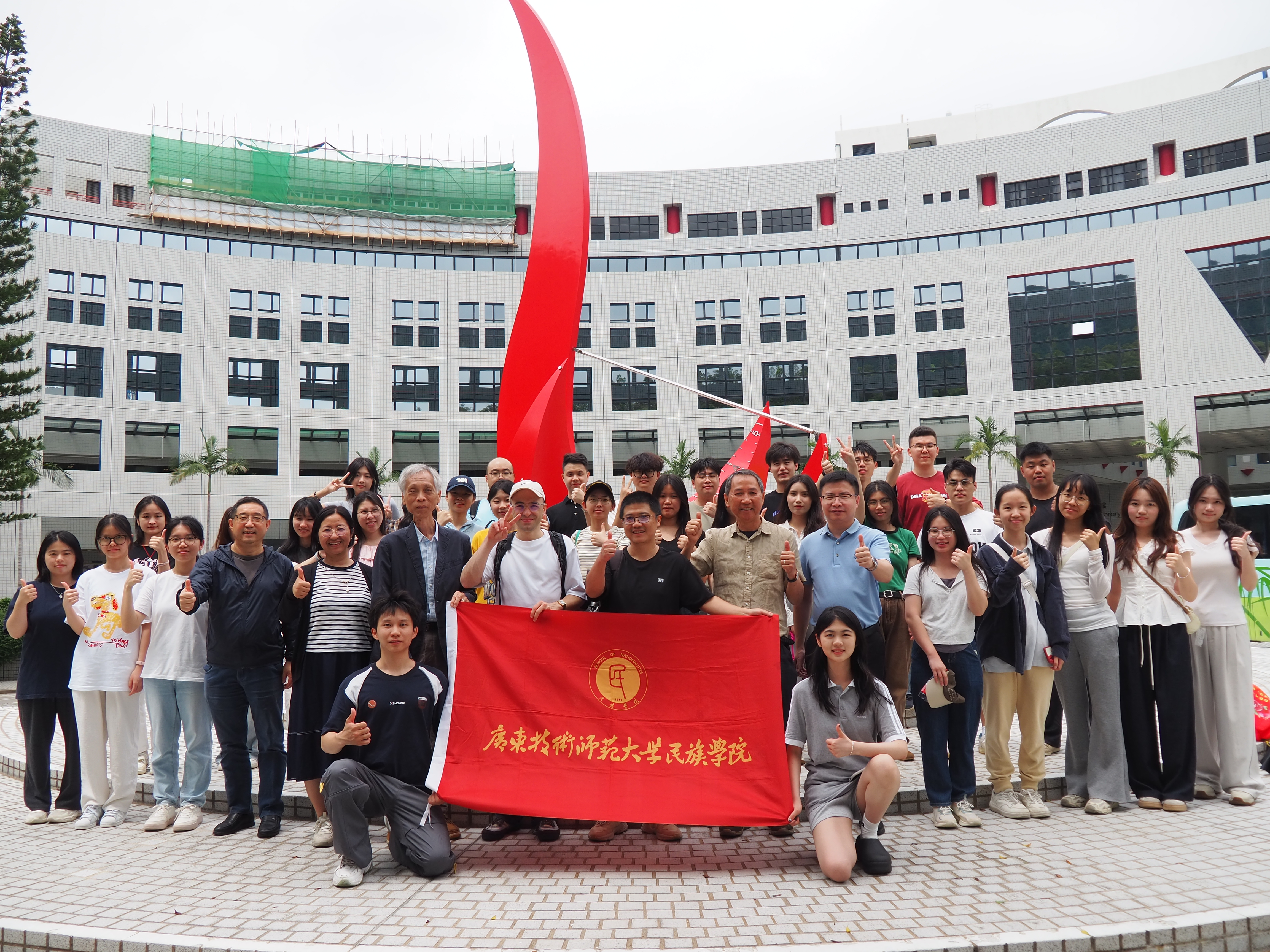
Tai O Dragon Boat Water Parade 2024 – Talk & Observation Activity
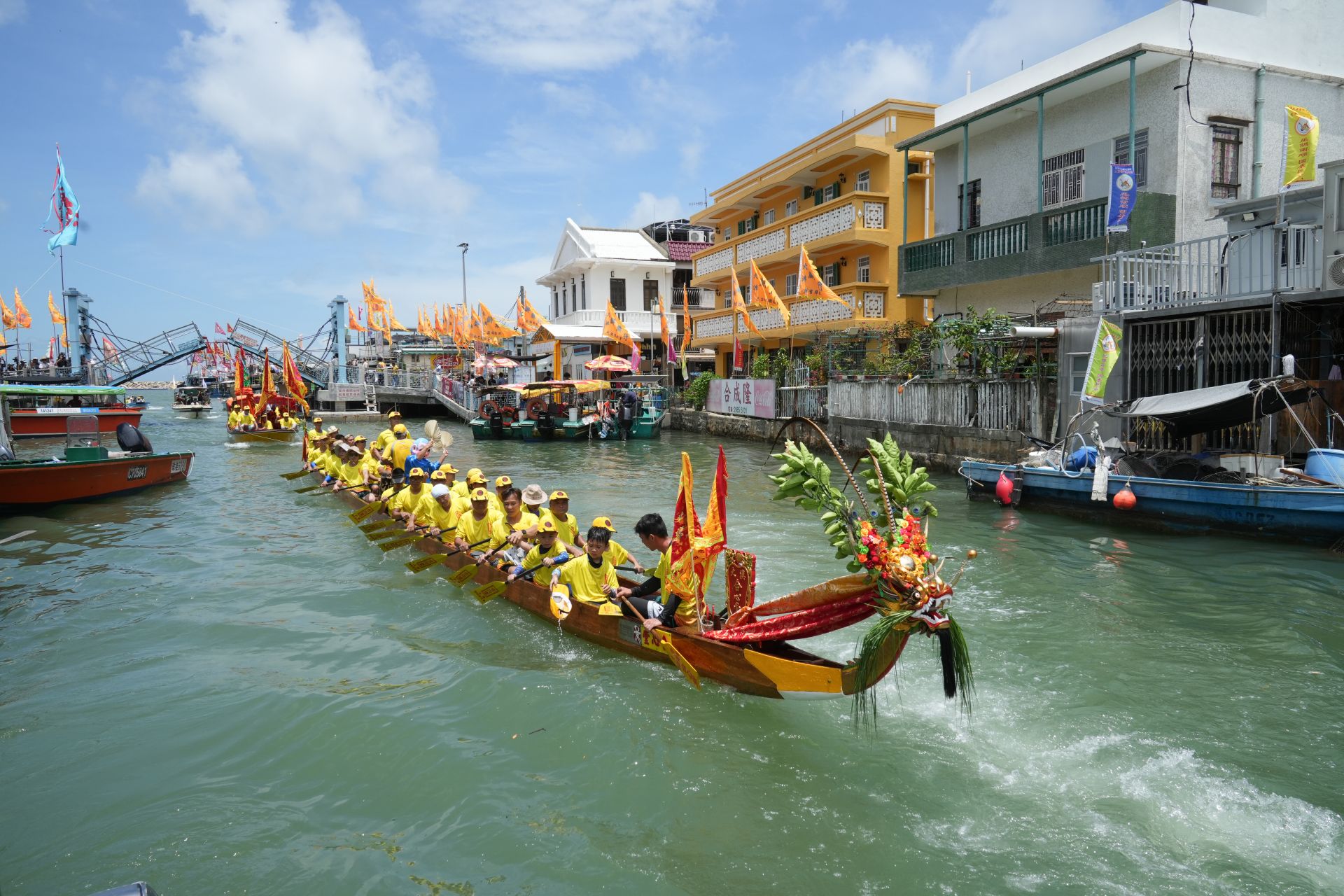
The Tai O dragon boat water parade is a traditional activity unique to the Hong Kong community. During the Dragon Boat Festival, the three fishermen’s associations in Tai O, organise the dragon boat water parade. The associations’ dragon boats tow sacred sampans carrying deity statuettes in a parade through Tai O waters to invoke blessings for well-being and peace. This talk, co-organized by the South China Research Center of HKUST, introduced the historical, social and cultural significance of this national intangible cultural heritage (ICH) and elaborate on the significance of ICH transmission through this case study.
Exhibition of Calligraphy Works by Dr Sze Chi Ching
HKUST Library, in collaboration with DAO, hosted an exhibition from 8 May to 31 July 2025 showcasing the distinguished calligraphy works of renowned local calligrapher Dr Sze Chi Ching, a lifelong devotee who has spent over eight decades refining his art. The exhibition featured his interpretations of ancient poetry and classic sayings, alongside a solo exhibition at HKUST in 2009, promoting calligraphy art and facilitating cultural exchange. Dr Sze also founded the China Calligraphers Association Hong Kong Branch and authored a free calligraphy curriculum for Hong Kong primary and secondary schools, actively preserving and transmitting traditional culture
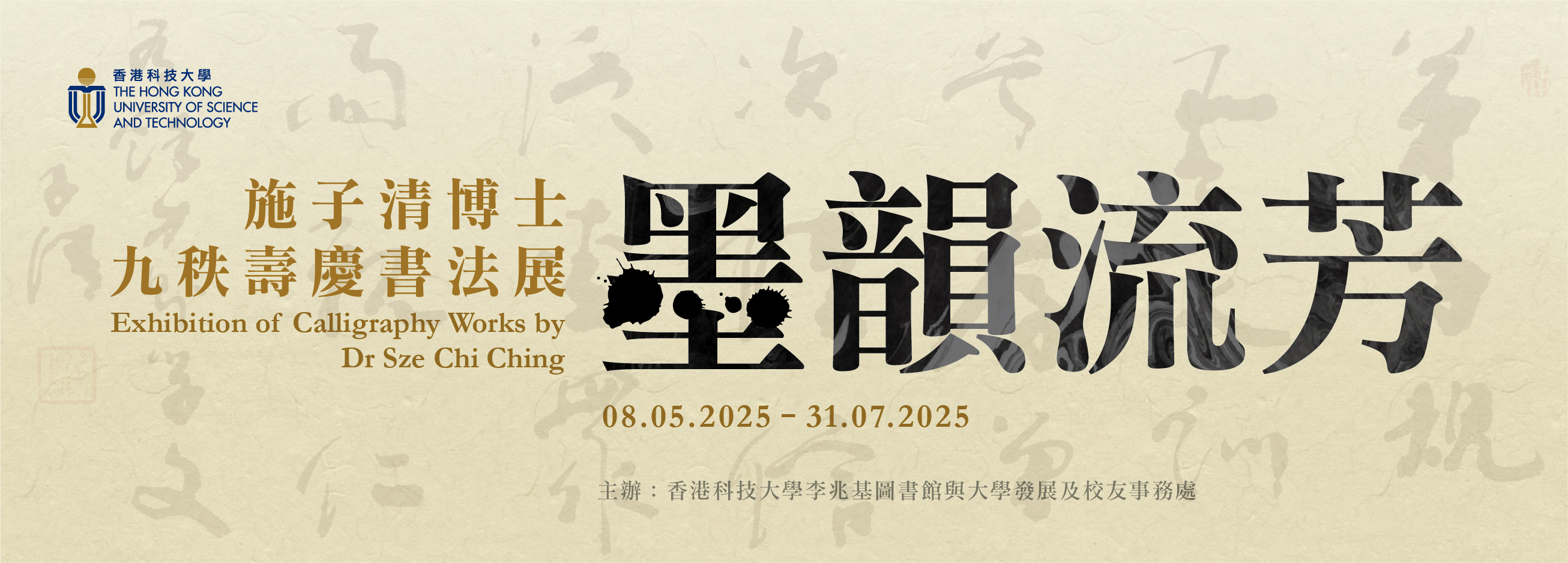
Exhibition of Calligraphy Works by Dr Sze Chi Ching - May 8, 2025
Campus Facilities
The South China Research Center
The South China Research Center, under HKUST's Division of Humanities, organizes community initiatives to preserve Hong Kong's intangible cultural heritage. In 2025, it held the Fan Lau Tin Hau Festival Field Trip, featuring Cantonese opera and lion dances, and supported the Dragon Boat Water Parade in Tai O through a service-learning activity where students assisted in this traditional event. It also runs the Joint University Docent Training Program in Yim Tin Tsai Village, with the most recent program running from September 2024 to February 2025, which included an information session, mandatory on-site training, and classroom training sessions, training students as heritage docents.
HKUST Center for the Arts
The HKUST Center for the Arts (CFA) promotes the appreciation and participation in artistic and cultural activities through a range of programs, including exhibitions, concerts, film shows, seminars, workshops, and off-site visits. The CFA's mission is to integrate art and culture into the university, which is primarily focused on business and science, aiming to nurture students' artistic awareness and appreciation of the arts. In fall 2024, the CFA hosted two notable events.
On September 20, 2024, it presented "Sound of English Strings," a performance by the Asiartic Camerata featuring masterpieces by eminent English composers of the 19th and 20th centuries.
On October 16, 2024, it presented the "Dance Theatre Diary VII • The Story Of......" by renowned Hong Kong dancer and choreographer Mui Cheuk Yin, which chronicles her stories with stray cats and was awarded Outstanding Choreography at the 23rd Hong Kong Dance Awards. These events, part of the CFA's broader programming, accentuate the multiculturalism of Hong Kong and the wider artistic world through unique singing, dancing, costumes, and instruments.
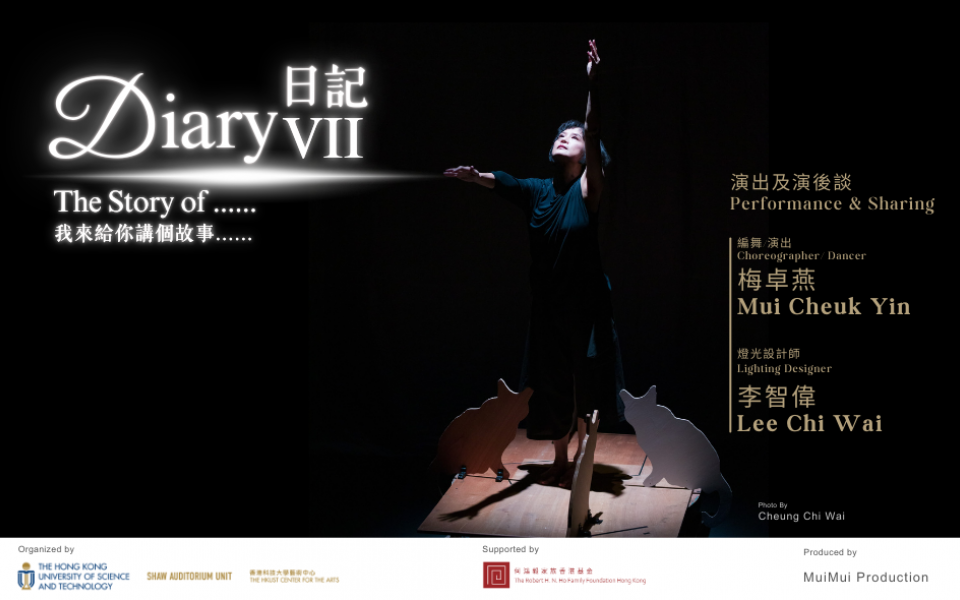
Dance Theatre Diary VII • The Story Of...... - October 16, 2024
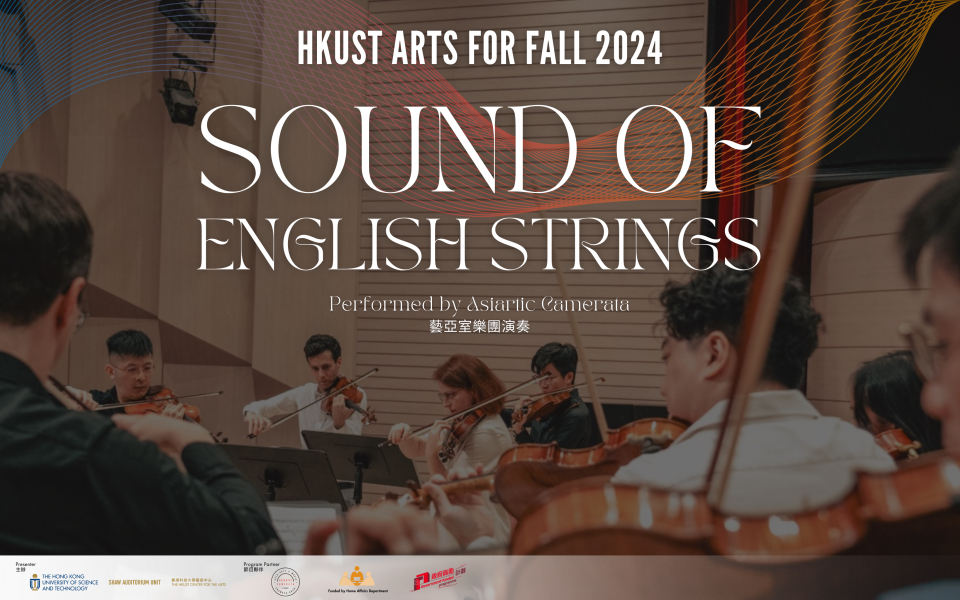
HKUST Arts for Fall 2024 - Sound of English Strings - September 20, 2024
Public Library Access
HKUST commits to make buildings, natural landscapes including exhibition spaces and galleries in the complex completely accessible for public. Subsequently, despite the libraries being exclusively accessible by students, faculty and staff, non-university members can apply for temporary libraries access during Summer and Winter semesters.
Transport and Commuting
As a walkable campus, pedestrian walkways with safety railings are present next to every single wheeled-accessible road. Additionally, pedestrian crossings are marked and prioritized over wheeled vehicles. As a part of the ongoing Martin Ka Shing Lee Innovation Building Project, a bridge will be built to connect walkways on different campus buildings.
To encourage staff members to choose more environmentally-friendly commuting options, HKUST provides over 10 Shuttle Bus routes serving around 50 stop points across Hong Kong. Our goal is for over 90% of staff to utilize sustainable transportation alternatives, which not only reduces energy consumption but also minimizes greenhouse gas emissions and alleviates road congestion.