SDG 6: Clean Water and Sanitation
Through interdisciplinary research, education, and innovative initiatives, HKUST actively addresses water challenges and promotes responsible water usage. We include a comprehensive curriculum and encourage extensive research on water technology and resource management. We also implement sustainable practices on campus, prioritize the provision of clean drinking water, and launched various water conservation initiatives.
Curriculum
Common Core Program
The Common Core Program requirements are mandatory for all undergraduate students, ensuring every graduate has the opportunity to engage with sustainability. For the 2024-25 academic year, over 20 Common Core courses are directly related to Sustainability and the SDGs, making sustainability education an integral part of the foundational curriculum for all students.
Extended Major in Sustainability
For students seeking deeper engagement, the Extended Major in Sustainability is available in combination with Science, Engineering, Business, Humanities and Social Science, and most Academy of Interdisciplinary Studies majors. In 2024-2025, it offers 55 courses covering a range of SDG topics, providing an interdisciplinary pathway for students across disciplines.
Other Relevant Programs
Additional specialized degree programs further integrate SDGs into the curriculum, including the BSc in Environmental Management and Technology (EVMT) , the BSc in Sustainable and Green Finance (SGFN) , and the BSc in Ocean Science and Technology (OST). These multi-disciplinary programs equip students with the knowledge and skills needed to address specific sustainability challenges.
For more details on the integration of SDGs across the HKUST curriculum, please click here.
HKUST offers courses such as:
CIVL 4560 – Urban Hydroclimate and the Built Environment: Studies the interaction between urban design and the water cycle, linking climate, energy, and water systems to sustainable development.
OCES 4303 – AI and Machine Learning in Marine Science: Applies advanced computational tools to analyze ocean data, supporting marine resource management and conservation efforts.
OCES 1010 – Principles and Applications of Environmental Science: Covers core topics on water resources, pollution, and remediation technologies to address water quality challenges.
Research
According to Science Direct, from 2021 to 2025, HKUST published 492research papers addressing SDG 6.
12.7% of them are in the top 10% cite score and around 75.8% are internationally co-authored.
Research Highlights
HKUST Maps Global Groundwater Sulfate Risks to Support Climate-Resilient Water Management
HKUST researchers led by Prof. CHEN Guanghao have developed the world's first high-resolution global groundwater sulfate distribution map, revealing that approximately 17 million people face gastrointestinal health risks from excessive sulfate levels, with about 194 million exposed to concentrations exceeding WHO guidelines. The map identifies hotspots in South Asia and North Africa and highlights how climate change and urbanization are expected to worsen sulfate contamination, jeopardizing global water quality and availability. This research equips policymakers with critical data to prioritize intervention strategies and safeguard water quality in vulnerable regions.
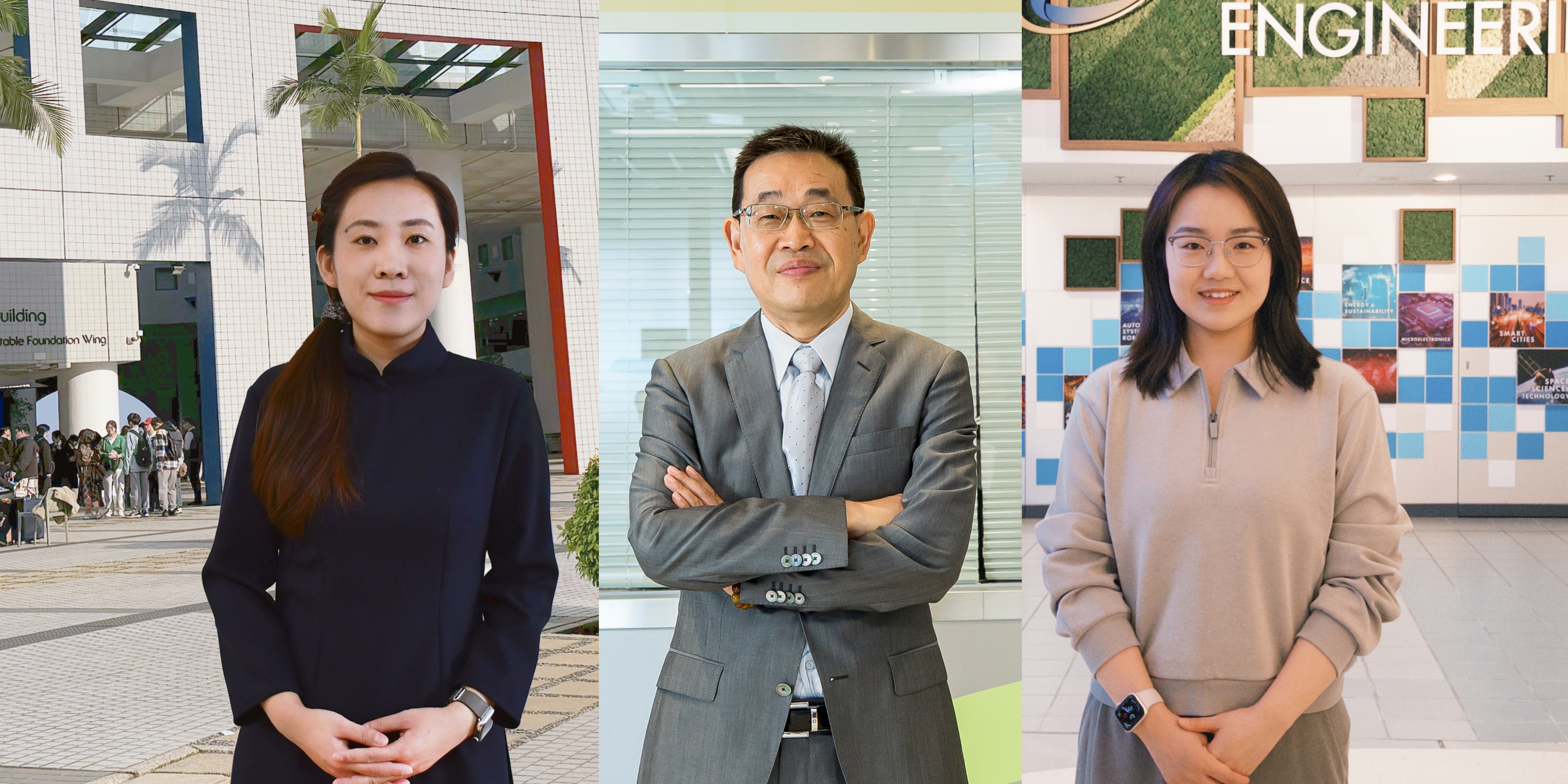
The Civil and Environmental Engineering research team comprised Chair Professor Chen Guanghao (center) and postdoctoral researcher Dr. Zhang Zi (left), both corresponding authors, and PhD student Xiao Chengyu (right), the first author.
HKUST Develops Digital Twin for Campus Water Network
HKUST has developed a hydraulic digital twin of the campus water supply network, utilizing IoT-based sensors, real-time data analytics, and predictive modeling to enable continuous monitoring, early leak detection, and reduction of water loss. This smart system provides a real-time virtual replica of the campus water infrastructure, allowing facility managers to identify anomalies, predict potential failures, and optimize water distribution efficiency. By transforming the campus into a living laboratory, the project demonstrates how advanced digital technologies can be applied to protect scarce water resources, enhance operational sustainability, and support HKUST's broader commitment to environmental stewardship and smart campus innovation.
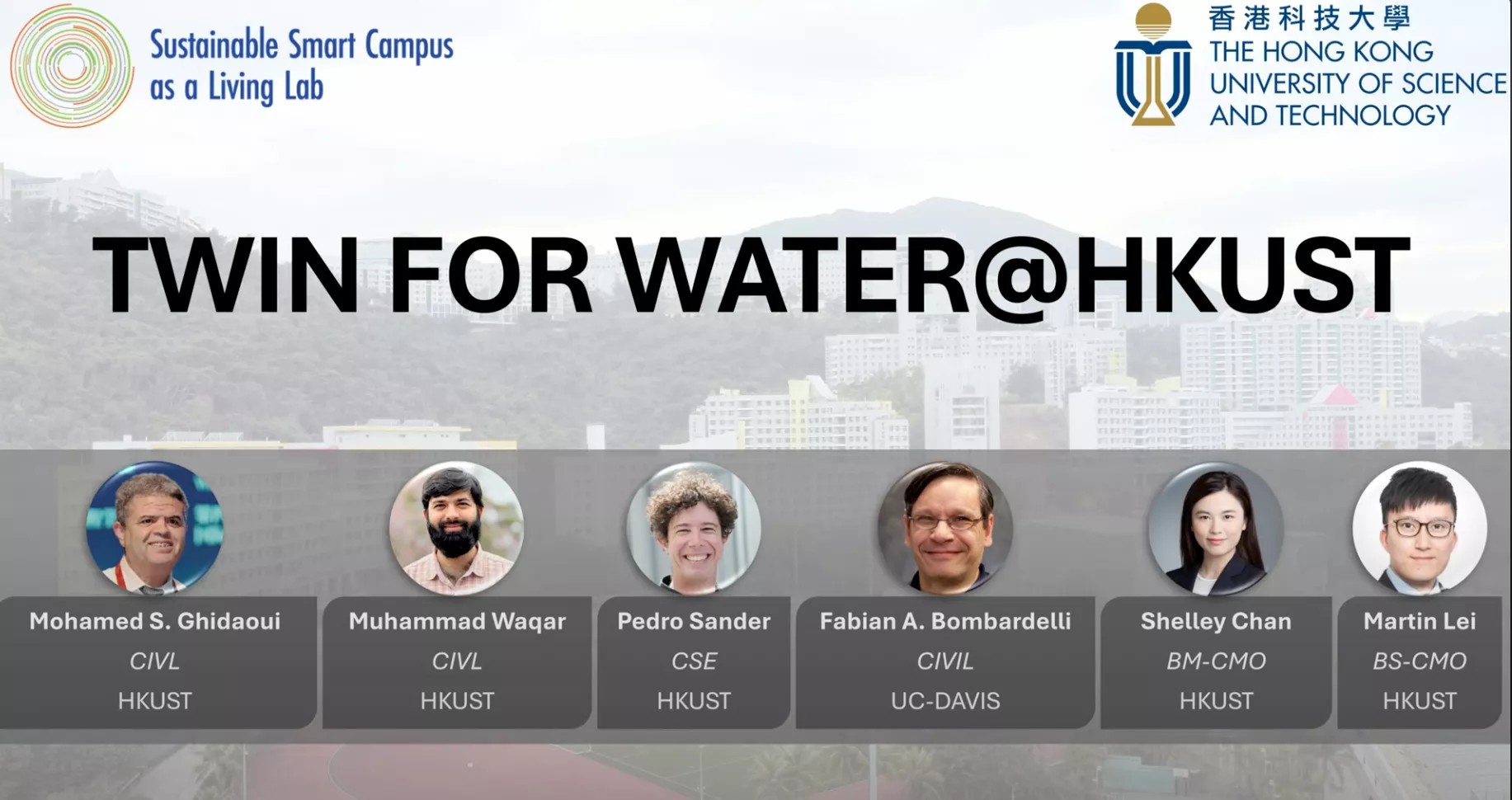
This project aims to create a hydraulic digital twin of the campus water supply network. By utilizing IoT-based sensors, real-time data analytics, and predictive modeling, it enables continuous monitoring, early leak detection, and reduces water loss.
Urban Spring Smart Hub Promotes Sustainable Water Consumption on Campus
HKUST has deployed the Urban Spring Smart Hub, an IoT-enabled system installed on 50 standard drinking water dispensers across campus to monitor water usage, temperature, and filter capacity in real time. Public dashboards display the collective number of plastic bottles saved, encouraging the HKUST community to adopt Bring Your Own Bottle (BYOB) behavior through data visualization and innovative user interaction
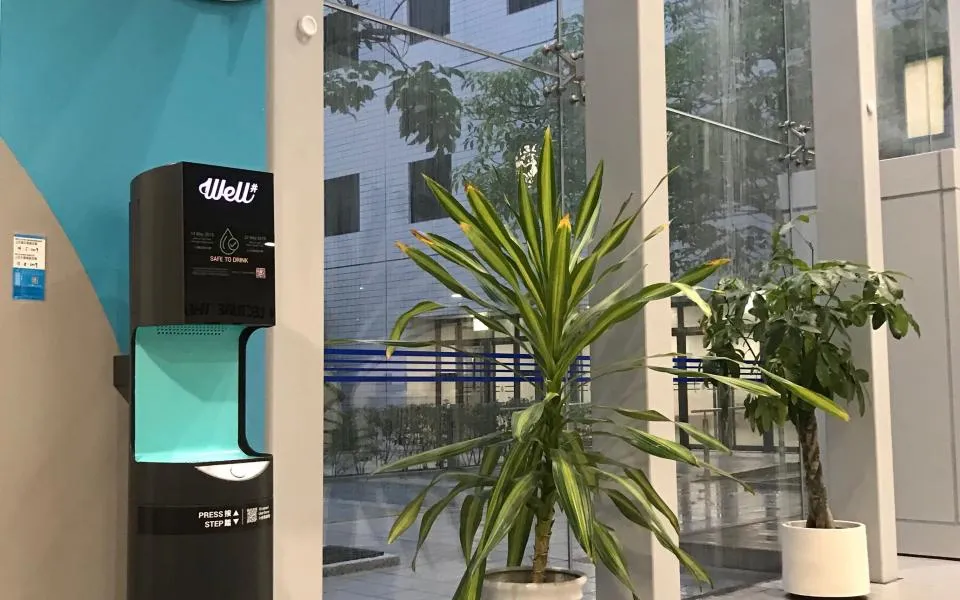
Urban Spring Smart Hub will be plugged into 50 standard mechanical drinking water dispensers to read water consumption & operational data in order to enable efficient drinking water facility management and to demystify water quality to the HKUST community.
Policy
Prevention of Water Contamination
HKUST has strict regulations on the disposal of hazardous materials and liquid effluent. The Disposal of Hazardous Materials and Items under Regulatory Control stated our strict regulations for the disposal of hazardous materials such as chemical, radioactive, and biological wastes. In terms of Liquid Effluent, HKUST follows environmental standards set by the Environmental Protection Department, conducts regular monitoring and analysis, and prohibits the disposal of hazardous materials into the sewer system. These Guidelines aims to protect water resources and the environment, and prevent contaminations from entering water bodies, safeguarding water quality, ensuring access to clean water and sanitation for everyone.
Water Discharge Guidelines & Standards
HKUST prioritizes protecting and enhancing water quality in our surrounding environment to safeguard ecosystems and the health and well-being of people and communities. The Water Discharge Guidelines & Standards by the university enforces stringent hazardous waste controls, allowing only neutralized pH 6-10 substances in wastewater, while conducting regular monitoring and chemical analysis. Construction runoff is minimized, and catering outlets must use eco-certified cleaning products to ensure responsible water stewardship for ecosystem and community health.
Watershed Management Strategy
Stormwater drains discharge directly into the nearest body of water without treatment. Therefore, proper management and care are crucial for protecting surrounding watersheds. HKUST has implemented several watershed management initiatives to control pollutant contributions from both stormwater and non-stormwater discharges. These efforts aim to safeguard the watersheds affected by the university's operations. The Watershed Management Strategy efforts are integral to HKUST's comprehensive approach to environmental stewardship.
Collaborations
HKUST Launches Landmark UNESCO-Backed Initiative for Climate Resilience and Sustainability
HKUST has launched SEPRESS (Seamless Prediction and Services for Sustainable Natural and Built Environments), a global transdisciplinary "research-to-operation" initiative endorsed by UNESCO as part of its International Decade of Sciences for Sustainable Development. Led by Prof. LU Mengqian, the program aims to transform weather-to-climate prediction research into scalable solutions for climate resilience, with a focus on Least Developed Countries. Over the next decade, SEPRESS will collaborate with 12 partners across Asia and Africa, addressing seven key areas including water resources, clean energy, disaster risk reduction, and inclusive economic growth.
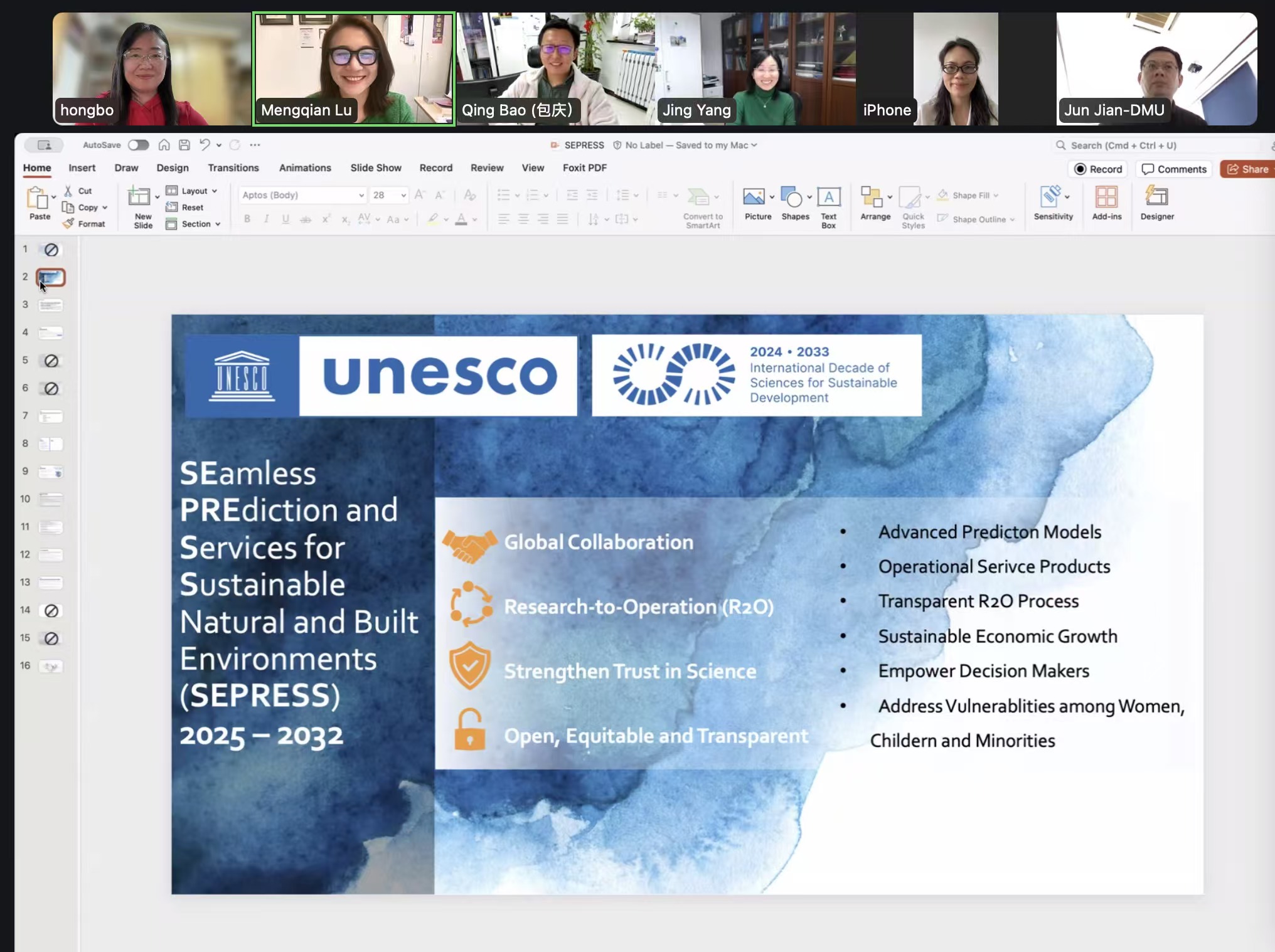
The “Seamless Prediction and Services for Sustainable Natural and Built Environments” (SEPRESS) program led by HKUST, has been endorsed by the United Nations Educational, Scientific and Cultural Organization (UNESCO) as part of its International Decade of Sciences for Sustainable Development (IDSSD). In April, its founding members held their first meeting online to discuss future collaborations aimed at developing actionable solutions to promote global sustainability.
HKUST's Phosphate Removal System Wins HKIE Environmental Paper Award
A team led by Prof. Irene LO at HKUST, collaborating with the Water Supplies Department, won the HKIE Best Environmental Paper Award for a pilot-scale phosphate removal system tested at Lam Tsuen River. Using HKUST's patented adsorbents, the system removed about 91% of orthophosphate and 78% of total phosphorus over eight months. The adsorbents can be reused, making the system cost-effective and scalable. The award highlights successful academia-government collaboration on sustainable water solutions.
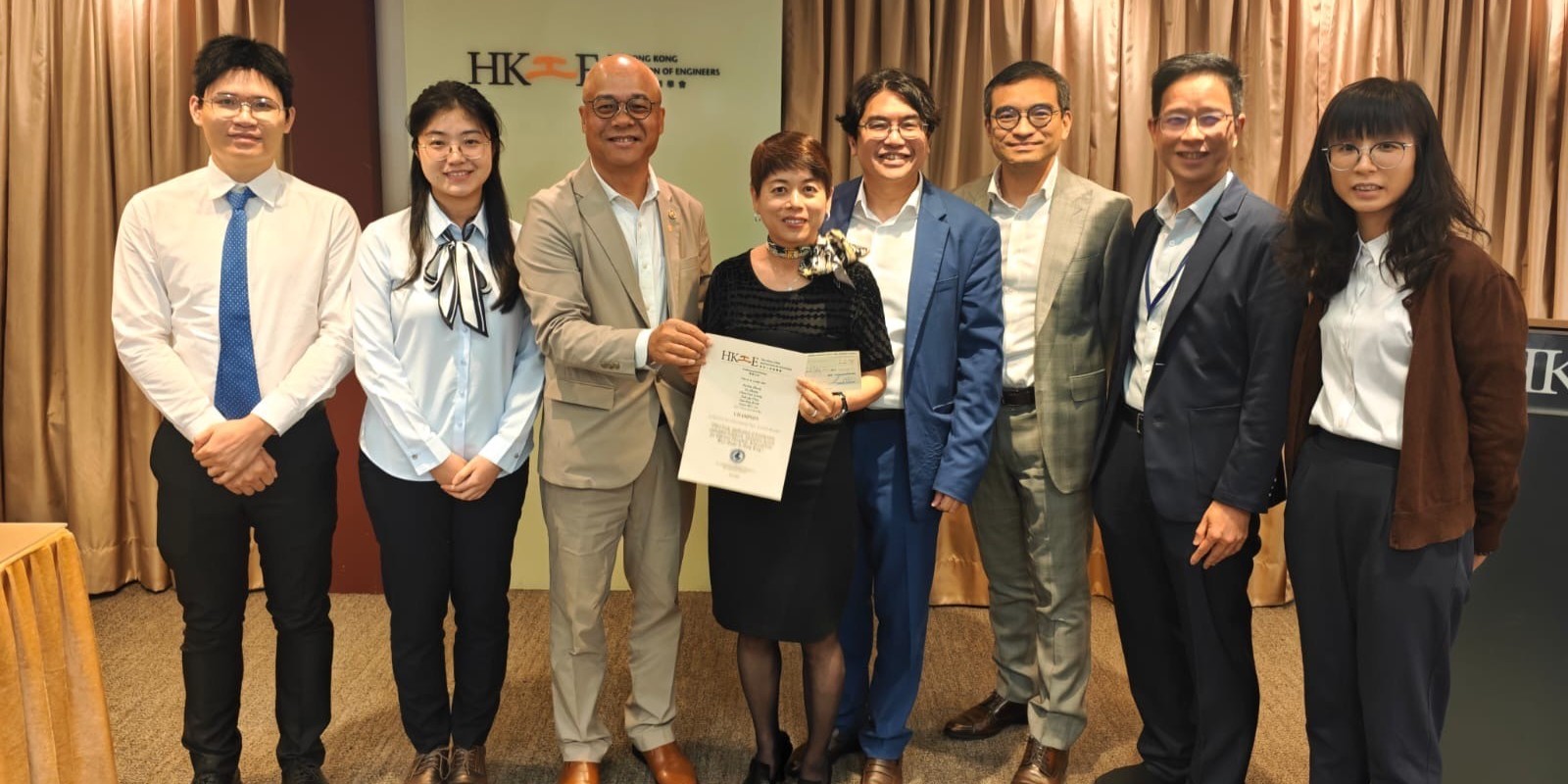
(From left to right) Dr. Zheng Zexiao (Research Assistant Professor of HKUST), Ms. Zhang Yu (PhD candidate of HKUST), Ir Dr. Raymond K. L. Chan (Chairman of the HKIE Environmental Division), Ir Prof. Irene Lo (Chair Professor at HKUST), Mr. Roger Wong Yan-Lok (Director of the Water Supplies Department (WSD)), Mr. Gary Yip Ka-Chun (Assistant Director of WSD), Mr. Kwok Yau-Ting (Project Assistant Secretary (Water Safety) of Development Bureau) and Ms. Leung Chui-Fan (Chemist of WSD)
Water Facilities
Free Drinking Water for Students, Staff and Visitors
HKUST takes pride in its clean and safe drinking water supply, backed by government monitoring and adherence to international guidelines. With over 150 water fountains equipped with filters and UV disinfection systems across the campus, the university ensures the best quality water for its community. HKUST conducts regular monitoring and testing, maintenance and upgrading of the fountains.
Smart Showerheads as an Eco-friendly Shower Hack
To help conserve precious natural resource, HKUST has recently launched a new Water Conservation Initiative (WCI) and installed 85 smart showerheads in two halls of residence. The pilot project’s aim is to encourage the halls’ undergraduate residents to make conservative use of water to shower as they are more aware of their water consumption.
Cutting water consumption to as little as 6.6L per minute, the showerheads’design is extremely water-efficient. The quoted figure is roughly 26% less than conventional shower units rated Grade 1 by the Hong Kong Water Supplies Department's Water Efficiency Labelling Scheme.
Data
Recording and Processing Water Data
HKUST is committed to limit potable water consumption to less than 500,000 cubic meters by 2028, a bold challenge due to the growth in our campus buildings and population. The university has taken actions to track water consumption, specifically potable water supplied, while also applying conservative measures by using seawater from the Clear water Bay. The performance data tracked is shared on the Water Performance website.
Operation
Catering Services Water Consumption
Caterers are the second largest water consumers at the University. Water is primarily used for thawing frozen meat by directly flushing it for several hours.
To reduce avoidable water consumption, the University has tested a pump system to aerate the water sink. Results indicate that with the pump system, caterers can use 33.3% less potable water per thawing process to achieve the same thawing results. Alternatively, caterers may employ the refrigerator thawing method, which takes longer but eliminates water use for thawing.
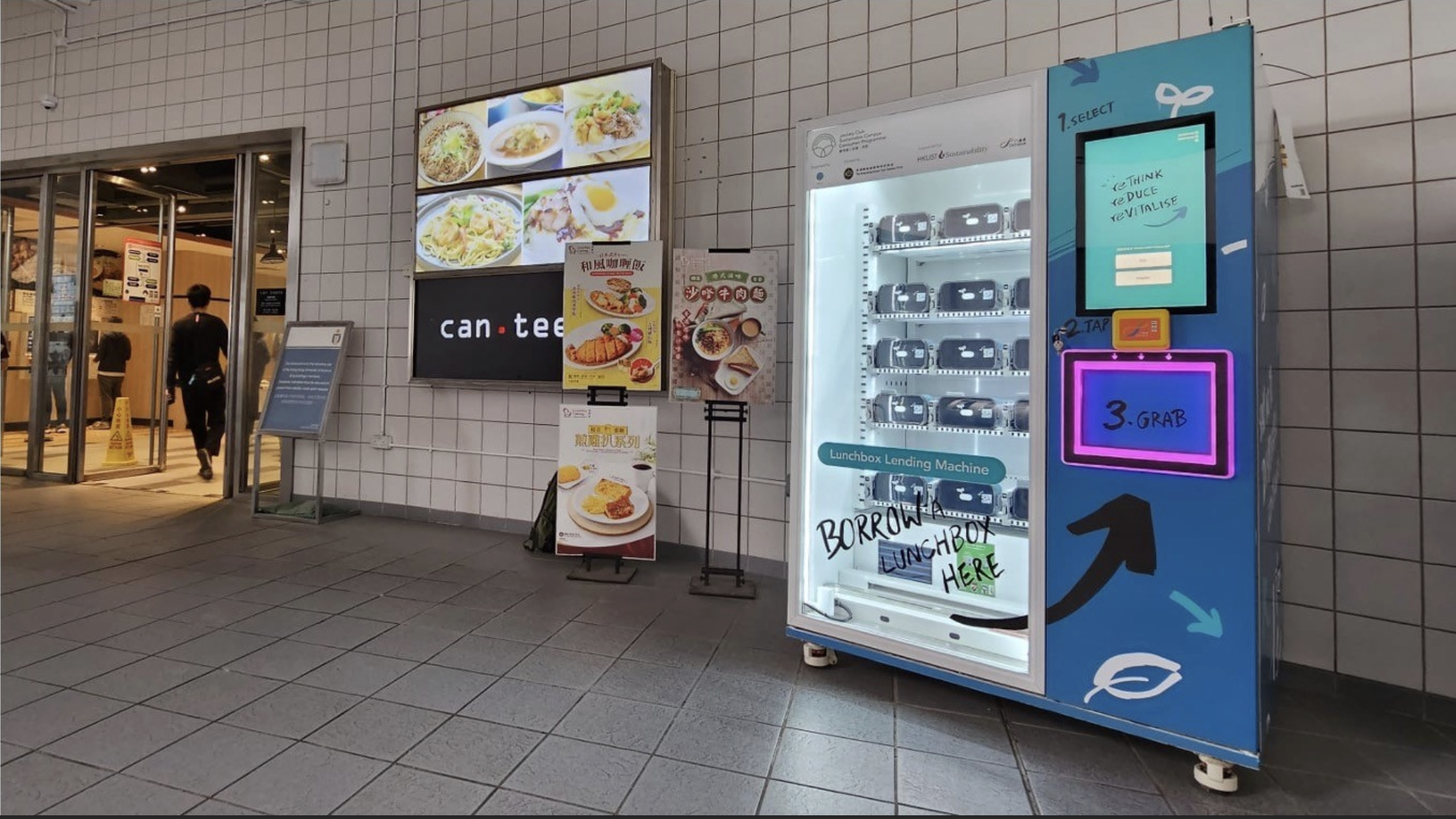
HKUST Institute for the Environment
The Institute for the Environment (IENV) at HKUST focuses on water technology and resource management to address pressing issues related to water resources in Hong Kong, the Pearl River Delta region, and Mainland China. IENV conducts interdisciplinary research to develop innovative solutions in areas like water and wastewater treatment technology, urban water resource management, micro-pollutant control, and the effects of rainwater and flooding on natural environments. The institute aims to contribute to sustainable development by advancing water technology and sound resource management practices. The research conducted by IENV has the potential for significant local and global impact in addressing water-related environmental challenges.