SDG 7: Affordable and Clean Energy
HKUST seeks to be a regional leader in prioritizing clean energy sources, promoting energy efficiency, and expanding renewable energy infrastructure. We aim to be a global leader in energy research and development, influencing policies and strategies while setting an example for sustainable development in Hong Kong and beyond. Through our campus operations and community engagement initiatives, HKUST plays an active role in renewable energy adoption and carbon emissions reduction.
Curriculum
Common Core Program
The Common Core Program requirements are mandatory for all undergraduate students, ensuring every graduate has the opportunity to engage with sustainability. For the 2024-25 academic year, over 20 Common Core courses are directly related to Sustainability and the SDGs, making sustainability education an integral part of the foundational curriculum for all students.
Extended Major in Sustainability
For students seeking deeper engagement, the Extended Major in Sustainability is available in combination with Science, Engineering, Business, Humanities and Social Science, and most Academy of Interdisciplinary Studies majors. In 2024-2025, it offers 55 courses covering a range of SDG topics, providing an interdisciplinary pathway for students across disciplines.
Other Relevant Programs
Additional specialized degree programs further integrate SDGs into the curriculum, including the BSc in Environmental Management and Technology (EVMT) , the BSc in Sustainable and Green Finance (SGFN) , and the BSc in Ocean Science and Technology (OST). These multi-disciplinary programs equip students with the knowledge and skills needed to address specific sustainability challenges.
For more details on the integration of SDGs across the HKUST curriculum, please click here.
HKUST offers courses such as:
ENEG 1700 – Introduction to Energy and Environmental Engineering: Explores the interplay between energy production, environmental impact, and sustainable development through fundamental engineering concepts.
CENG 4140 – Energy Resources, Conversions and Technologies: Covers energy resources and conversion technologies relevant to sustainable energy transitions.
PPOL 3210 – Energy Policy: Analyzes policy frameworks for sustainable energy transitions, including renewable energy deployment and carbon pricing.
PHYS 1003 – Energy and Related Environmental Issues: Introduces the physical principles behind various forms of energy and their environmental impacts.
Research
According to Science Direct, from 2021 to 2025, HKUST published 2,095 research papers addressing SDG 7.
14.5% of them are in the top 10% cite score and around 75.4% are internationally co-authored.
Research Highlights
HKUST's Green Cooling Breakthrough: World's First Kilowatt-Scale Elastocaloric Device
HKUST researchers have developed the world's first kilowatt-scale elastocaloric cooling device, achieving a cooling power of 1,284 watts and demonstrating the potential for commercial application of zero-emission solid-state cooling technology. The device uses nickel-titanium alloy tubes and graphene nanofluid to efficiently cool a model house from 30-31°C to a comfortable 21-22°C in just 15 minutes. Published in Nature, this breakthrough offers a promising solution to combat climate change by replacing conventional refrigerants with high global warming potential, with the team now working to commercialize the technology for the global air conditioning industry.
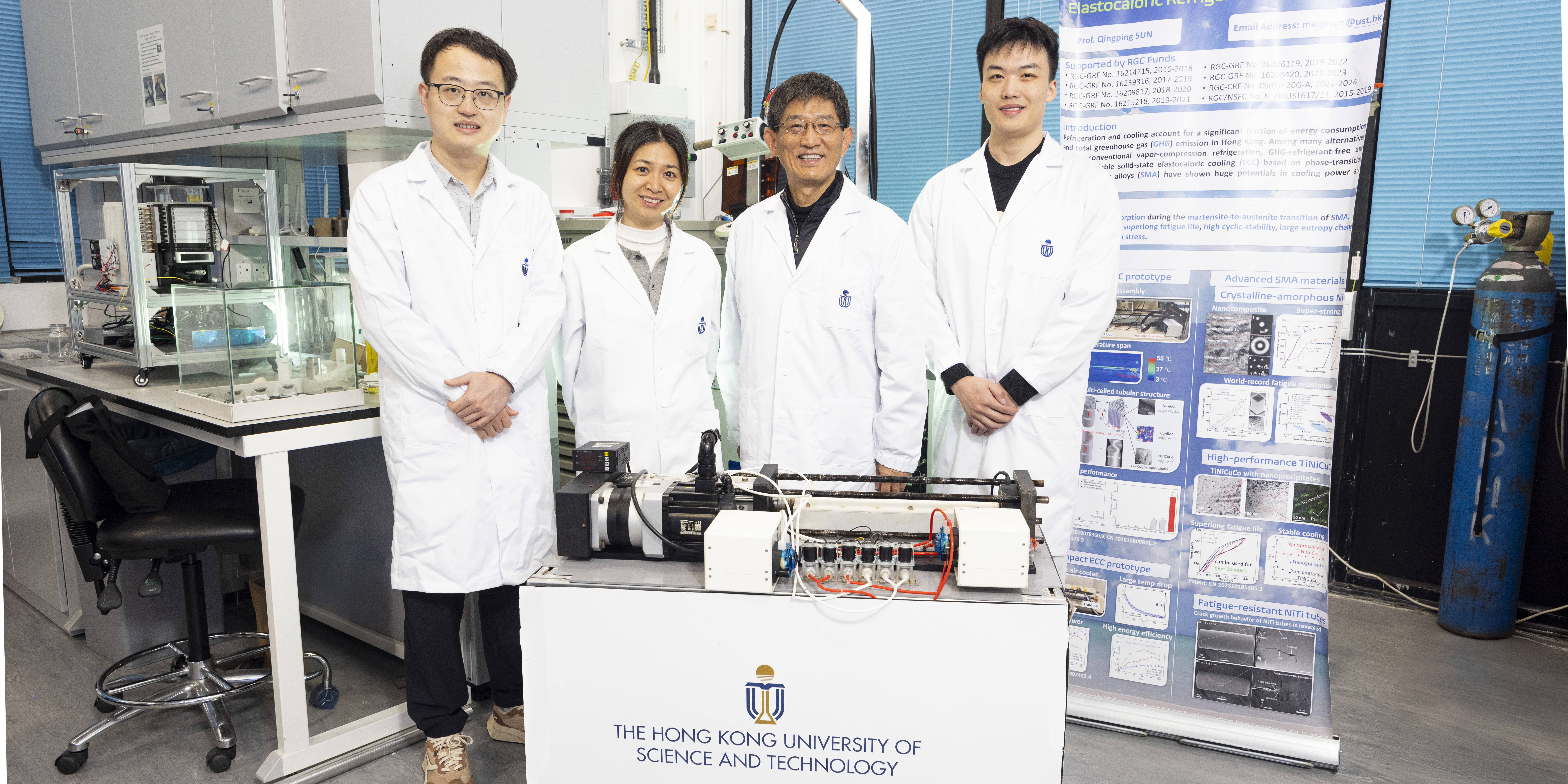
Prof. SUN Qingping (second right) and Prof. YAO Shuhuai (second left), both Professors of the Department of Mechanical and Aerospace Engineering (MAE), MAE Postdoctoral Research Associate Dr. ZHOU Guoan (first left), and MAE PhD student LI Zexi (first right) with the world’s first kilowatt-scale elastocaloric green cooling device they develop.
HKUST's New Elastic Alloy Could Revolutionize Green Heating
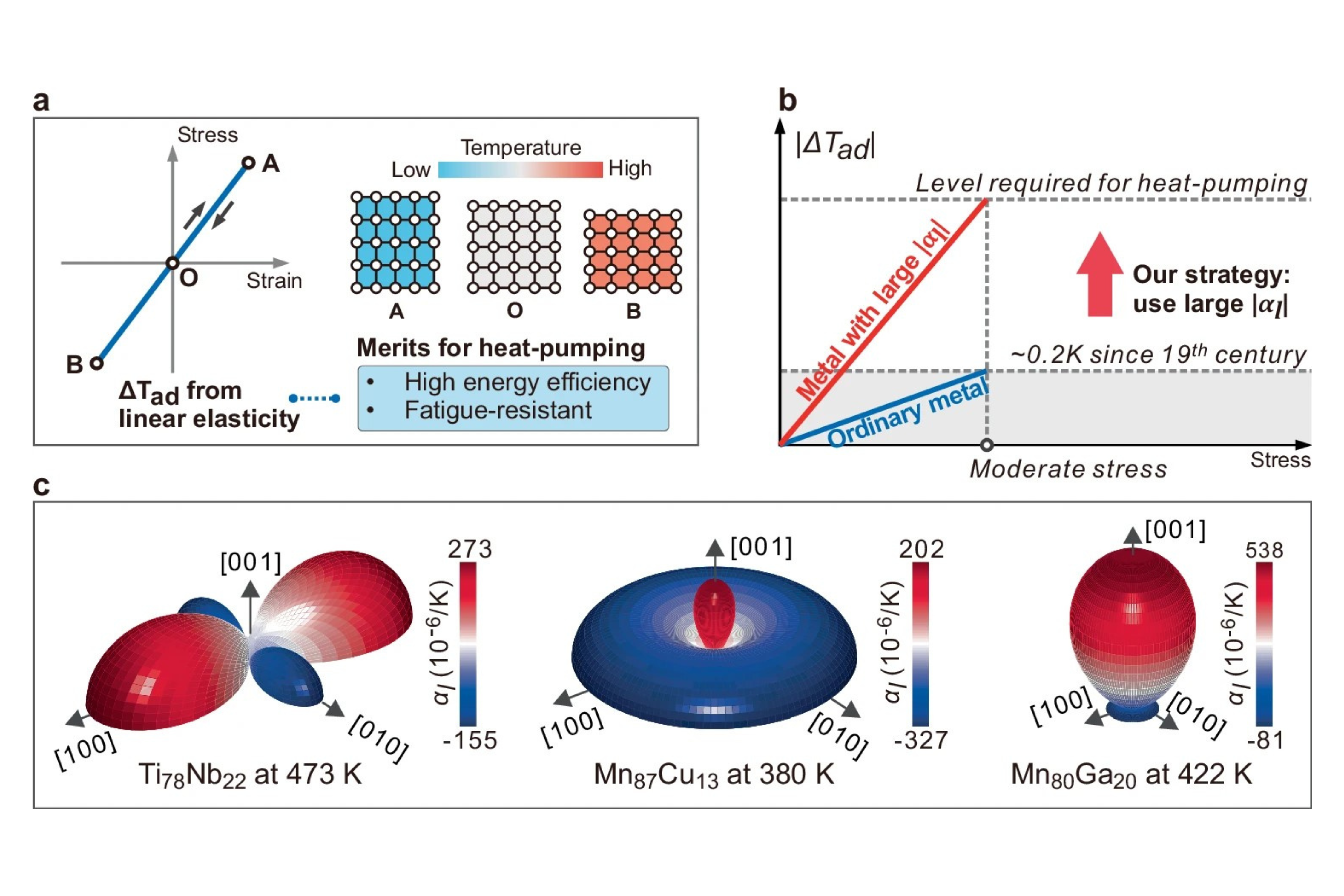
HKUST researchers have developed a novel elastic alloy, Ti₇₈Nb₂₂, that achieves a reversible temperature change 20 times greater than conventional metals and reaches about 90% of the Carnot efficiency limit—comparable to commercial heat pumps. This breakthrough, published in Nature Communications, challenges the long-held belief that the elastic heating effect is too weak for practical use. The alloy offers a green alternative to fossil-fuel-based heating, and the team is now developing prototype heat pumps for industrial applications to support global decarbonization.
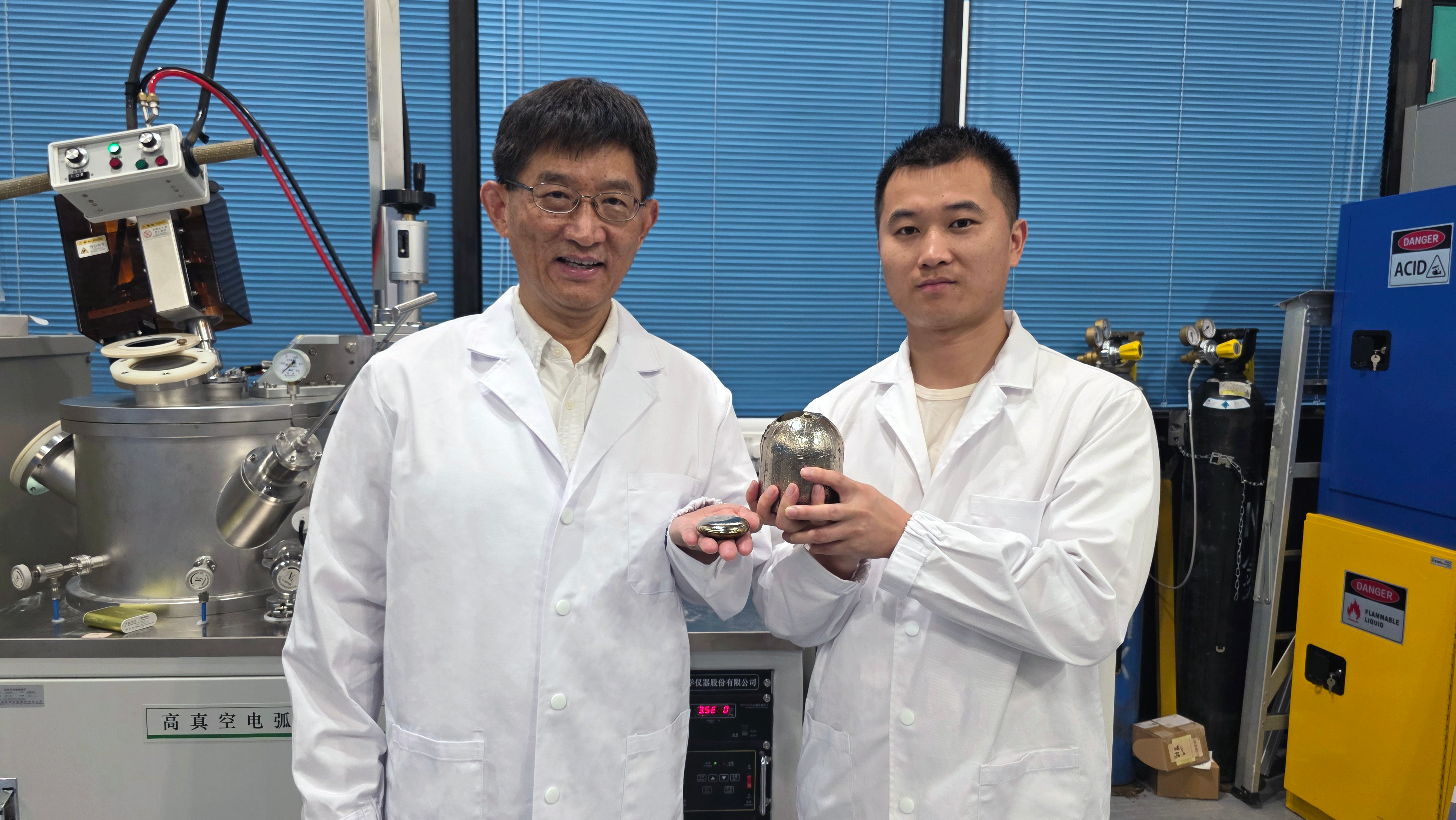
Prof. SUN Qingping (left) and Research Assistant Prof. LI Qiao (right), both from the Department of Mechanical and Aerospace Engineering at HKUST, demonstrate their newly developed Ti₇₈Nb₂₂ elastic alloy.
HKUST Creates Flexible, Full-Color Perovskite Quantum Fiber LEDs for Wearable Displays
A research team led by Prof. FAN Zhiyong at HKUST has developed full-color fiber LEDs that are flexible, stretchable, and suitable for wearable lighting and displays. By growing perovskite quantum wires inside tiny pores on aluminum fibers, the team produced red, green, and sky-blue emitting fibers. This innovation supports affordable clean energy by using low-cost, solution-based processing and low material usage, offering an energy-efficient alternative to traditional LEDs. Published in Science Advances, this work opens new possibilities for integrating sustainable, energy-saving lighting into clothing and wearable technology.
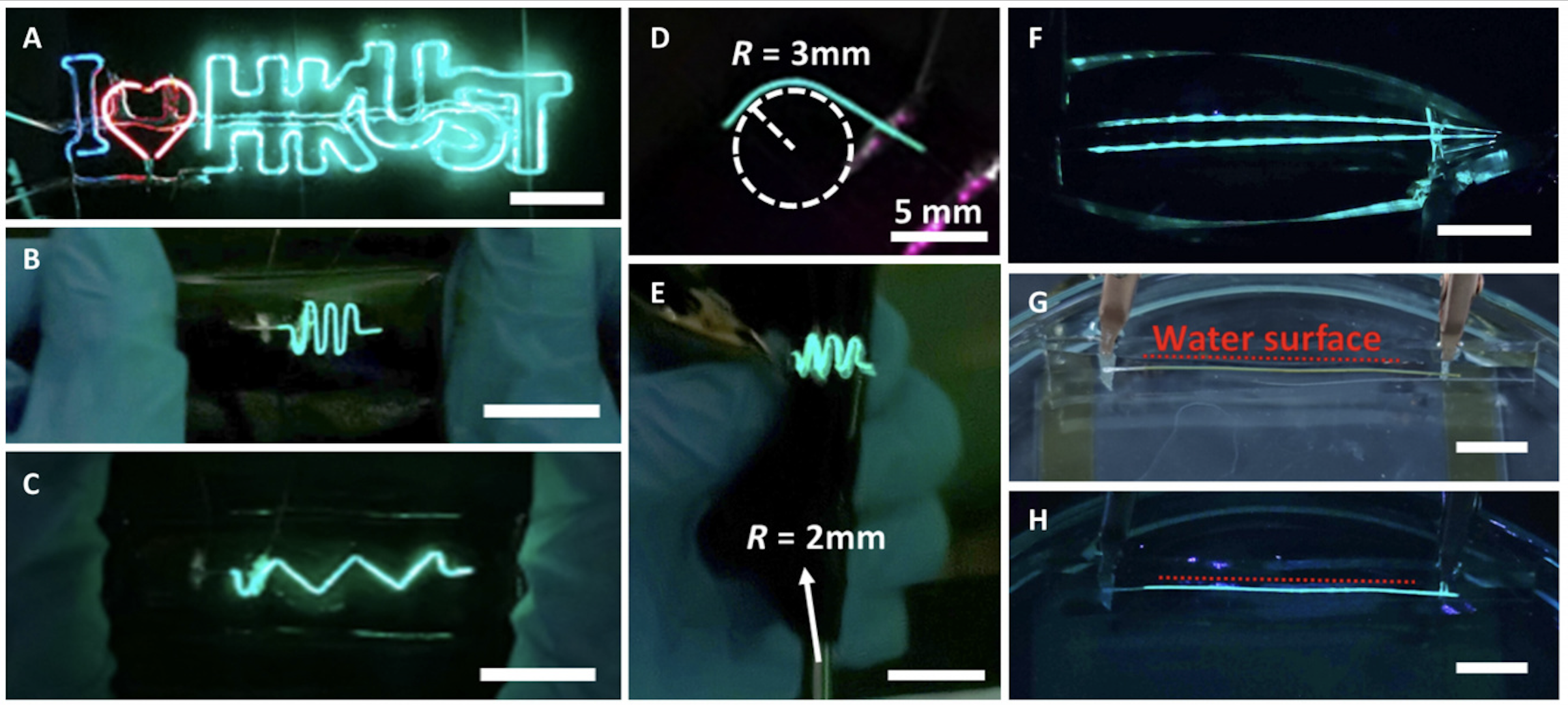
HKUST's Green Cooling Device Breaks World Record with 75K Temperature Lift
HKUST researchers have developed an eco-friendly elastocaloric cooling device that breaks the world record with a temperature lift of 75 K—surpassing the previous record of 50.6 K—while boosting efficiency by over 48%. Using a multi-material cascade of nickel-titanium alloys, the team overcame the limited temperature lift that had hindered commercialization. Published in Nature Energy, this innovation eliminates high-global-warming-potential refrigerants, offering a greenhouse-gas-free, energy-efficient solution for cooling and heating—a sector that accounts for 20% of global electricity consumption.
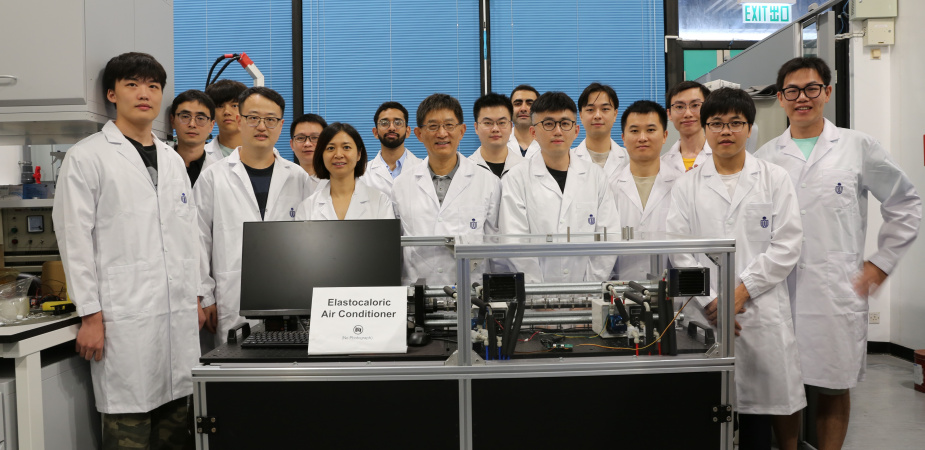
Prof. Sun Qingping (front row, fourth left), Prof. Yao Shuhuai (front row, third left), both Professors of Department of Mechanical and Aerospace Engineering (MAE), MAE Postdoctoral Research Associate Dr. Zhou Guoan (front row, second left), MAE PhD student Li Zexi (front row, first left), and other members of the research team with their elastocaloric air conditioner.
HKUST Develops Advanced Solid-State Electrolytes for Safer, High-Performance Batteries
HKUST researchers led by Prof. Yoonseob KIM have developed a new solid material for lithium-metal batteries that safely and efficiently conducts electricity at room temperature. By combining two specially designed compounds, the team created a solvent-free electrolyte that helped a battery retain 87% of its capacity over 800 charge cycles. This breakthrough supports affordable and clean energy by making batteries safer and more durable for electric vehicles, portable electronics, and power grids, advancing the adoption of next-generation energy storage. The findings were published in Advanced Energy Materials.
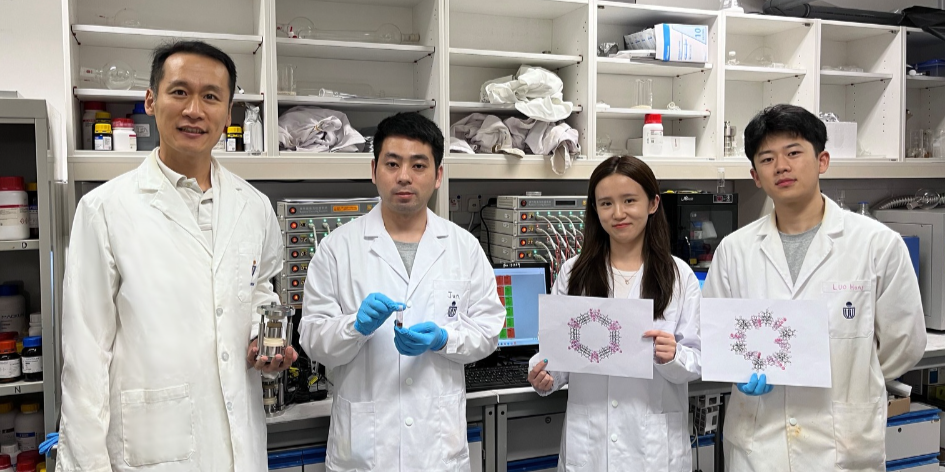
(From left) Prof. Yoonseob Kim, Assistant Professor of the Department of Chemical and Biological Engineering at HKUST, and his PhD students: Huang Jun (the first author of the paper), Li Chen and Luo Hang
HKUST Discovers "Secret" Hidden Structure to Boost Perovskite Solar Cell Efficiency and Stability
HKUST researchers led by Prof. ZHOU Yuanyuan have discovered that surface concavities on perovskite crystal grains limit the efficiency and stability of perovskite solar cells. By using a surfactant molecule to remove these concavities, the team significantly improved the cells' performance under thermal cycling, damp heat, and continuous operation tests. This breakthrough advances perovskite solar technology—which offers lower costs, sustainable manufacturing, and higher efficiency than silicon cells—bringing it closer to commercialization for grid electricity, portable power, and space applications.
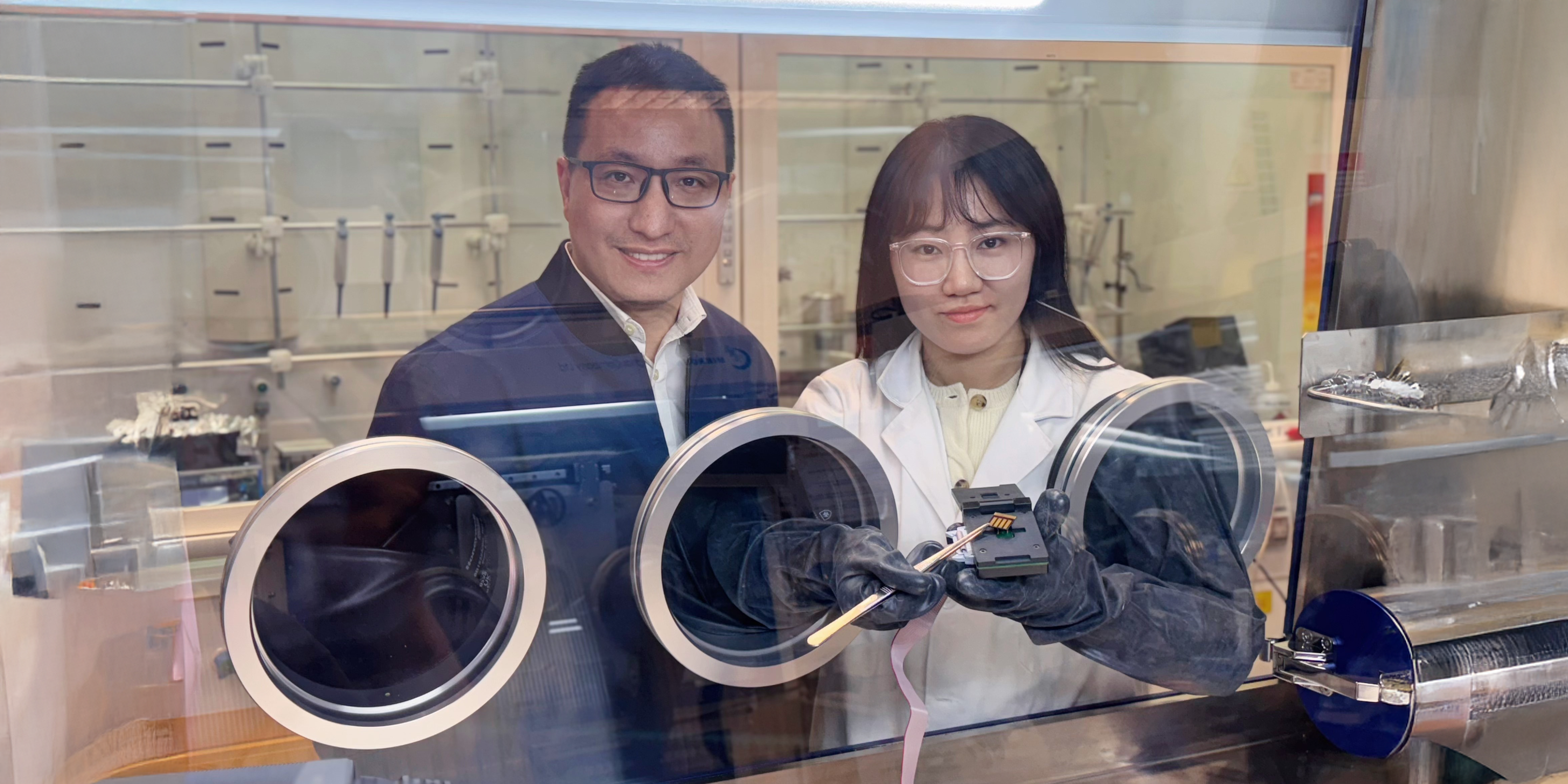
Prof. Zhou Yuanyuan (left) and Dr. Hao Mingwei (right) demonstrate a stability test of their newly developed cation-homogenized perovskite solar cells.
HKUST Introduces City's Largest Liquid Immersion Cooling Technology for Sustainable AI
HKUST has launched Hong Kong's largest liquid immersion cooling system in its research computing facility, reducing cooling energy consumption by over 80% and cutting annual carbon emissions by 900 tons—a 45% reduction compared to traditional air cooling. The system saves approximately HK$3 million in electricity costs annually while achieving over 10% improvement in performance per watt. The non-corrosive, biodegradable coolant has a lifespan exceeding 10 years, further reducing environmental impact.
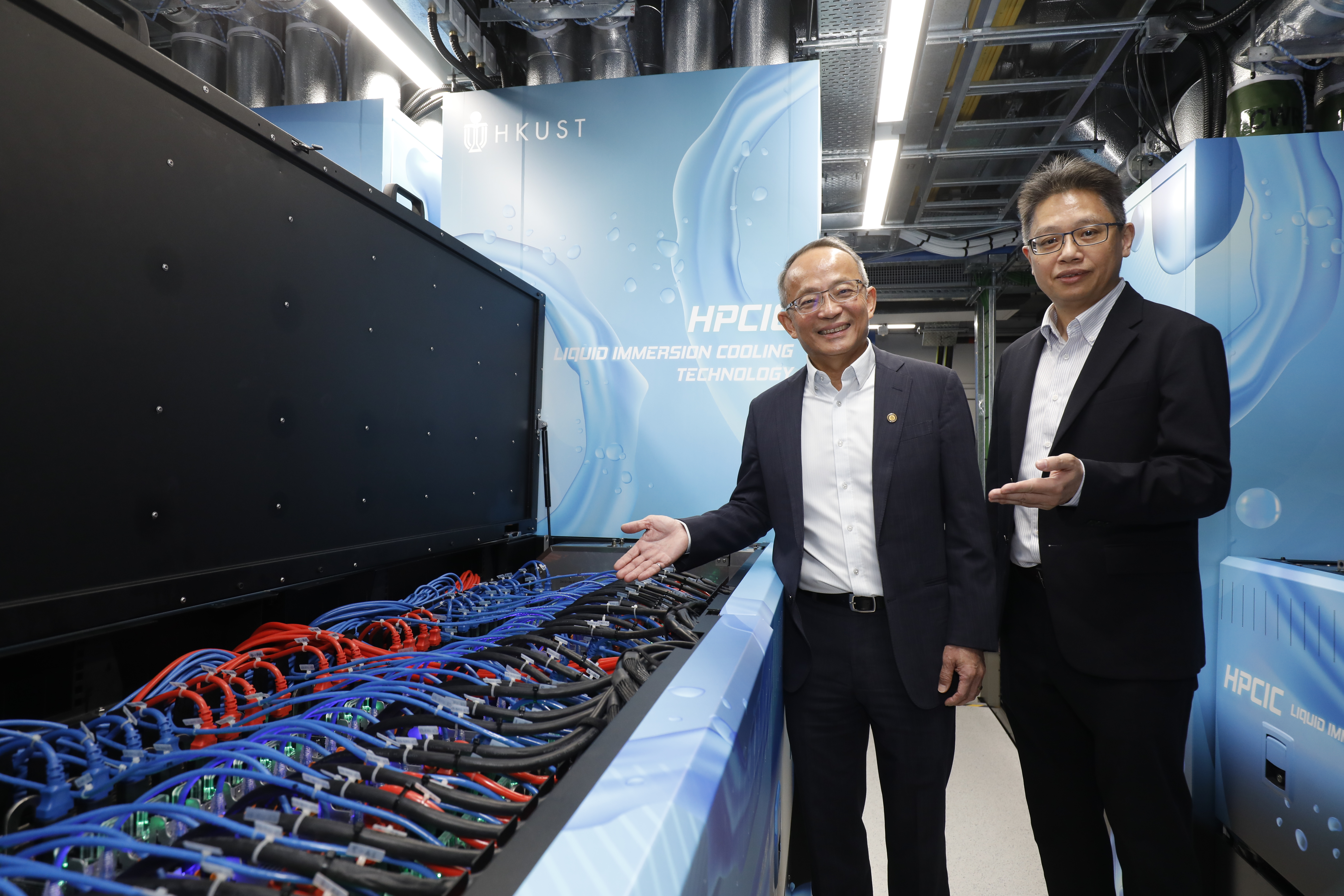
HKUST Vice-President for Research and Development Prof. Tim CHENG (left) and Director of HKUST’s Information Technology Services Center Dr. Samuel KWAN introduce the city’s largest Liquid Immersion Cooling system launched by the University.
Policy
HKUST Net-Zero Building Standards
HKUST is committed to improving the energy efficiency of its new buildings as well as renovation projects through the implementation of newly updated HKUST Net-Zero Building Standards. The requirements outlined include anticipating future energy needs, maximizing metering and monitoring capabilities while keeping a flexible design to accommodate for future new sustainable technologies.
Collaboration
HKUST and CATL Forge Cross-Disciplinary Partnership for Sustainable Energy Innovation
HKUST has entered a five-year strategic partnership with CATL, a global leader in new energy technology, to advance research and talent development in sustainable energy and zero-carbon technologies. The collaboration includes joint research on advanced materials, a venture capital fund for clean energy start-ups, and scholarships for outstanding graduate students. By combining HKUST's research strengths with CATL's industry leadership, this partnership aims to accelerate innovation in affordable and clean energy solutions, contributing to global decarbonization and supporting Hong Kong's role in the new energy sector.
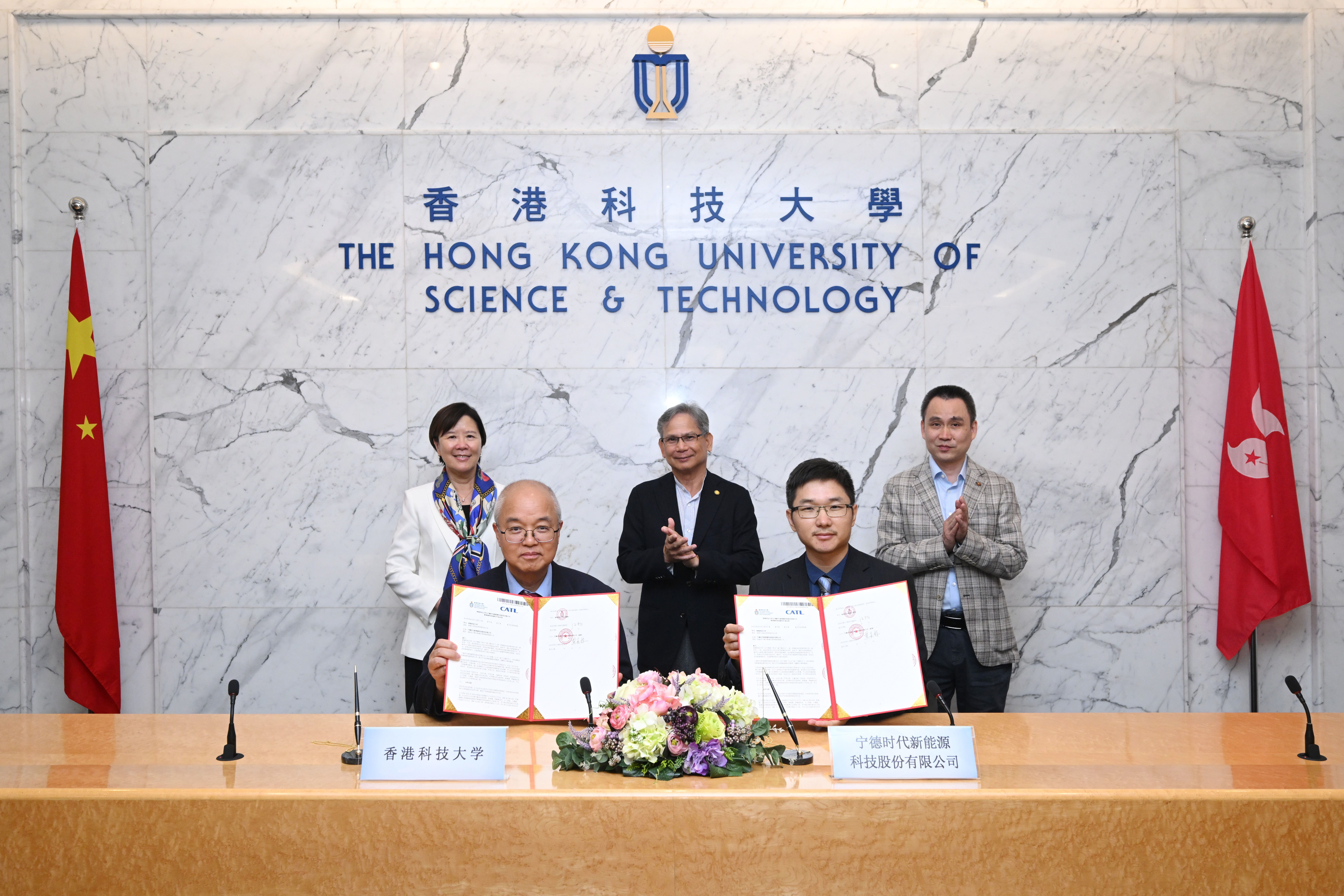
Witnessed by CATL Co-president for Research & Development Prof. OUYANG Chuying (back row, right), HKUST Council Vice-Chairman Prof. Patrick YEUNG (center back) and HKUST President Prof. Nancy IP (back row, left), CATL Vice President and Chief Technology Officer Dr. GONG Jiadong (front right) and HKUST Vice-President for Institutional Advancement Prof. WANG Yang (front left) sign the partnership agreement during the ceremony.
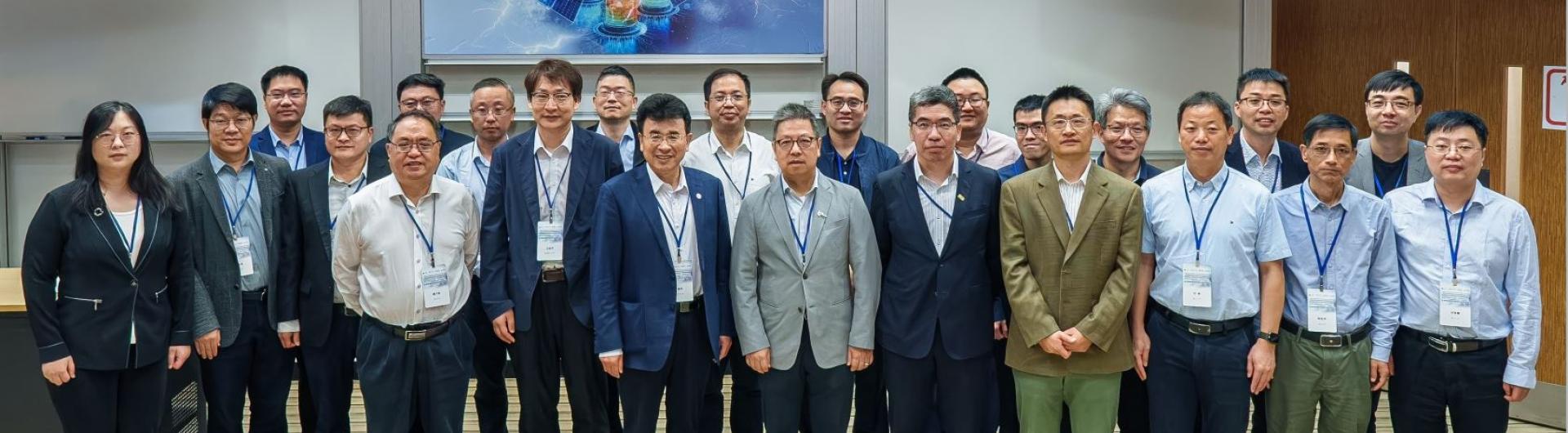
HKUST Hosts NSFC-BHKAEC Joint Symposium on Electrochemical Interfaces for Energy Conversion and Storage
HKUST hosted the NSFC-BHKAEC Joint Symposium on Electrochemical Interfaces in Energy Conversion and Storage from 8–11 November 2024, bringing together over 30 renowned speakers and more than 100 participants. The symposium featured discussions on perovskite solar materials, hydrogen energy, battery health monitoring, solid-state batteries, and CO₂ reduction. The event facilitated cross-disciplinary exchange between Hong Kong and Mainland researchers, identifying future research directions to advance sustainable energy solutions. It also provided a valuable platform for students and young researchers to broaden their scientific horizons and establish collaborations.
Energy Institute Co-Organizes IMLB 2024: Pioneering the Future of Batteries
HKUST's Energy Institute co-organized the 22nd International Meeting on Lithium Batteries (IMLB 2024), held from 16-21 June 2024 in Hong Kong, drawing around 1,500 global experts, researchers, and industry professionals. The conference featured 80 renowned speakers, including 2019 Nobel Prize winner Akira Yoshino, and covered advancements in lithium battery materials and electrochemical processes for enhanced energy storage.
Community Engagement
SSC x Civic Exchange Sustainability Tour
HKUST's collaboration with Civic Exchange, welcoming a group of local high school students to campus to share sustainability initiatives. Energy-efficient projects were presented, including the application of passive radiative cooling technology to enhance solar PV efficiency and a green parking system powered by Edge cameras for EV drivers and carpoolers.
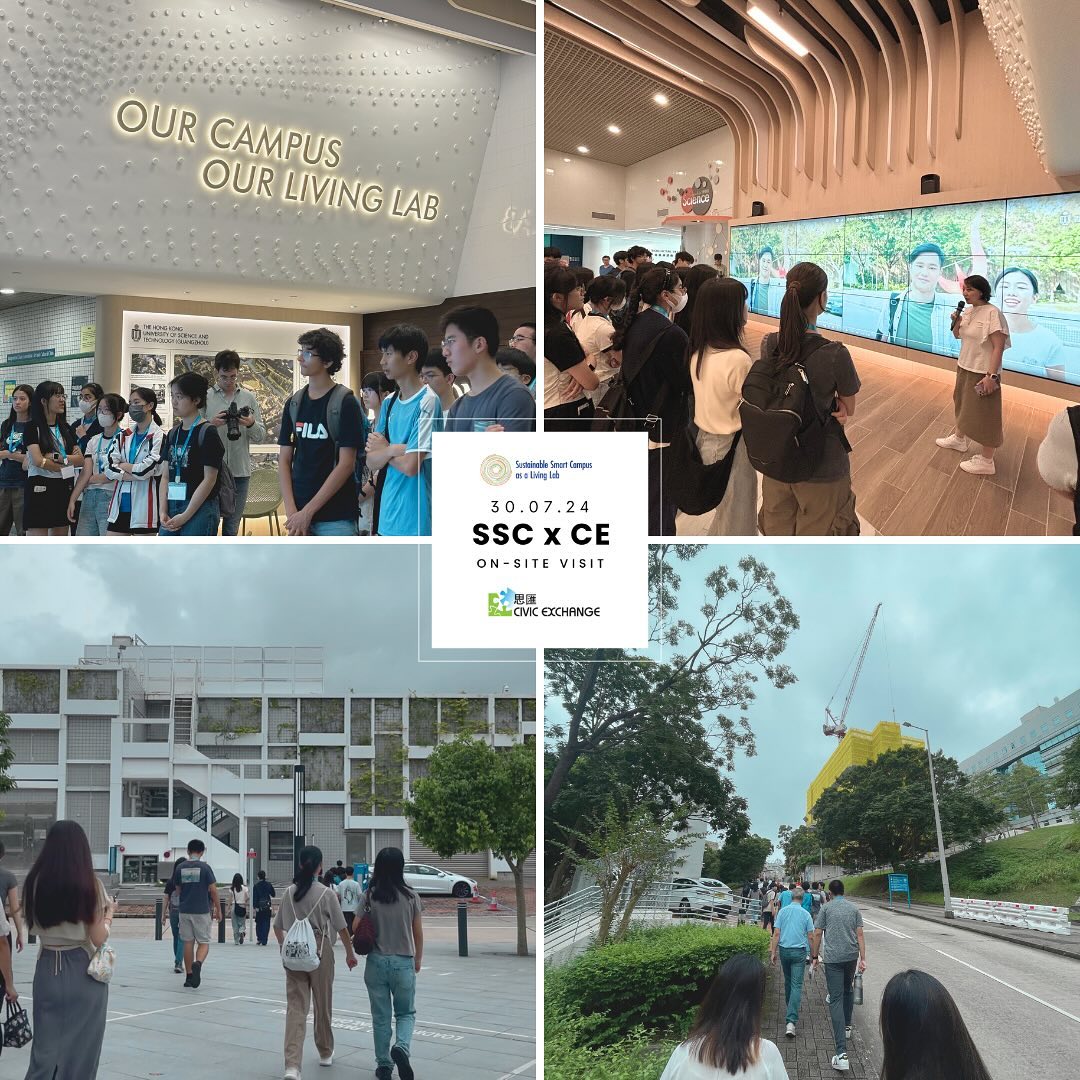
SSC X Civic Exchange Sustainability Tour - 30 July 2024
Operations
Solar PV Expansion
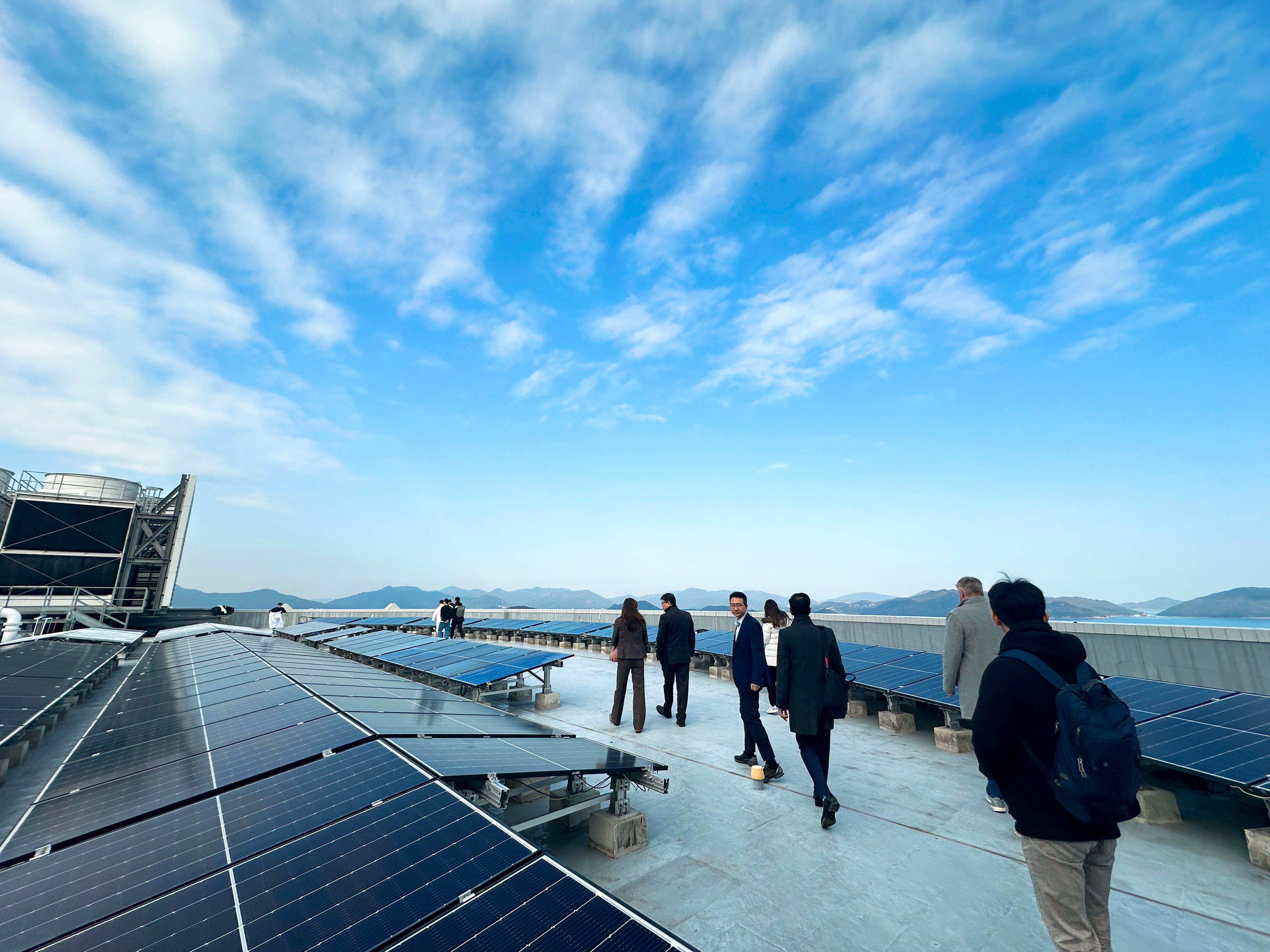
HKUST installed an additional 10 kW of solar panels on the rooftop of staff quarter Tower D. This adds to the University's existing 2.5 megawatt solar photovoltaic system, the largest institutional system of its kind in Hong Kong, which finances the HK$30 million Living Lab climate tech investment through Feed-in-Tariff payments
Renewable Energy Generation
HKUST achieved a record-high 2.7 million kWh of renewable energy generation in 2024/25, a 16.9% increase from the previous year. This corresponds to approximately 3% of total electricity consumption. The increase was attributed to newly installed panels on Tower D and more solar irradiation from hotter days.
Expansion of On-Campus EV Chargers and Replacement of Campus Vehicles with EVs
HKUST expanded its electric vehicle (EV) charging infrastructure to 105 medium-speed chargers and four high-speed chargers, now serving 10% of total parking spaces. The University also electrified its campus fleet, now comprising four electric 7-seater cars and five electric delivery vans, with future plans to replace all non-electric vehicles by 2029/30.
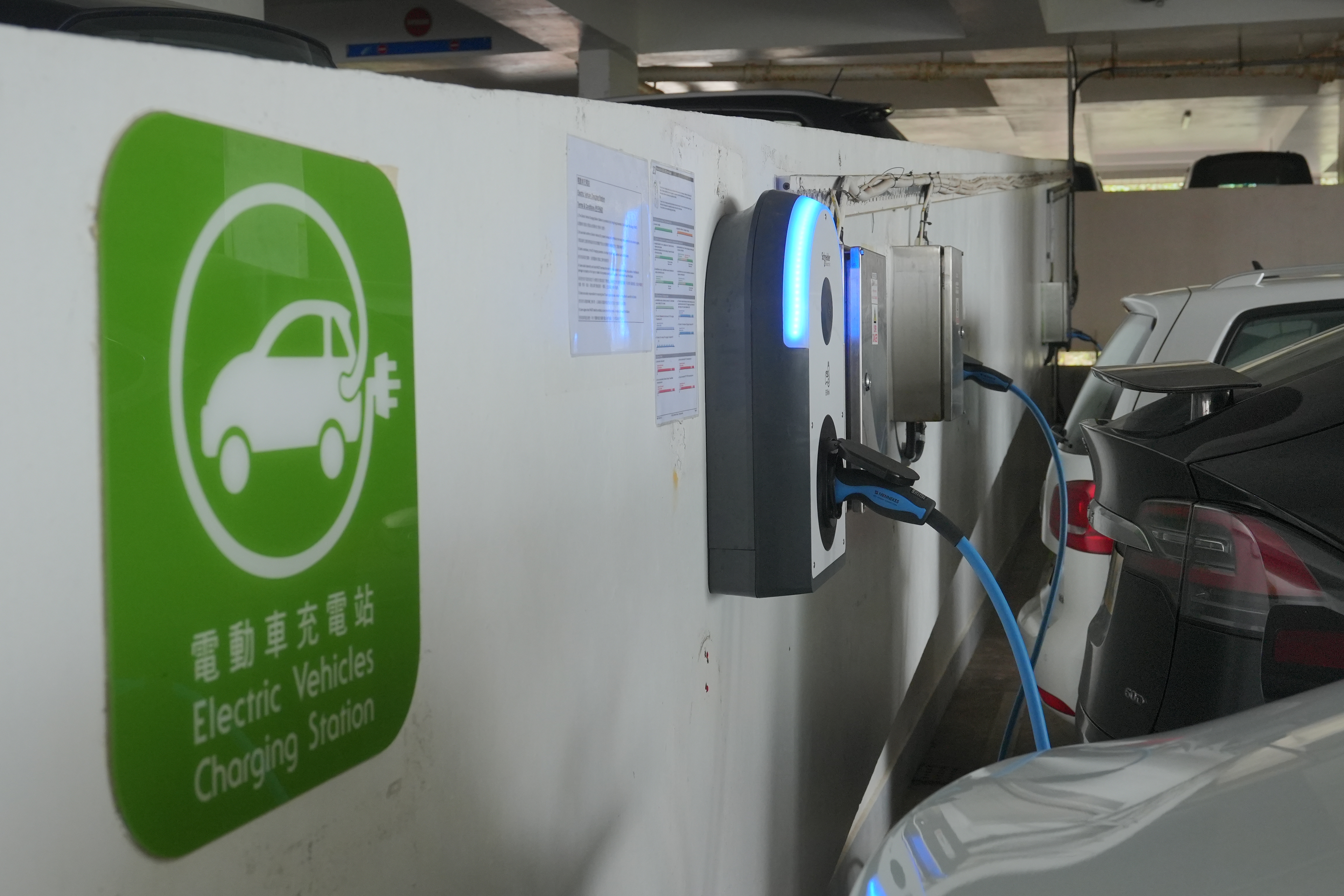
Newly installed Electric Vehicle Charging Stations
Lighting Upgrade
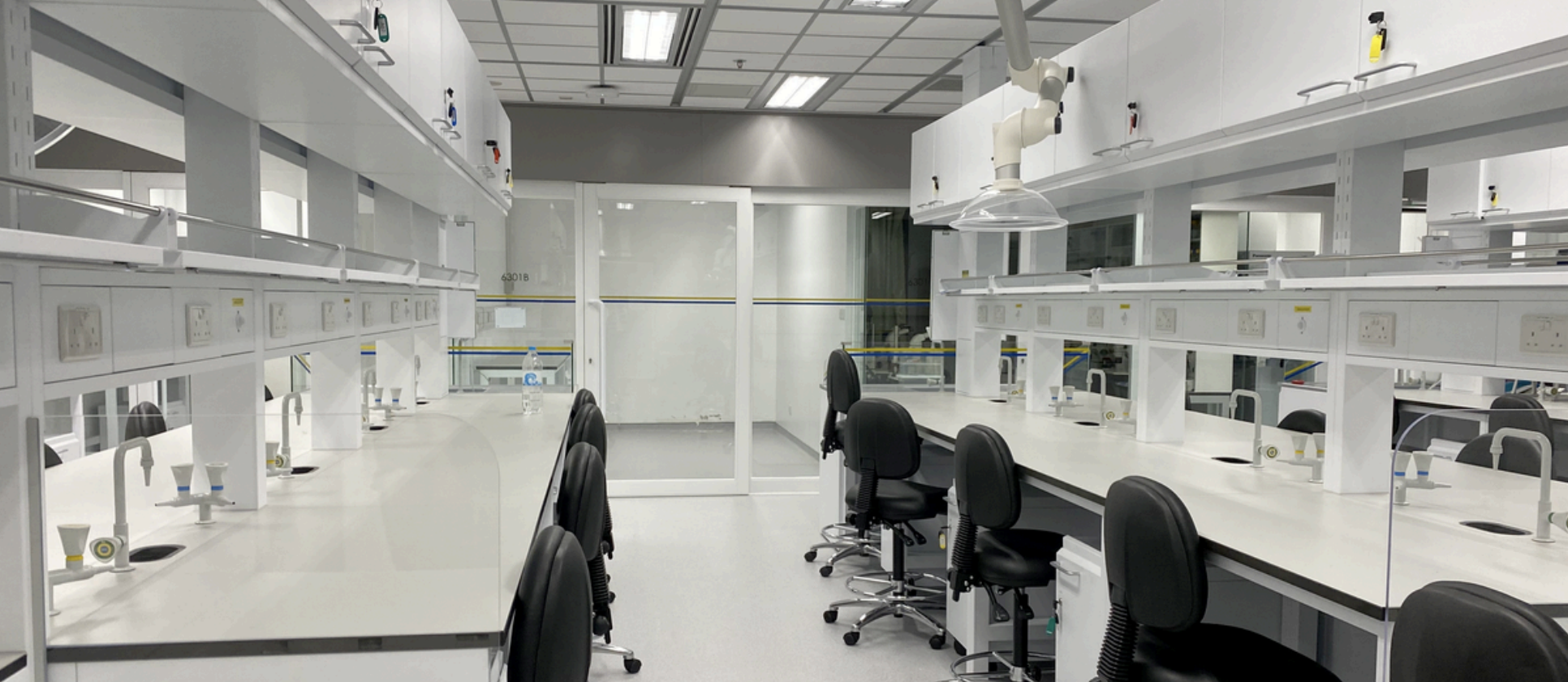
Lighting upgrades have also been a major focus, with 5,500 light fixtures across campus now replaced with LED technology. These LED lights not only consume less energy but also integrate occupancy sensors in stairwells and corridors, automatically turning off when the spaces are unoccupied. This has led to an estimated 267,200 kWh in annual energy savings.
Lift Modernization with Regenerative Drivers
As part of a 10-year plan, seven lifts were modernized this year with the implementation of an energy regenerative drive system, resulting in approximately 30% energy savings for lifts compared to non-regenerative counterparts, or an estimated 13,200 kWh annually.
Immersion Cooling Technology for HPC Cluster
HKUST launched the city's largest liquid immersion cooling system for its high-performance computing facility. The new technology reduces cooling energy consumption by over 80% and is expected to avoid 900 metric tons of carbon emissions annually, saving approximately HK$3 million in electricity costs each year.
Carbon-Capturing Algae Photobioreactor
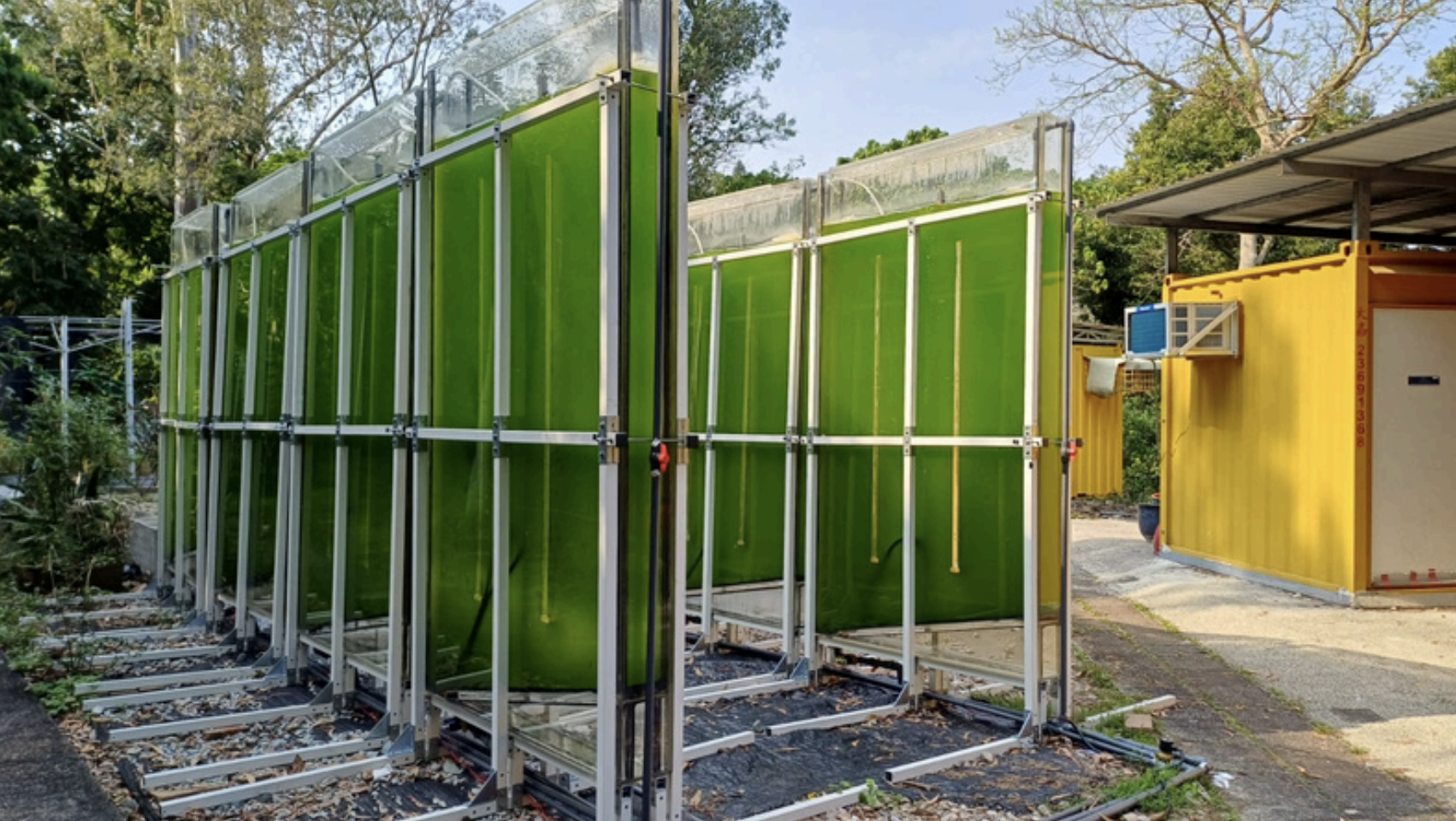
A living lab project developed a fully automatic photobioreactor system that uses algae to capture carbon dioxide from the atmosphere. Developed in partnership with a local start-up, the system also serves as an educational tool, offering students practical insights into sustainable technologies and environmental science.
For more information on HKUST Operations related to Energy and SDG 7, see HKUST Sustainability Report 2024-2025 here