SDG 14: Life below water
Aiming to conserve and sustainably use the oceans, seas, and marine resources for the benefit of present and future generations, HKUST is committed to the protection and restoration of marine and coastal ecosystems and the reduction of marine pollution through our ocean science research and on campus operations and policies.
Curriculum
Common Core Program
The Common Core Program requirements are mandatory for all undergraduate students, ensuring every graduate has the opportunity to engage with sustainability. For the 2024-25 academic year, over 20 Common Core courses are directly related to Sustainability and the SDGs, making sustainability education an integral part of the foundational curriculum for all students.
Extended Major in Sustainability
For students seeking deeper engagement, the Extended Major in Sustainability is available in combination with Science, Engineering, Business, Humanities and Social Science, and most Academy of Interdisciplinary Studies majors. In 2024-2025, it offers 55 courses covering a range of SDG topics, providing an interdisciplinary pathway for students across disciplines.
Other Relevant Programs
Additional specialized degree programs further integrate SDGs into the curriculum, including the BSc in Environmental Management and Technology (EVMT) , the BSc in Sustainable and Green Finance (SGFN) , and the BSc in Ocean Science and Technology (OST). These multi-disciplinary programs equip students with the knowledge and skills needed to address specific sustainability challenges.
For more details on the integration of SDGs across the HKUST curriculum, please click here.
HKUST offers courses such as:
ENVR 1030 – Environment and Health: Examines how environmental factors like water quality and pollution affect human health, using local and regional examples.
OCES 2004 – Sustainable Ocean: Explores the principles of sustainable use and conservation of ocean resources and ecosystems.
OCES 2005 – Coastal Marine Habitats: Introduces local marine habitats through lectures and field trips, focusing on marine ecology, biodiversity, and conservation skills .
Research
According to Science Direct, from 2021 to 2025, HKUST published 321research papers addressing SDG 14.
11.8% of them are in the top 10% cite score and around 83.1% are internationally co-authored.
Research Highlights
HKUST's MarineGPT and XR Dive into Marine Education
HKUST marine scientists have developed an extended reality (XR) game app with immersive VR and an AI platform called MarineGPT to revolutionize marine education. The level-based game transports players through Hong Kong's intertidal habitats, subtidal coral reefs, the South China Sea deep sea, and Malaysian coastal habitats, offering interactive learning on marine biodiversity and conservation.
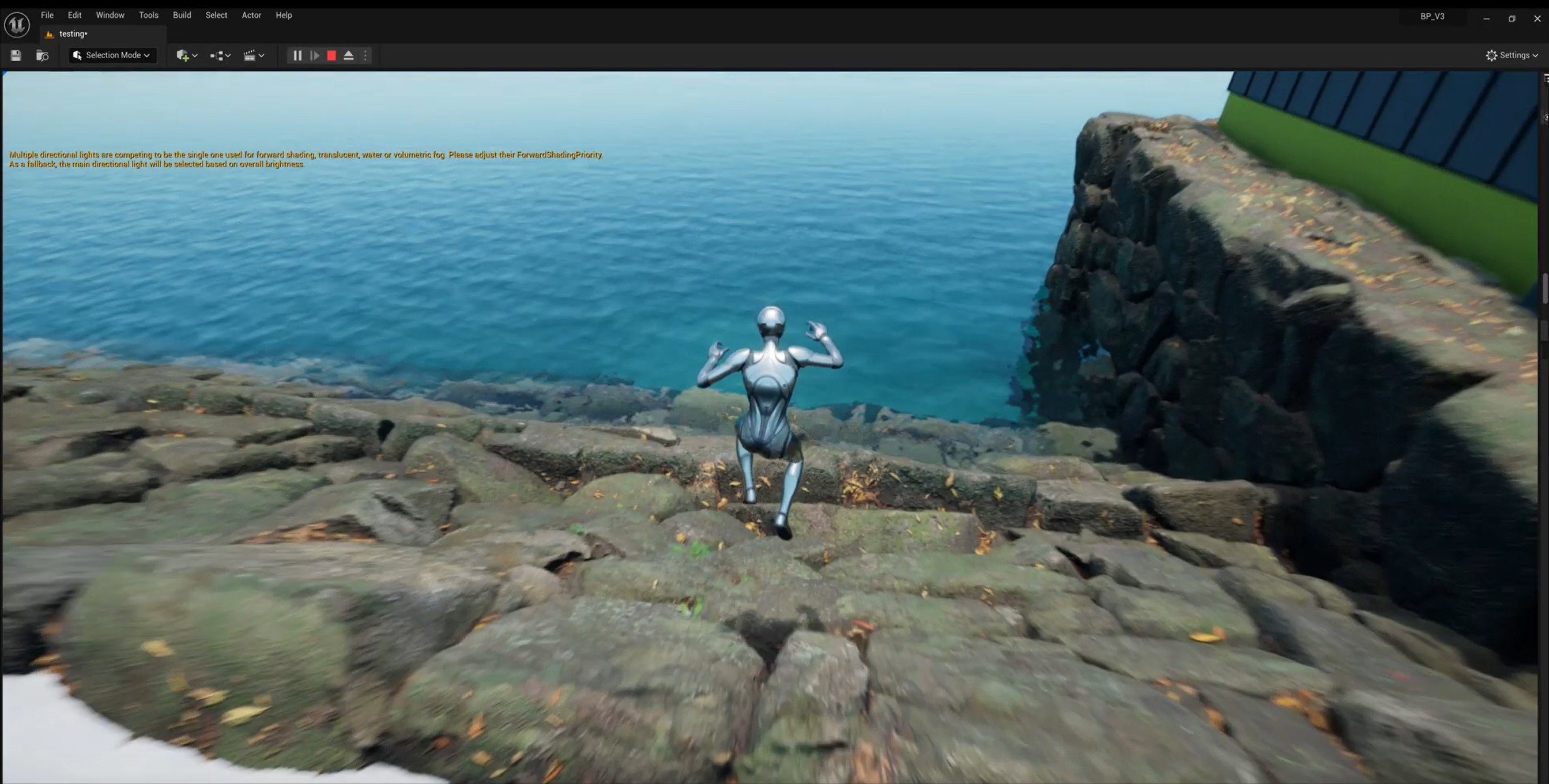
Building the virtual real scene at the HKUST pier above water using 3D mapping technologies
HKUST Discovers Eco-Friendly Disinfectant to Reduce Water Pollution and Protect Marine Life
HKUST researchers led by Prof. ZHANG Xiangru have discovered that 2,6-dichlorobenzoquinone (2,6-DCQ) is 9 to 22 times more effective than chloroxylenol in inactivating common bacteria, fungi, and viruses, while being rapidly degraded and detoxified in receiving waters. Within two days of being discharged into seawater, 2,6-DCQ exhibited 31 times lower developmental toxicity to marine polychaete embryos compared to chloroxylenol—a widely used disinfectant that has been detected in Hong Kong's river waters at concentrations up to 10.6 μg/L, posing risks to aquatic organisms. By replacing a persistent chemical pollutant with a rapidly degradable alternative, this innovation reduces water pollution and protects marine ecosystems.
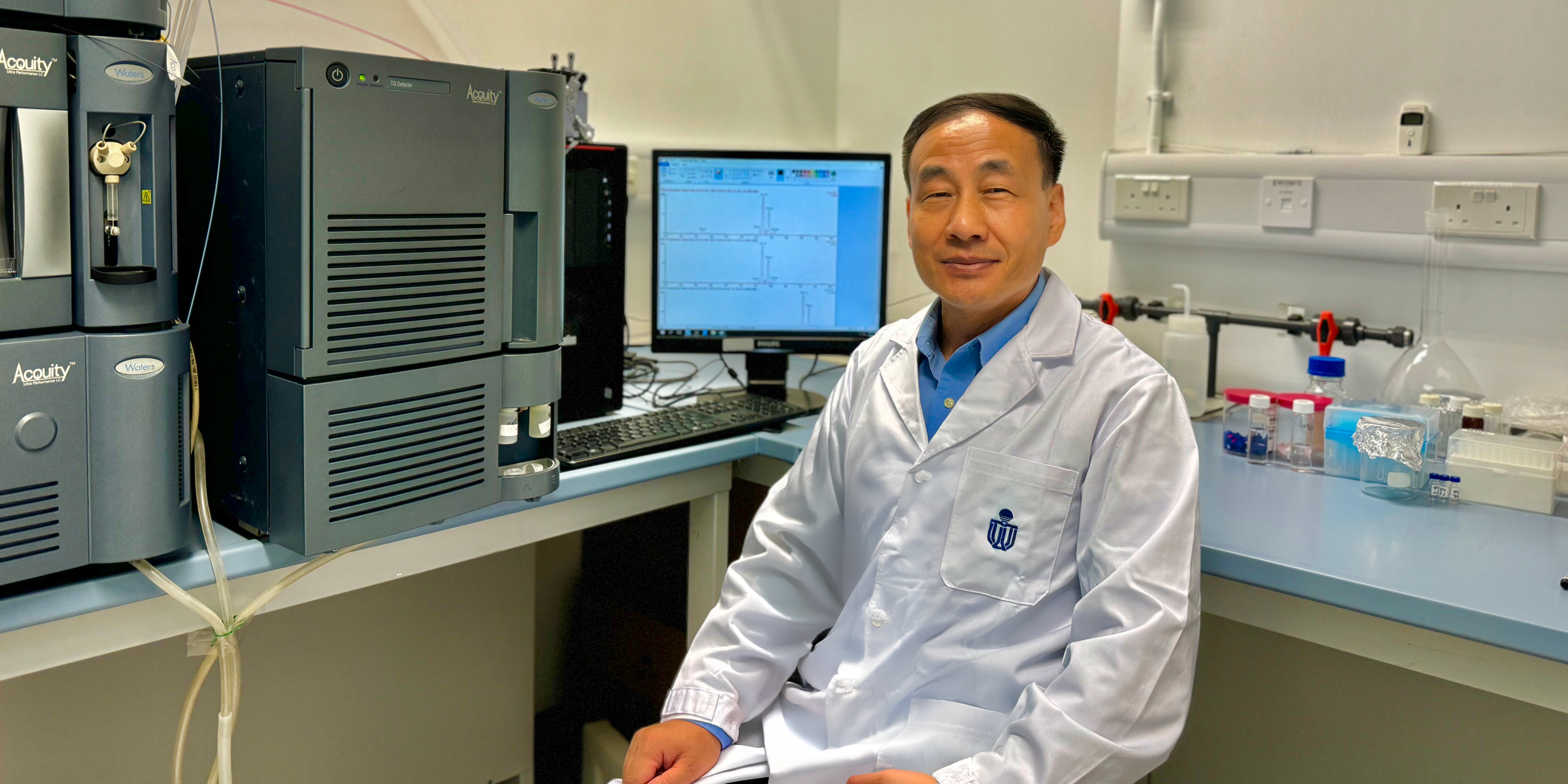
Prof. Zhang Xiangru discovers an effective and rapidly degradable disinfectant. Using the instrument known as “ultra-performance liquid chromatography/electrospray ionization-triple quadrupole mass spectrometry (UPLC/ESI-tqMS)”, he successfully detects the degradation products of 2,6-DCQ and determines the degradation pathway of 2,6-DCQ in seawater.
HKUST Reveals Tiny Ocean Bacteria Structure to Boost Carbon Capture and Climate Action
HKUST researchers led by Prof. ZENG Qinglu have discovered how carboxysomes—carbon-fixing structures in marine cyanobacteria like Prochlorococcus—are assembled, revealing that the RuBisCO enzymes are arranged in three concentric layers and held together by a protein called CsoS2. This breakthrough is particularly significant for life below water, as marine cyanobacteria fix approximately 25% of global CO₂, and understanding their CO₂ fixation mechanism could enable scientists to enhance their carbon removal capacity from the atmosphere, potentially mitigating ocean acidification and supporting marine ecosystem health. The team plans to modify carboxysome genes to create "super cyanobacteria" that fix carbon dioxide at very high rates, offering a promising nature-based solution to protect ocean chemistry and the diverse life it supports.
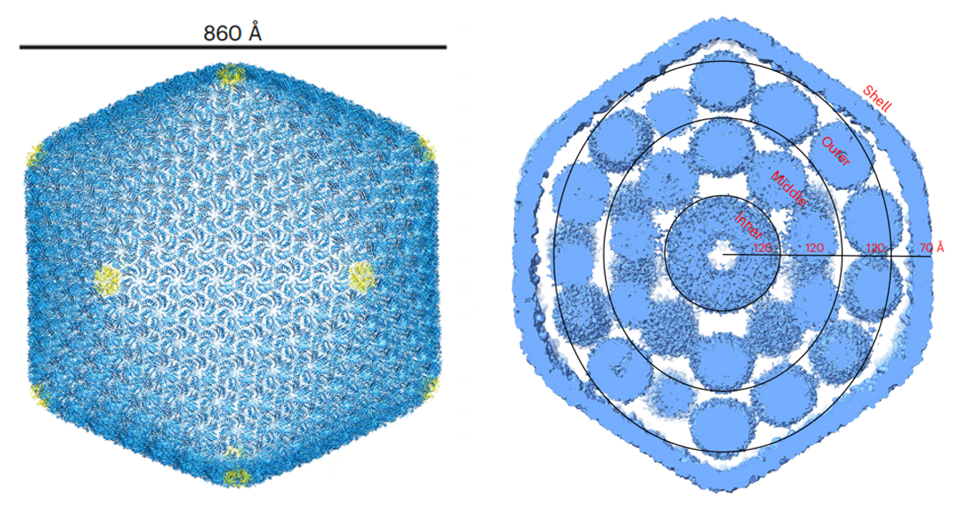
With the support of the HKUST Biological Cryo-EM Center, the team utilized the single-particle cryo-electron microscopy to determine the structure of the intact shell and characterize the overall architecture of the four-layered assembly pattern of Prochlorococcus α-carboxysome.
Policy
Sustainable Harvesting of Seafood
HKUST’s goal is to create food and dining facilities and services that provide clean, healthy, environmentally responsible food offerings that reflect our campus sustainability vision and mission. Our Sustainable Catering Policy applies equally to HKUST managed caterers and caterers who supply services for one-time events on campus and requires campus caterers to utilize the WWF-Hong Kong Sustainable Seafood and not offer any species that are listed in the “Avoid” category.
Liquid Effluent and Protection of Watershed and Aquatic Environment
HKUST is committed to protect and uphold water quality in our surrounding environment to protect ecosystems, wildlife, and human health and welfare. Therefore, under the Safety and Environmental Protection Manual, members of the university are required to strictly follow relevant policies and practices, including compliance to applicable laws regulating liquid effluents.
Collaboration
HKUST and French Consulate Host Marine Science Festival for Climate Action
HKUST partnered with the Consulate General of France to host the French Science Festival with the theme "Oceans of Knowledge" from October 6-7, 2024. The event featured talks, hands-on workshops, virtual reality experiences, and tours of HKUST's Ocean Research Facility, engaging the public on marine conservation and sustainable resource use.
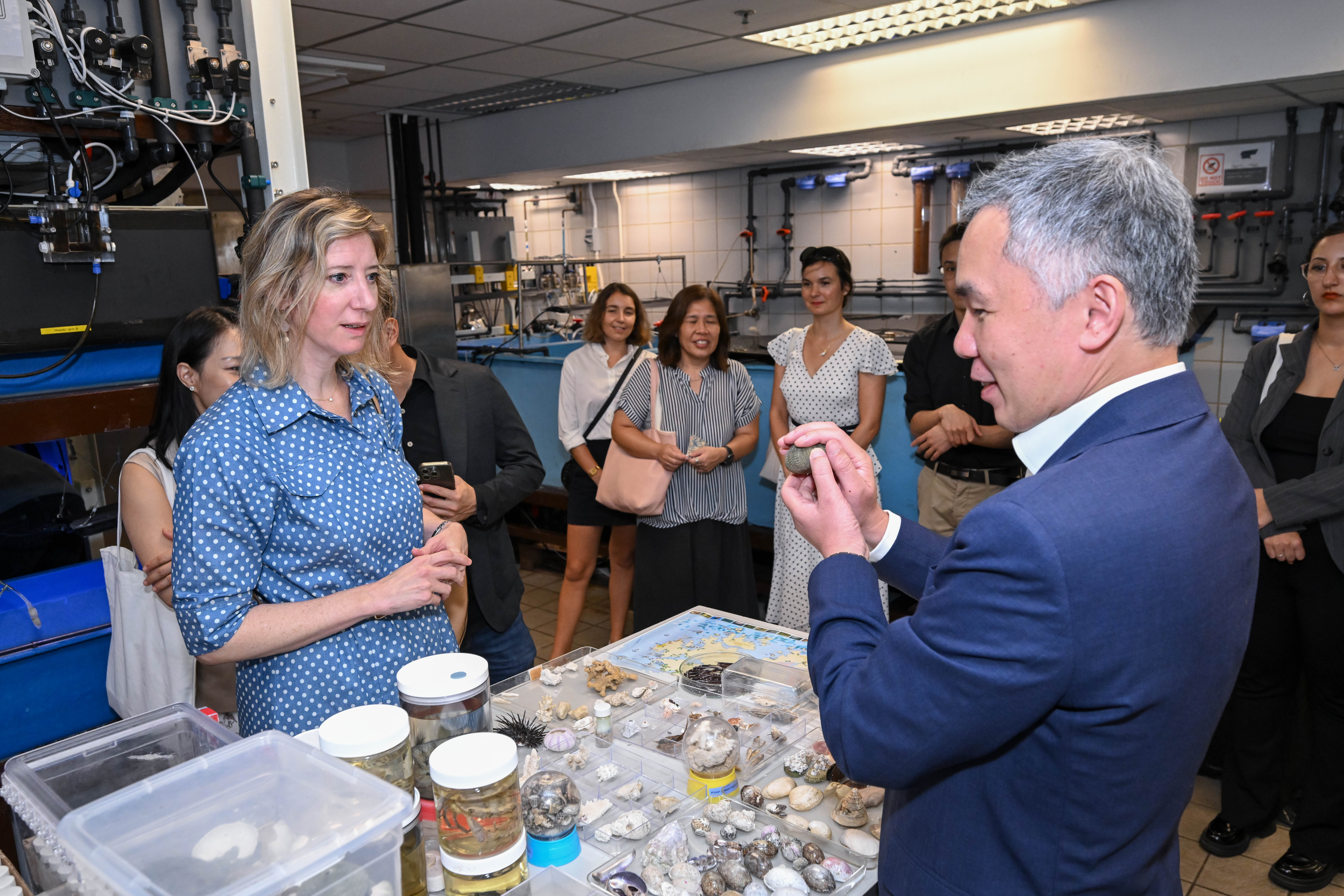
CG Christile DRULHE joins the tour to learn more about HKUST marine research and technology.
HKUST and Ocean Park Partner to Advance Marine Conservation
HKUST and Ocean Park Hong Kong have signed an agreement to strengthen collaboration in zoology, environmental conservation, data science, and creative media. The partnership aims to enrich marine education and research through internships and research projects for students, while leveraging Ocean Park's resources for practical learning on ocean ecosystems and conservation.
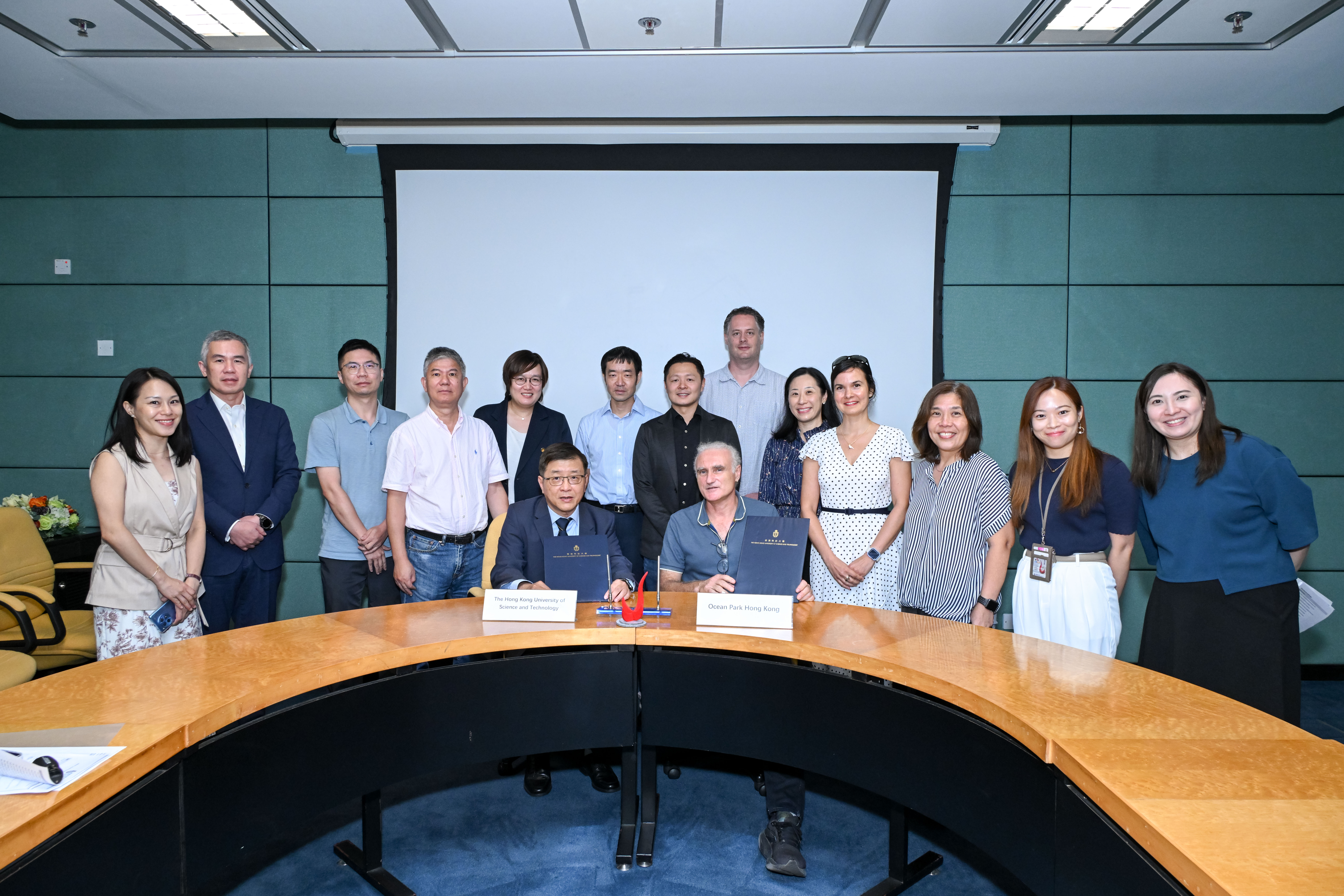
The ceremony featured Prof. Jianping GAN, Head of the Department of Ocean Science, and Dr. Paolo MARTELLI, Director of Veterinary Services of Ocean Park.
Ocean Day 2024
HKUST Ocean Science department organized "Ocean Day," a two-day event at the university's Atrium in March 2024. It aimed to raise awareness of marine ecosystems' importance and to promote the protection of our oceans for future generations. One of the key topics highlighted on the exhibition boards was Eco-Fishing Practices, emphasizing sustainable fishing methods for maintaining healthy fish populations and marine ecosystems.
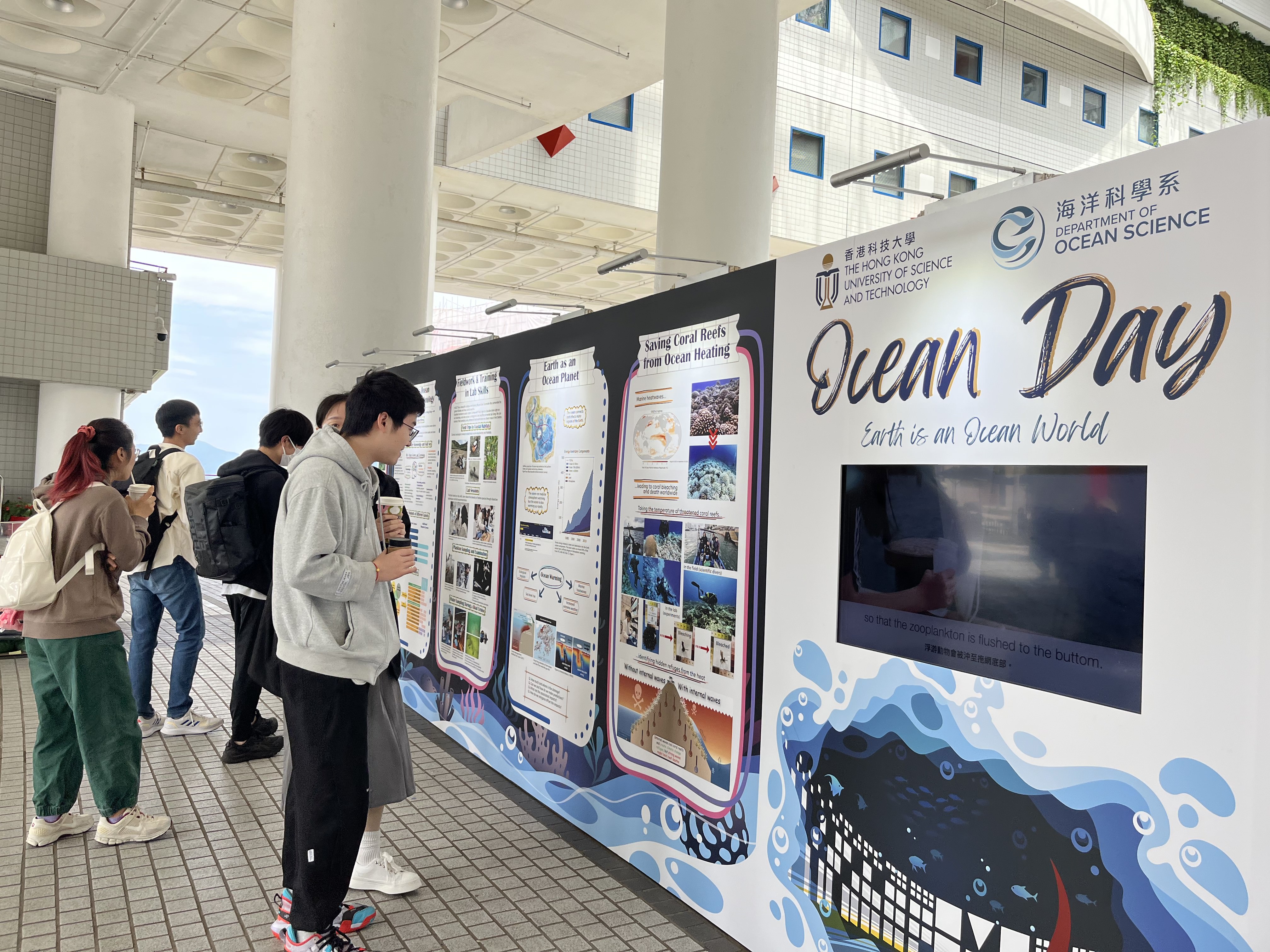
Community Engagement
OCES Students Explore Innovative Solutions Aboard Plastic Odyssey
HKUST students from the Department of Ocean Science visited the Plastic Odyssey vessel, a mobile research laboratory and exhibition docked in Tsim Sha Tsui, as part of the French Science Festival 2024. Students explored groundbreaking technologies and strategies to tackle global plastic pollution, learning about practical methods to reduce plastic consumption and recycle waste.
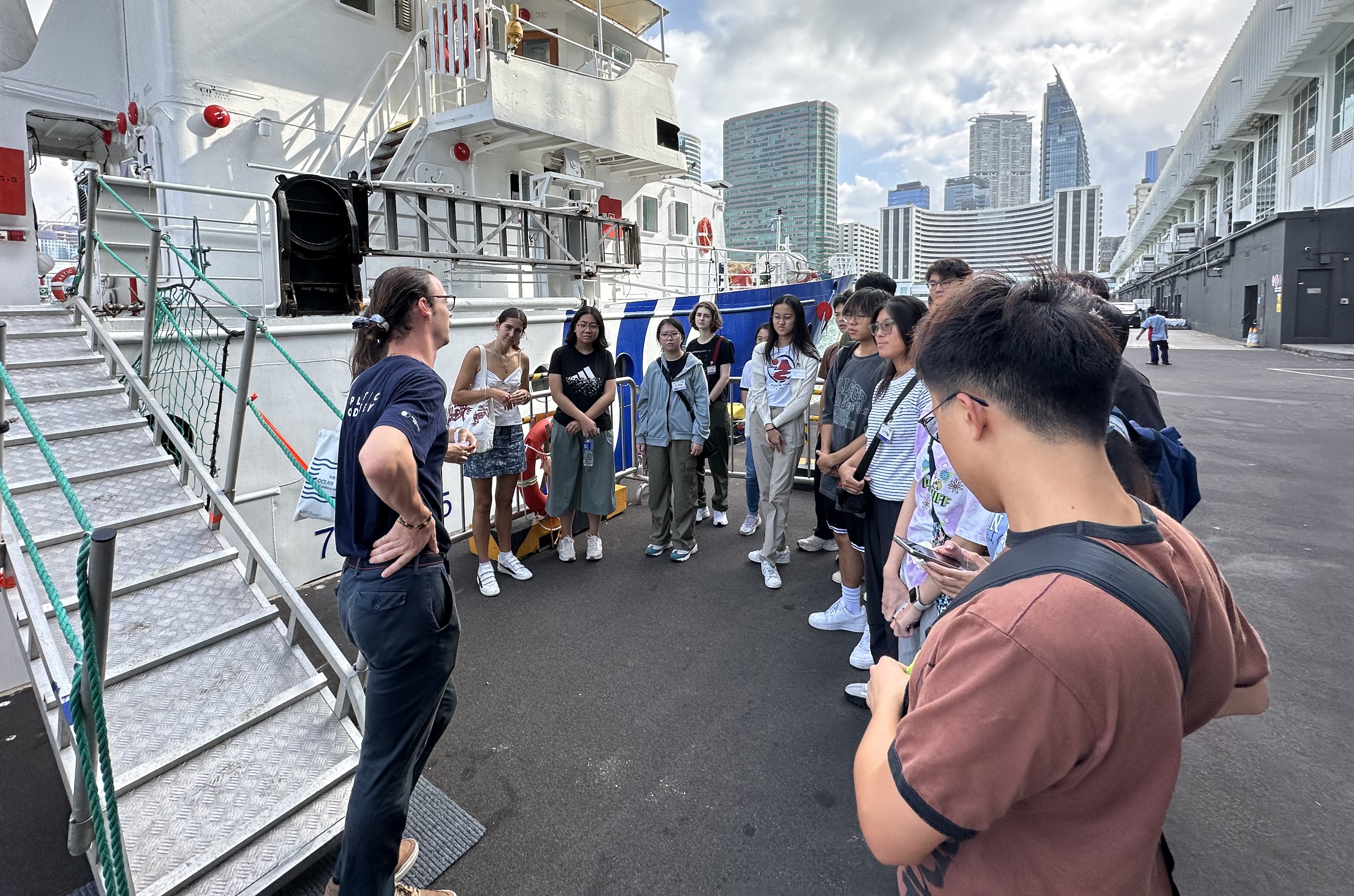
OCES Students Tour Plastic Odyssey - October 21, 2024
Beach Clean Up @HKUST
HKUST volunteers participated in two beach clean-up sessions during the academic year, collecting trash along the campus shoreline to restore its natural beauty. Through this hands-on activity, volunteers learned about the harmful effects of marine pollution on ocean ecosystems and coastal environments.
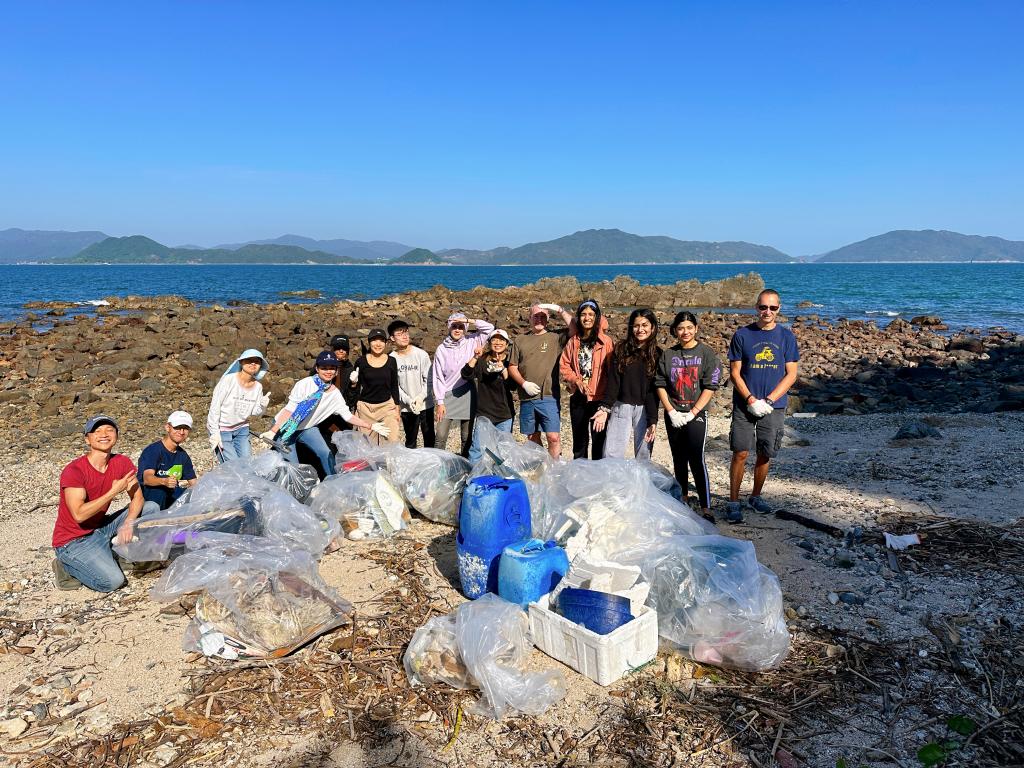
Beach clean-up - October 24, 2024 & April 8, 2025
Field Trip to Sharp Island @HKUST Ocean Day 2025
Twenty-two undergraduate students participated in a field trip to Sharp Island organized by HKUST's Department of Ocean Science for Ocean Day 2025. Students engaged in hands-on activities including collecting phytoplankton samples, measuring seawater transparency, and deploying a Remotely Operated Vehicle (ROV) to observe marine species such as corals, sea urchins, and jellyfish.
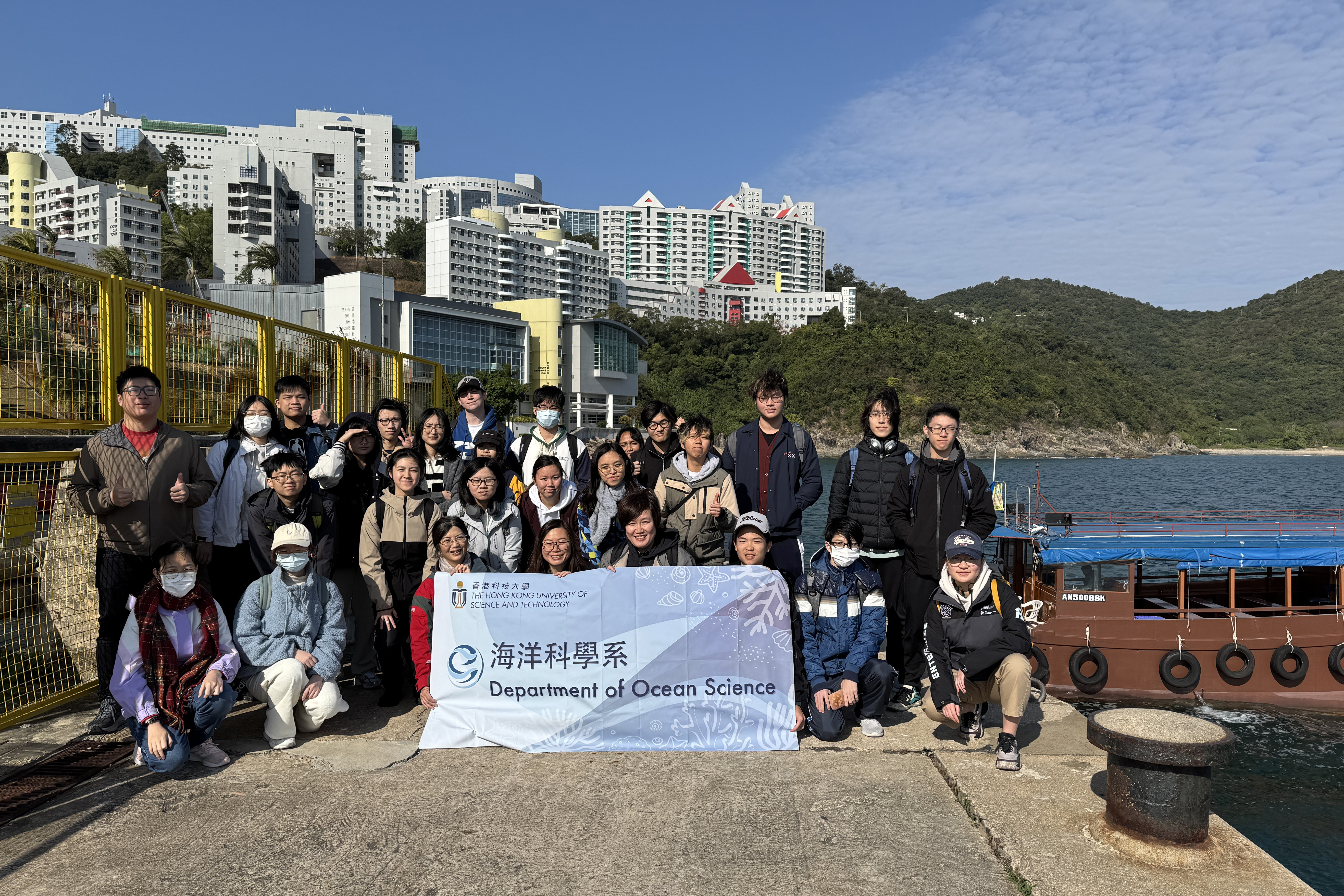
Field Trip to Sharp Island @HKUST Ocean Day 2025 - February 8, 2025
Ocean Day 2025
HKUST hosted Ocean Day 2025 on 6-7 February, a two-day celebration featuring a Marine VR experience, an equipment showcase, lab visits, and a plankton workshop to raise awareness about ocean conservation and marine science. Participants explored the wonders of marine life through immersive virtual reality, gained insights into the latest innovations in marine science, and engaged in hands-on learning about plankton's vital role in ocean ecosystems.
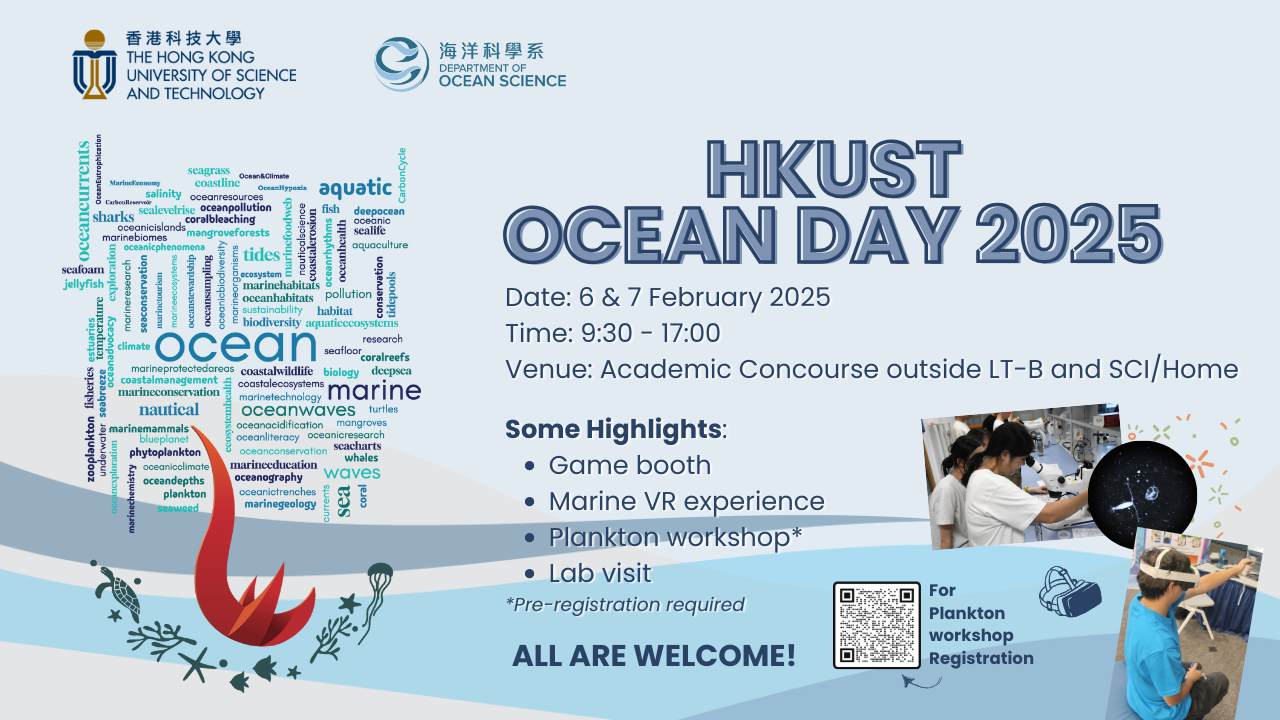
Ocean Day 2025 - February 6-7, 2025