SDG 15: Life on land
In our unwavering commitment to preserving endangered life on land, HKUST has implemented a series of innovative and impactful initiatives to combat environmental threats and restore ecological balance. Through extensive research, sustainable practices on campus and community-driven projects, we are promoting a thriving ecosystem that encourages human activity with nature. Our efforts extend beyond campus boundaries, as we actively engage with the public in our community outreaches to raise awareness and to ensure a collective approach to environmental stewardship.
Curriculum
Common Core Program
The Common Core Program requirements are mandatory for all undergraduate students, ensuring every graduate has the opportunity to engage with sustainability. For the 2024-25 academic year, over 20 Common Core courses are directly related to Sustainability and the SDGs, making sustainability education an integral part of the foundational curriculum for all students.
Extended Major in Sustainability
For students seeking deeper engagement, the Extended Major in Sustainability is available in combination with Science, Engineering, Business, Humanities and Social Science, and most Academy of Interdisciplinary Studies majors. In 2024-2025, it offers 55 courses covering a range of SDG topics, providing an interdisciplinary pathway for students across disciplines.
Other Relevant Programs
Additional specialized degree programs further integrate SDGs into the curriculum, including the BSc in Environmental Management and Technology (EVMT) , the BSc in Sustainable and Green Finance (SGFN) , and the BSc in Ocean Science and Technology (OST). These multi-disciplinary programs equip students with the knowledge and skills needed to address specific sustainability challenges.
For more details on the integration of SDGs across the HKUST curriculum, please click here.
HKUST offers courses such as:
LIFS 2011 – A Practicum on Wetland Conservation: Provides hands-on experience in wetland ecology and conservation practices.
LIFS 2060 – Biodiversity: Introduces the principles of biodiversity, from genes to ecosystems, and their conservation.
ENVR 2020 – Urban Air Pollution: Examines sources, chemistry, and health effects of air pollutants in cities, as well as mitigation strategies.
Research
According to Science Direct, from 2021 to 2025, HKUST published 107 research papers addressing SDG 15.
10.9% of them are in the top 10% cite score and around 72.0% are internationally co-authored.
Research Highlights
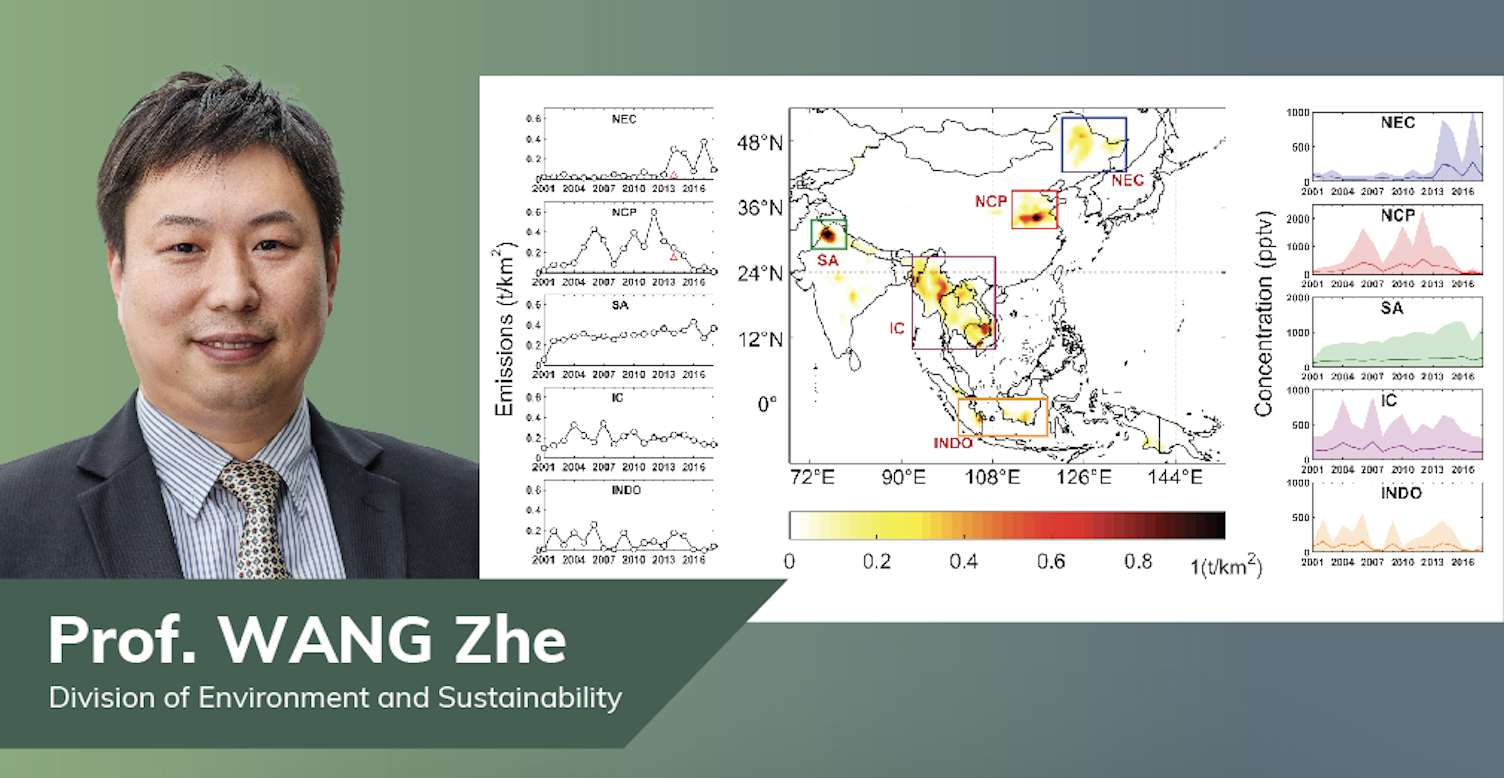
Study Reveals Significant Impacts of Chlorine Emissions from Biomass Burning on Air Quality
An international team led by HKUST researcher Prof. WANG Zhe has developed a comprehensive chlorine emission inventory for open biomass burning across Asia, covering 2001 to 2018. The study found substantial chlorine emissions in key regions such as North China, Northern India, and Southeast Asia, with significant seasonal and spatial variability driven by agricultural practices. The findings show that biomass burning contributes more to atmospheric chemistry—including the production of oxidants—than previously understood, with implications for air quality and climate.
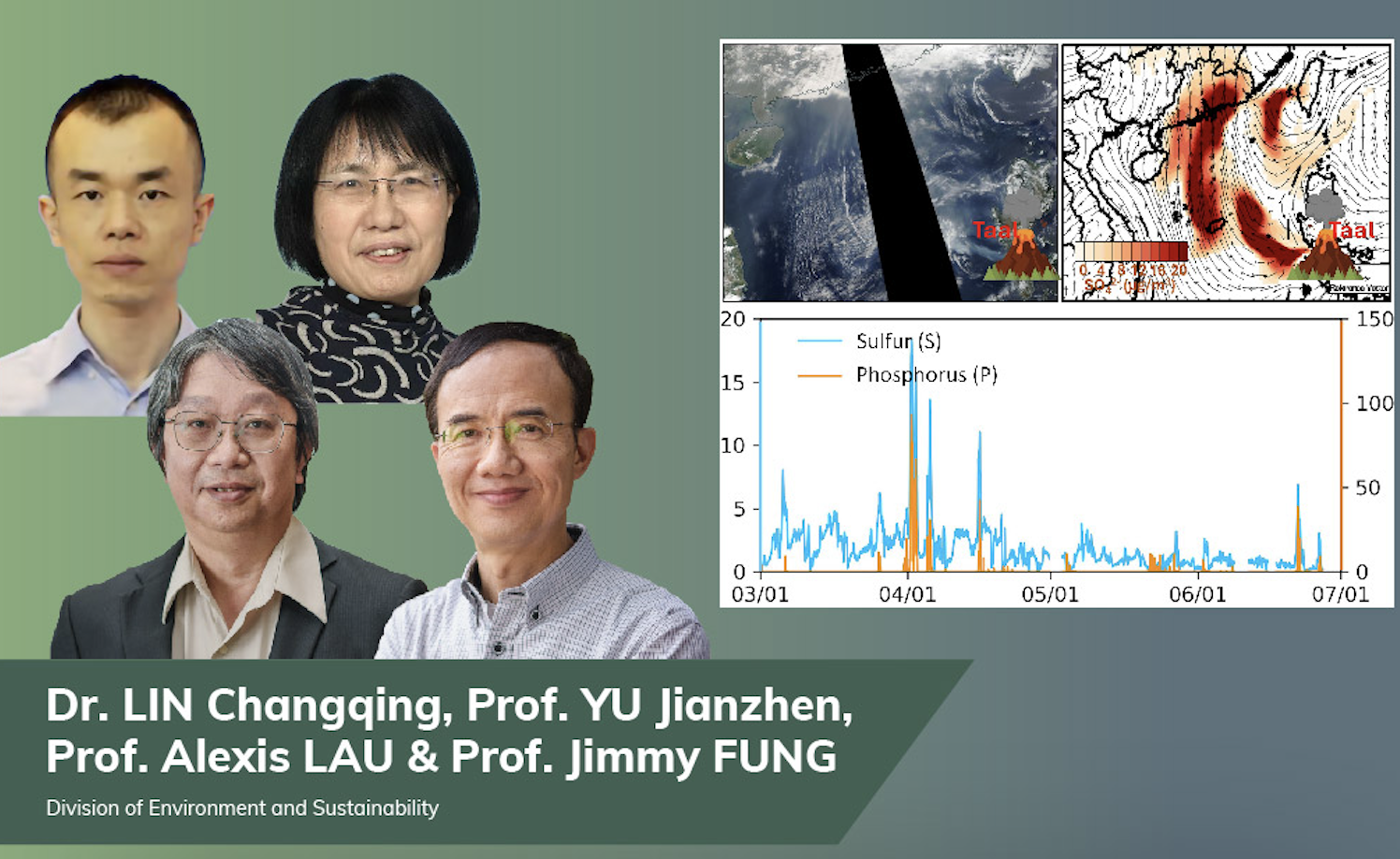
HKUST Team Uncovers Volcanic Source Behind Mysterious Air Pollution in South China
HKUST researchers traced unusual air pollution events in Hong Kong and the Pearl River Delta to volcanic emissions from the Taal volcano in the Philippines, developing a real-time chemical-wind index to detect volcanic pollution. The study, published in Communications Earth & Environment, highlights how transboundary volcanic emissions can impact air quality and public health across regions.
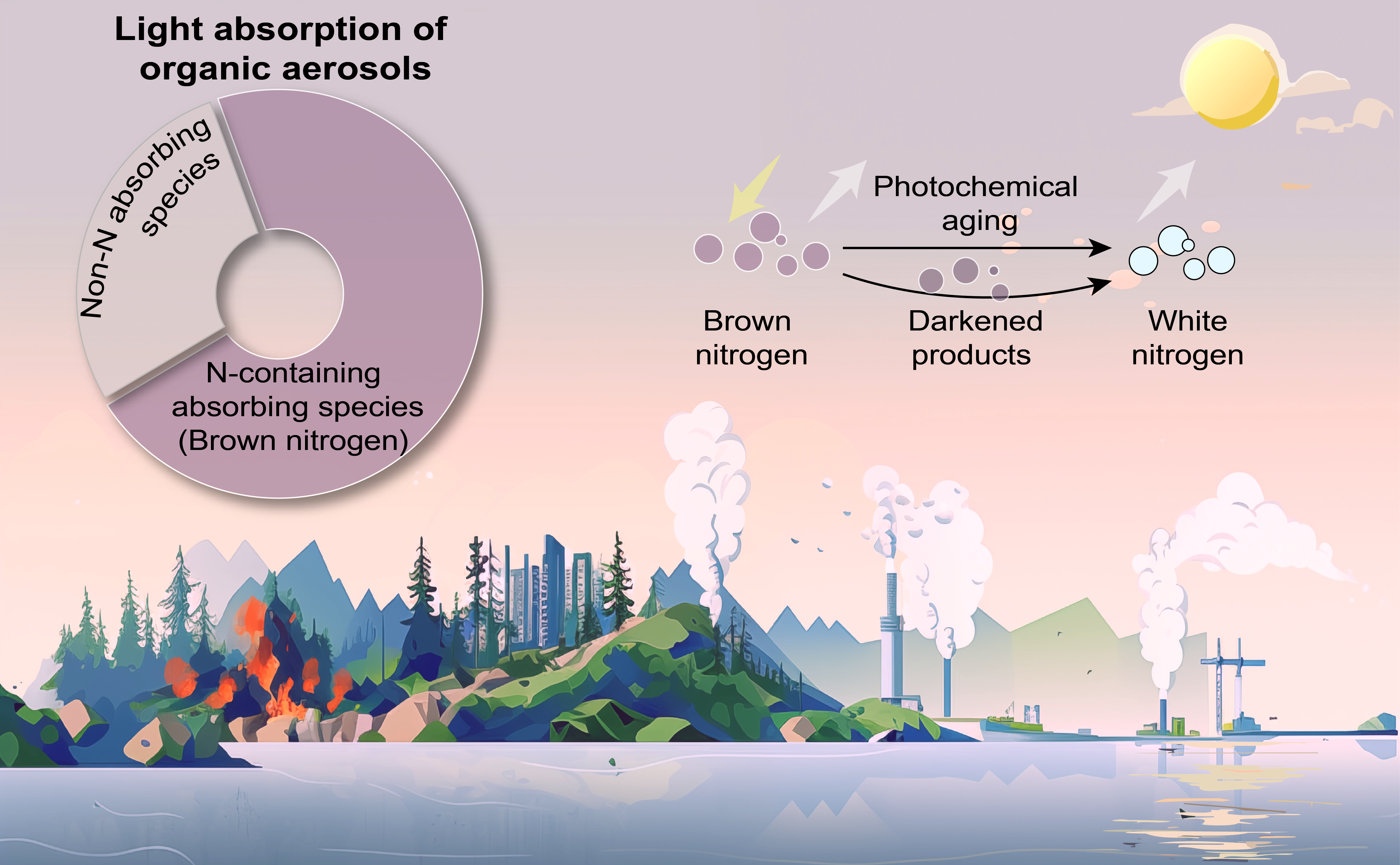
HKUST-Led Study Reveals Nitrogen's Dominant Role in Global Aerosol Absorption
A collaborative study led by HKUST, SUSTech, and NCAMS, published in Science, introduces a nitrogen-centric framework showing that nitrogen-containing compounds drive about 70% of global organic aerosol light absorption—a key factor influencing climate. The research reveals that brown nitrogen (BrN) plays a dominant role in atmospheric warming, with its chemical evolution driving spatiotemporal variations in aerosol absorption.
Policy
Sustainable Landscaping Policy
HKUST is committed to the conservation of our biodiversity and ecosystem resilience through sustainable landscaping practices. Our Sustainable Landscaping Policy requires contractors to adhere strict guidelines, including soil enrichment, conservation of water resource, and native species management, to minimize environmental impacts while also promoting ecological health.
Tree Felling & Planting Policy
In the effort to protect and preserve the vibrant trees of HKUST, the Tree Felling & Planting Policy was established to ensure a high-standard management of the university’s treasured woodland ecosystem. The university requires its faculty to have a Tree Preservation and Removal Proposal (TPRP) submitted to the Lands Department (LandsD) for thorough checking of their methods before they give any approval. Furthermore, third party contractors must emphasize their methods of any convention to protect plant species that are classified as Critically Endangered (CR).
Collaboration
HKUST and CMA Partner to Boost Early Warning Systems and Climate Resilience
HKUST and the China Meteorological Administration have signed a strategic agreement to enhance early warning systems, strengthen disaster preparedness, and build climate-resilient communities. The partnership focuses on high-resolution forecasting, AI integration, collaborative research platforms, and joint PhD programs to nurture next-generation climate leaders.
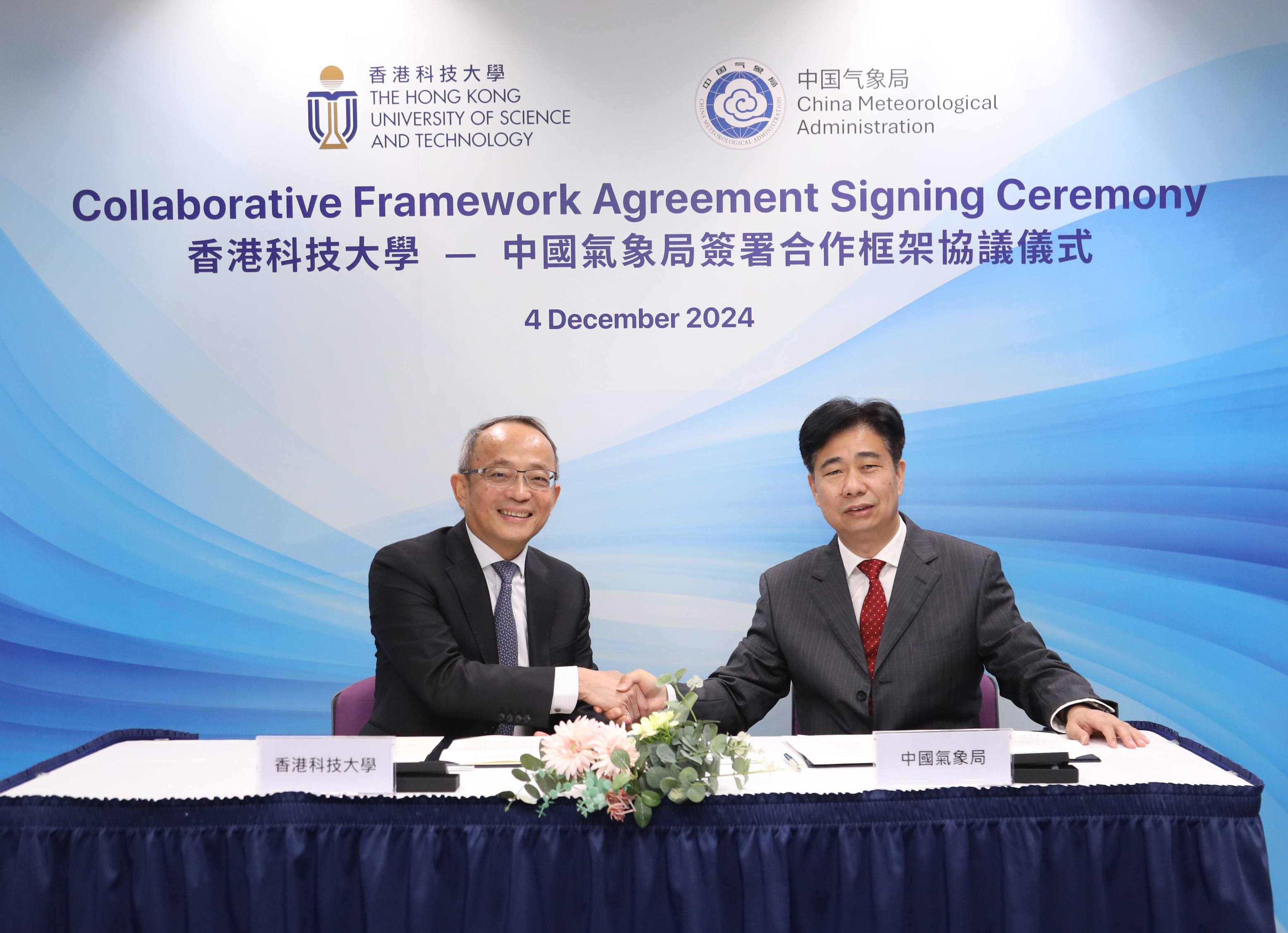
Prof. Tim CHENG, Vice-President for Research and Development at HKUST (left) and Mr. XIONG Shaoyuan, Deputy Administrator of CMA (right) sign the collaborative framework agreement on HKUST campus today.
Community Engagement
Joining Dog Walkers
HKUST volunteers visited Hong Kong Dog Rescue's Homing Centre to support animal welfare by cleaning kennels, walking rescued dogs, and assisting with centre maintenance. Volunteers gained firsthand insight into issues such as animal overpopulation, abandonment, and responsible pet ownership.
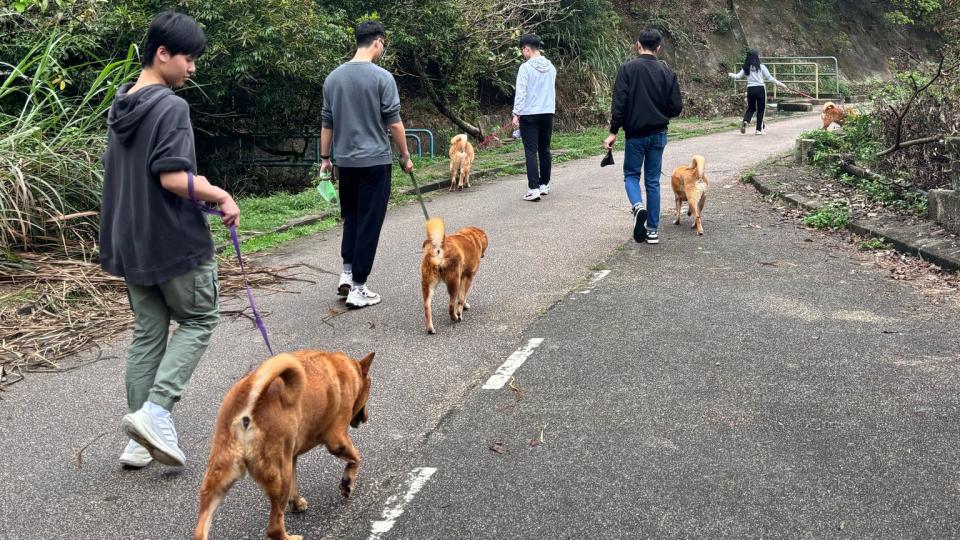
Joining Dog Walkers - September 3, 2024
Cat Shelter "Purr-fecting" Action
HKUST volunteers visited the Hong Kong Saving Cat and Dog Association's cat shelter in Tsuen Wan to clean cages, provide fresh water, and socialize with rescued cats. This hands-on experience deepened volunteers' understanding of animal welfare issues, including abandonment and the importance of responsible pet ownership.
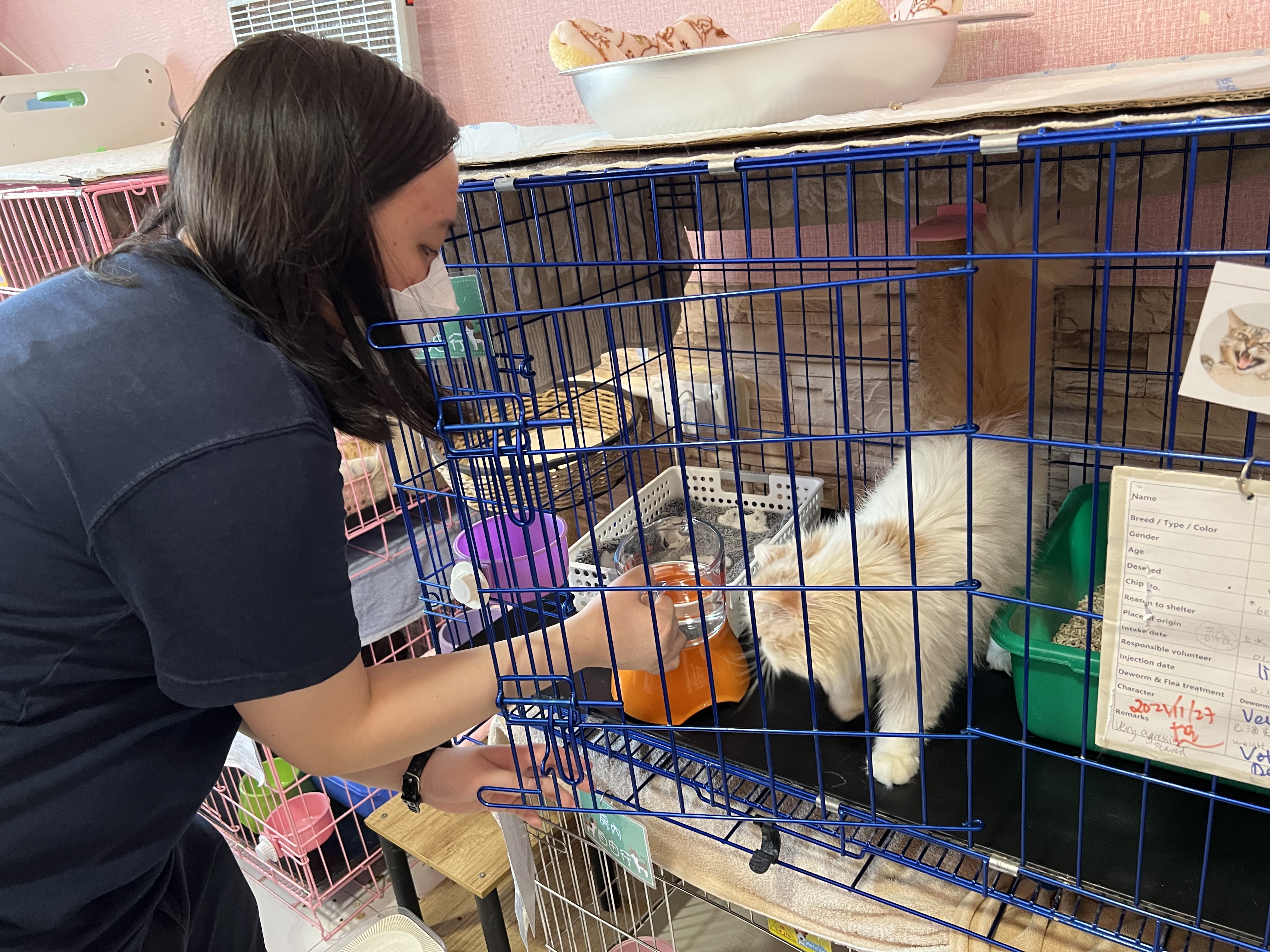
Cat Shelter "Purr-fecting" Action - November 7, 2024
Volunteering@Fung Yuen Butterfly Reserve
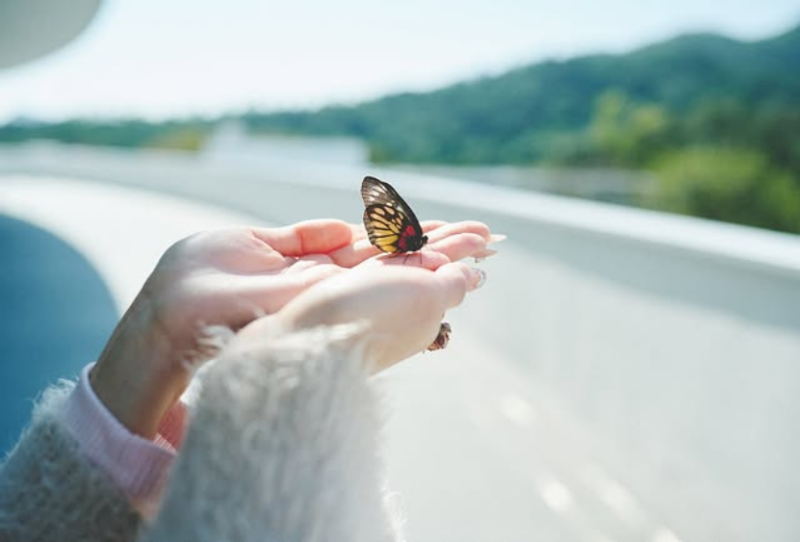
Seven HKUST volunteers partnered with The Environmental Association to help maintain the Fung Yuen Butterfly Reserve, home to over 200 butterfly species. Their efforts supported habitat preservation and conservation of this vital ecosystem. By protecting butterfly habitats and promoting biodiversity, this initiative directly contributes to SDG 15 (Life on Land) through conservation of terrestrial ecosystems.
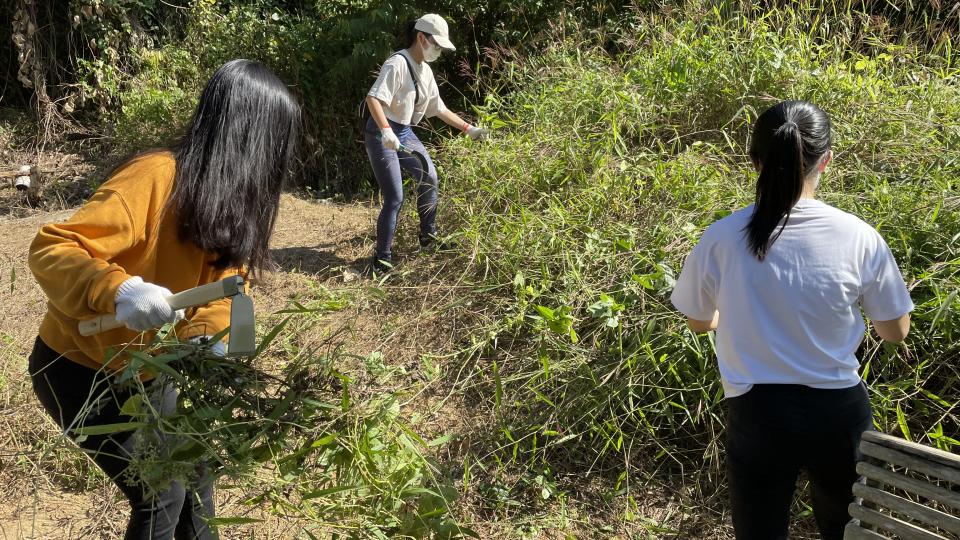
Volunteering@Fung Yuen Butterfly Reserve - November 30, 2024
Indulge in Nature: Ecotour in Kuk Po
HKUST participants joined an ecotour from Luk Keng to Ngau Wu, exploring mangroves, reed fields, and Hakka cultural heritage while learning about sustainable rural tourism and conservation. The experience deepened participants' appreciation for coastal ecosystems and the interconnectedness of nature, heritage, and community sustainability.
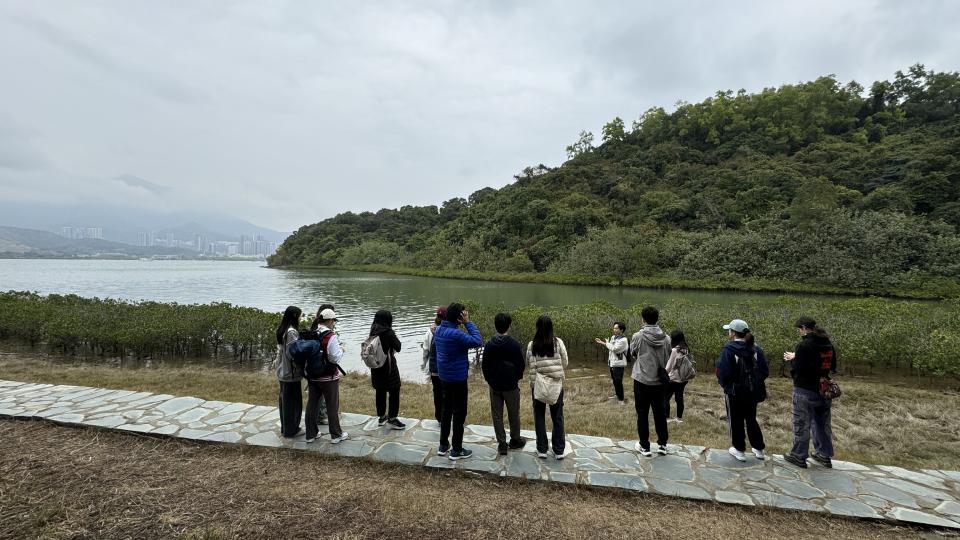
Indulge in Nature: Ecotour in Kuk Po - February 22, 2025
Operation Projects
Roadside Tree Carbon Storage
In 2024, HKUST surveyed 2,360 trees to assess the risk posed to pedestrians. During this assessment, biodiversity data was also collected.
Out of the 113 species surveyed, approximately 20% are native to Hong Kong. Native species hold significant ecological value and contribute to the city’s biodiversity by providing habitat and food for campus fauna, especially pollinators.
These trees, regardless of their native status, offer various ecosystem services, including air quality improvement, soil erosion prevention, stormwater absorption and filtration, and overall well-being for the campus community. Thus, they are essential natural resources for HKUST.
Utilizing data from the Roadside Tree Survey, the University has employed tools from the U.S. Forest Service Research and Development to estimate the carbon storage capacity of the campus trees. Currently, analysis indicates that the 2,360 trees on campus are collectively storing 524 tonnes of carbon.
Onsite Organic Waste Upcycled into Soil Conditioner
As part of the HKUST Sustainability Challenge 2028, a focus was placed on healthy soil for the campus landscape. To advance this goal, the University applied 5,100 kg of off-campus waste woodchips from Y-Park and 875 kg of on-campus waste shredded leaves in 2024/25, which provide organic matter that enhances the fertility and structure of the soil.
This practice not only improves soil content but also helps retain moisture, thereby reducing water consumption for irrigation. Additionally, it prevents soil erosion, suppresses weed growth, and regulates soil temperature. By providing habitat for beneficial microorganisms and insects, it promotes a healthy ecosystem.
Ecological Enhancement Programme in Staff Quarters Landscaped Slopes
In resemblance to the woodlands of Hong Kong, certain areas of the University’s greenery are dominated by exotic species that serve as pioneer trees, capable of thriving in poor soil and effectively preventing soil erosion. However, as these trees age, they pose risks to the campus community and hinder the growth of native species.
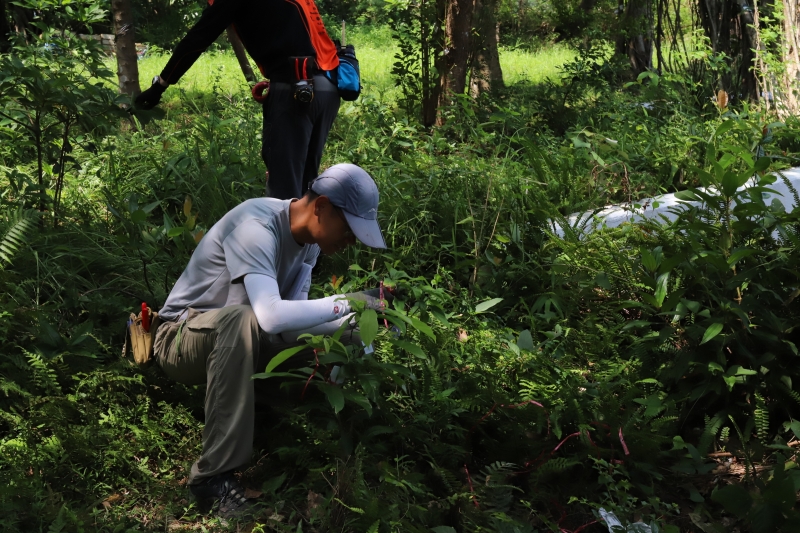
To enhance the ecological value of the campus woodlands and address the increasing risk of fallen trees, the University has launched the Woodland Thinning and Ecological Enhancement Programme.
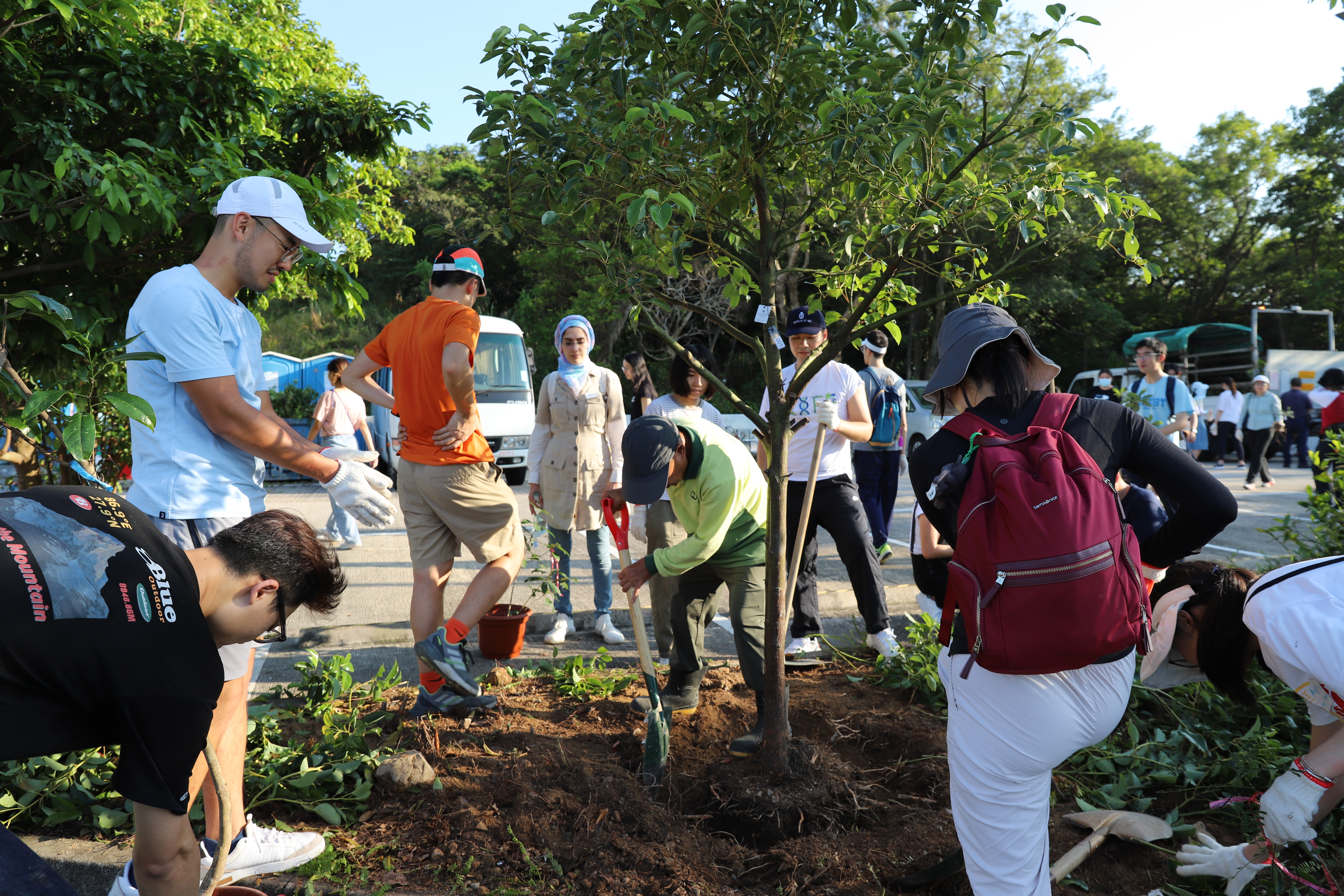
As part of this initiative, trees comprising both exotic species and native species in substandard health—were removed from the Senior Staff Quarters (SSQ) slope, and 252 tree seedlings of native species were planted to enrich the area.
During the tree-felling process, several trees with high-quality wood were carefully harvested and processed into planks for upcycling into furniture, art installations, or souvenirs, demonstrating the University’s commitment to preserving natural resources.
Compost Tea and Black Soldier Fly Fertilizer Experimentation
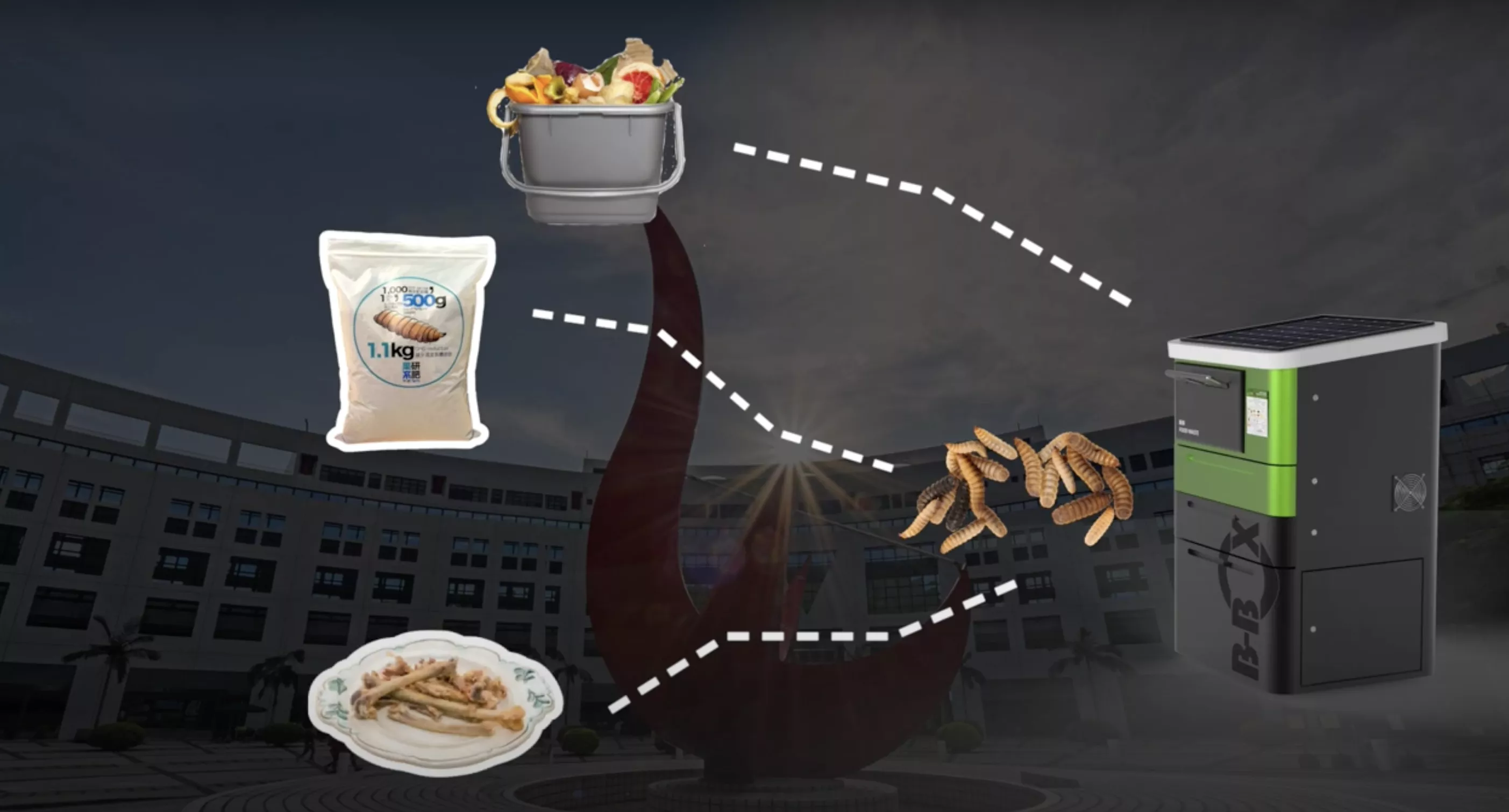
To further enhance soil quality, HKUST experimented with compost tea as a way to add natural nutrients to turf and grassy areas. The University also utilized fertilizer produced from the Black Soldier Fly project, which diverted 2,565 kg of food waste and transformed it into nutrient-rich organic fertilizer. A portion of this fertilizer was applied to the campus butterfly garden, enriching the soil with natural nutrients.
Colorization of the Campus Landscape
To enhance the appeal of the campus for both visitors and the HKUST community, the University initiated an engaging project focused on enriching the campus landscape with vibrant, colorful plants.
A notable transformation took place at the north entrance, where planters were completely revamped with a diverse selection of eye-catching plants and innovative landscaping designs. In addition to the north entrance, colorful plants were thoughtfully incorporated into various key locations, including the LSK Business Building, staff quarters, student halls, the Chinese Garden, the south entrance, and the piazza.
In total, 12 major locations—both indoor and outdoor—were included in this colorization project. These initiatives not only beautify the campus but also foster a sense of community and connection with nature, making HKUST a more engaging and inspiring environment for learning and collaboration.
Biodiversity Photo Competition
HKUST engaged students and staff through the "Your Backyard, Your Lens" biodiversity photo competition, which received 239 submissions across three categories. A physical exhibition attracted over 500 visitors, and a highlight video engaged 9,701 social media users, demonstrating the community's deep connection with campus biodiversity.
For more information on HKUST Operations related to SDG 15, see HKUST Sustainability Report 2024-2025 here.