SDG 9: Industry, Innovation and Infrastructure
HKUST recognizes the importance of sustainable industrial practices, technological advancements, and R&D in fostering innovation and promoting sustainable industries. We equip students with knowledge to contribute to resilient infrastructure and inclusive industrialization while encouraging interdisciplinary projects supported by our state-of-the-art research infrastructure and expert faculty with focus on sensors.
Curriculum
Common Core Program
The Common Core Program requirements are mandatory for all undergraduate students, ensuring every graduate has the opportunity to engage with sustainability. For the 2024-25 academic year, over 20 Common Core courses are directly related to Sustainability and the SDGs, making sustainability education an integral part of the foundational curriculum for all students.
Extended Major in Sustainability
For students seeking deeper engagement, the Extended Major in Sustainability is available in combination with Science, Engineering, Business, Humanities and Social Science, and most Academy of Interdisciplinary Studies majors. In 2024-2025, it offers 55 courses covering a range of SDG topics, providing an interdisciplinary pathway for students across disciplines.
Other Relevant Programs
Additional specialized degree programs further integrate SDGs into the curriculum, including the BSc in Environmental Management and Technology (EVMT) , the BSc in Sustainable and Green Finance (SGFN) , and the BSc in Ocean Science and Technology (OST). These multi-disciplinary programs equip students with the knowledge and skills needed to address specific sustainability challenges.
For more details on the integration of SDGs across the HKUST curriculum, please click here.
HKUST offers courses such as:
MECH 1905 – Buildings for Contemporary Living: Explores sustainable building design, smart technologies, and infrastructure systems that shape modern urban environments.
ENVR 1170 – Science, Environment and Society - From Big Bang to Big Data: Examines how scientific and technological advancements, including data infrastructure, drive innovation and shape societal development.
MGMT 4220 – Entrepreneurship and Innovation: Introduces new business creation with emphasis on discovering and validating innovation-enabled opportunities.
Research
According to Science Direct, from 2021 to 2025, HKUST published 1,075 research papers addressing SDG 2.
14.1% of them are in the top 10% cite score and around 71.0% are internationally co-authored.
Research Highlights
Fiberscopic Robot: HKUST Develops World's Smallest Multifunctional Biomedical Robot
HKUST researchers have created a fiberscopic robot—the world's smallest multifunctional biomedical robot at just 0.95 mm, 60% smaller than current models. It can take images, move with high precision, and perform tasks like sampling, drug delivery, and laser treatment. Tested in lung models, the robot navigates tight spaces smoothly and detects obstacles ten times better than before. This breakthrough could make minimally invasive surgery safer and more effective, advancing medical care and spurring innovation in the healthcare robotics industry. The findings were published in Nature Communications.
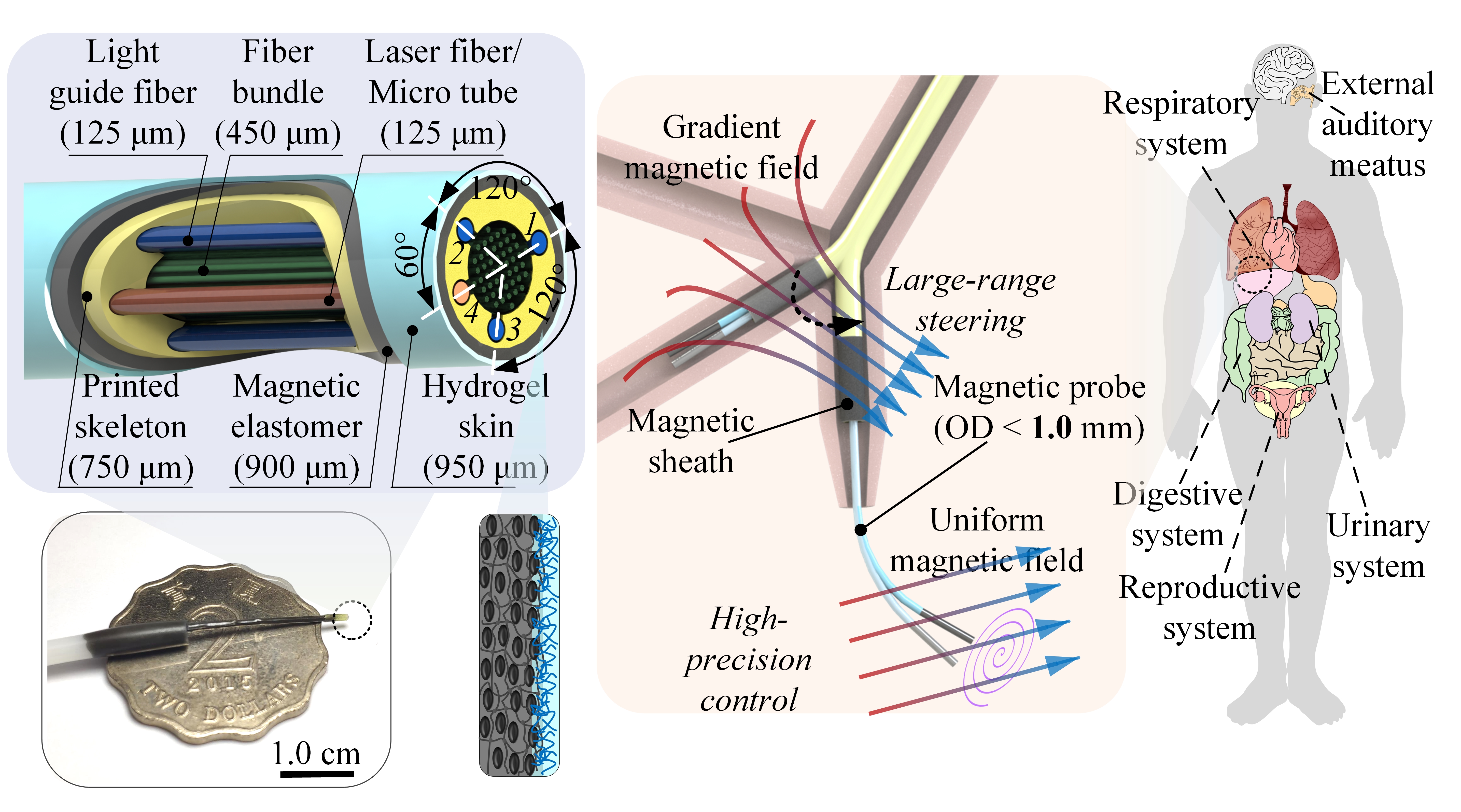
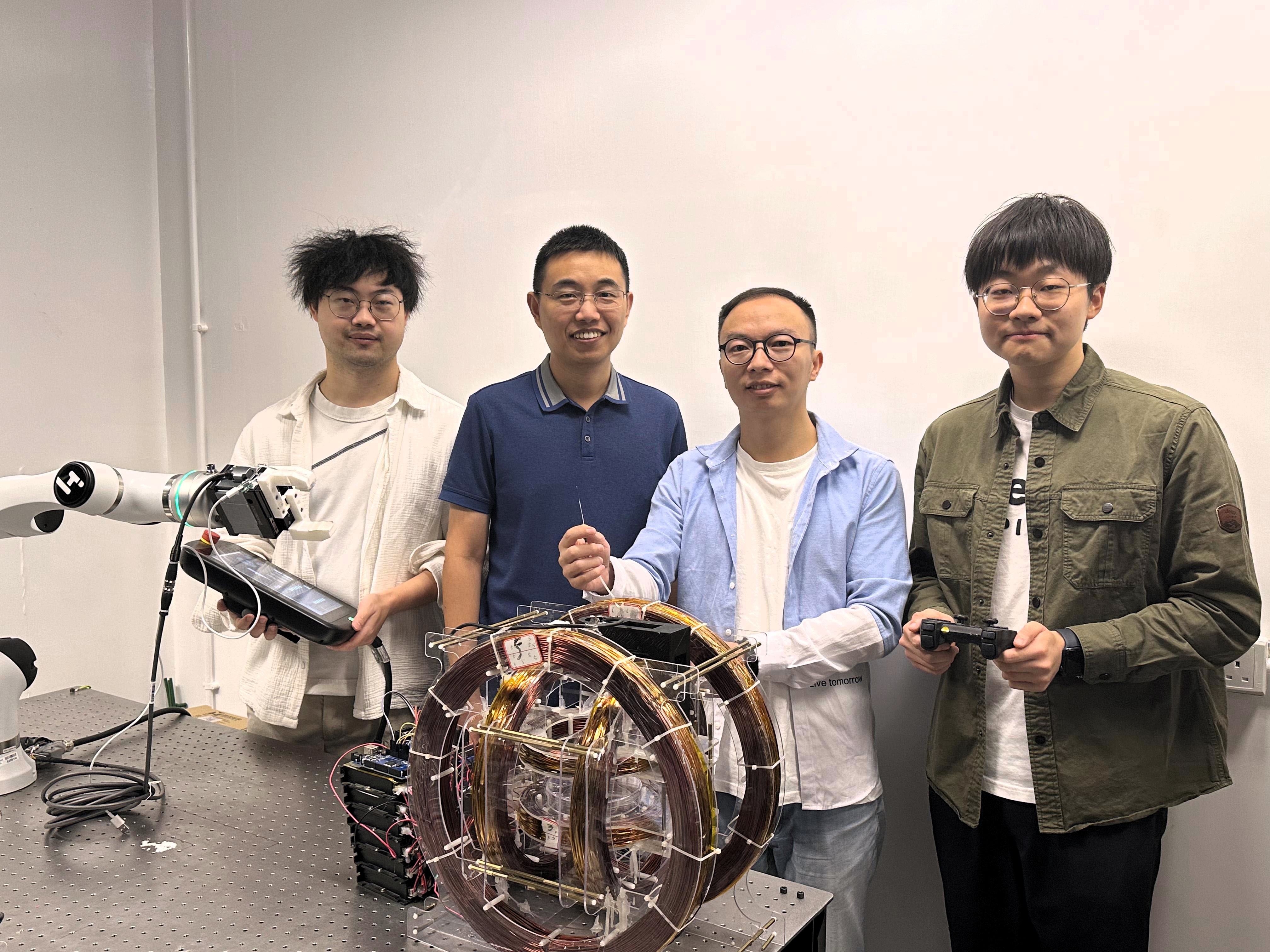
The research team, led by Prof. SHEN Yajing (second left) from the Department of Electronic and Computer Engineering, has designed an optical fiber-based submillimeter continuum robot for interventional treatment in narrow cavities, which looks like a small tube as the one held by Dr. ZHANG Tieshan (second right) in the photo. The devices held by Dr. YANG Xiong (first left) and ZHAO Haoxiang (first right) serve as controllers for the robot arm and the magnetic field, respectively.
AI-Enhanced 3D Food Printer with Instant Cooking
HKUST researchers have developed an AI-assisted 3D food printing system that combines printing with built-in infrared cooking, producing safe, precisely shaped, and visually appealing food in one step. The technology uses graphene heaters and generative AI to simplify design and ensure quality, with applications ranging from personalized meals for patients with swallowing difficulties to creative dining experiences. By streamlining food production and reducing contamination risks, this innovation could transform the food industry, creating new business opportunities and driving economic growth in the smart food sector. The findings were published in Advanced Materials.
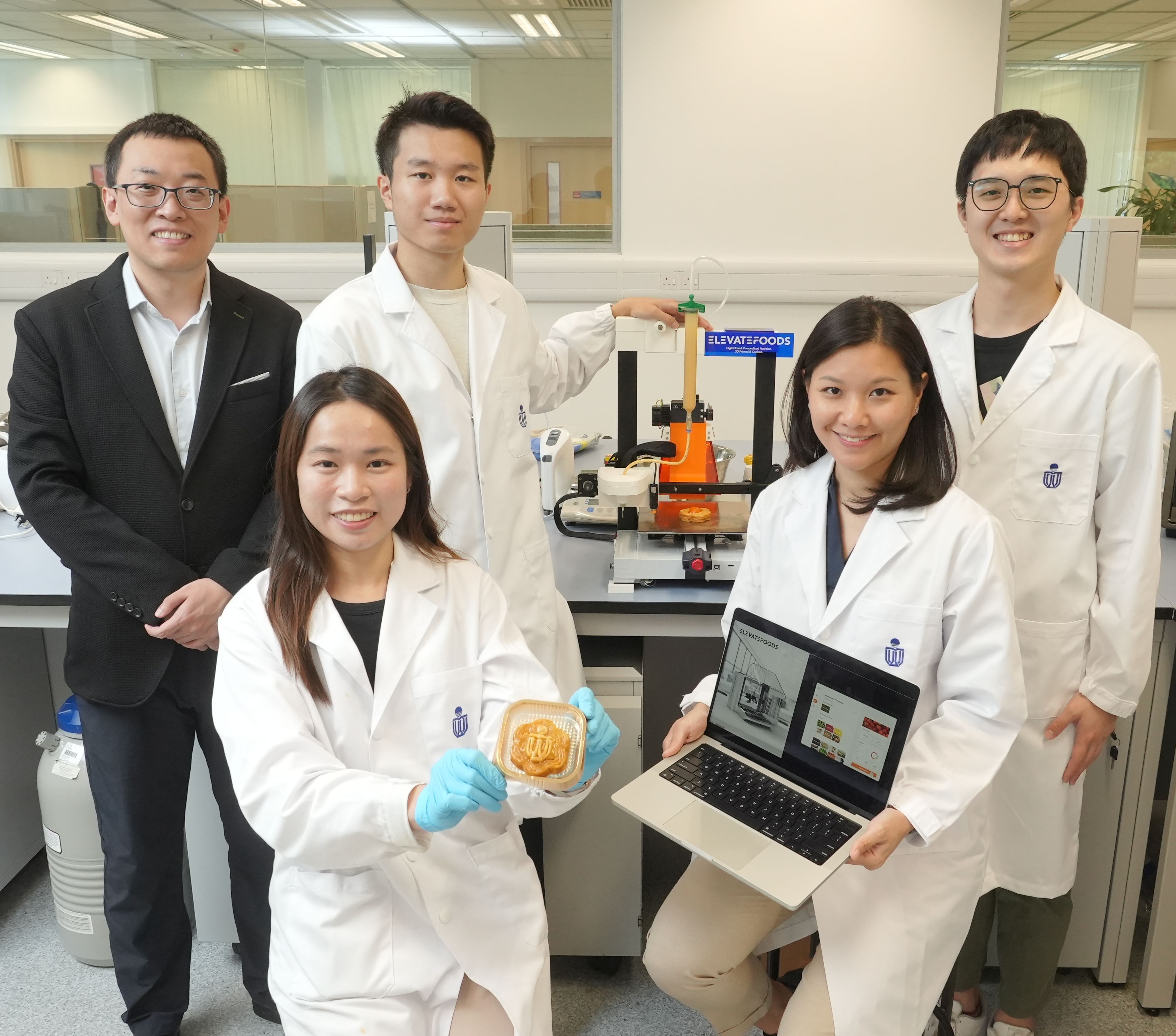
The research team from the Division of Integrative Systems and Design (ISD) at HKUST comprised Prof. Mitch LI Guijun, ISD Assistant Professor (back row, first from left), and Connie LEE Kong-Wai (first row, right), the paper’s first author and a PhD student in ISD.
Altermagnets: HKUST Research Opens New Paths for Next-Generation Electronics
HKUST physicists led by Prof. LIU Junwei have achieved the first experimental observation of a two-dimensional layered room-temperature altermagnet, confirming their 2021 theoretical predictions. This new class of magnetic materials could enable faster, more energy-efficient data storage and processing devices by using electron spin rather than electrical charge to carry information. The breakthrough provides a platform for developing advanced electronics with lower power consumption and higher performance, potentially driving innovation in computing and data technologies. The findings were published in Nature Physics.
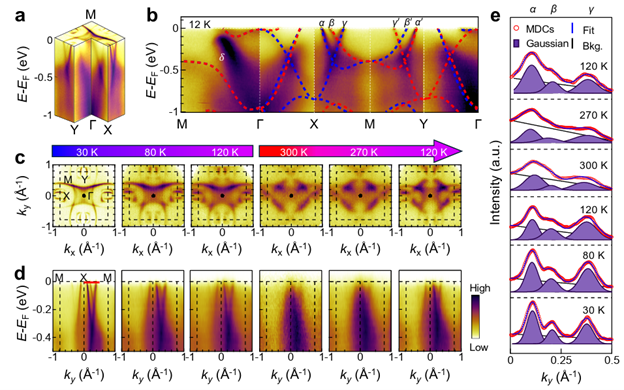
Altermagnets, which exhibit momentum-dependent spin splitting without spin–orbit coupling (SOC) or net magnetization, have recently attracted significant international attention.
Laser-Printed Batteries: HKUST's Single-Step Technique Supercharges Lithium-Sulfur Production
HKUST researchers led by Prof. Mitch LI Guijun have developed a single-step laser printing technique that dramatically simplifies and accelerates lithium-sulfur battery manufacturing—reducing a process that traditionally takes days to just minutes. The technique integrates material synthesis and cathode preparation into a nanosecond-scale laser pulse, producing high-performance batteries with a printing speed of 2 cm² per minute. This breakthrough could lower production costs, improve energy storage efficiency, and accelerate the commercialization of next-generation batteries for electric vehicles and renewable energy systems, driving innovation in the clean energy sector. The findings were published in Nature Communications.
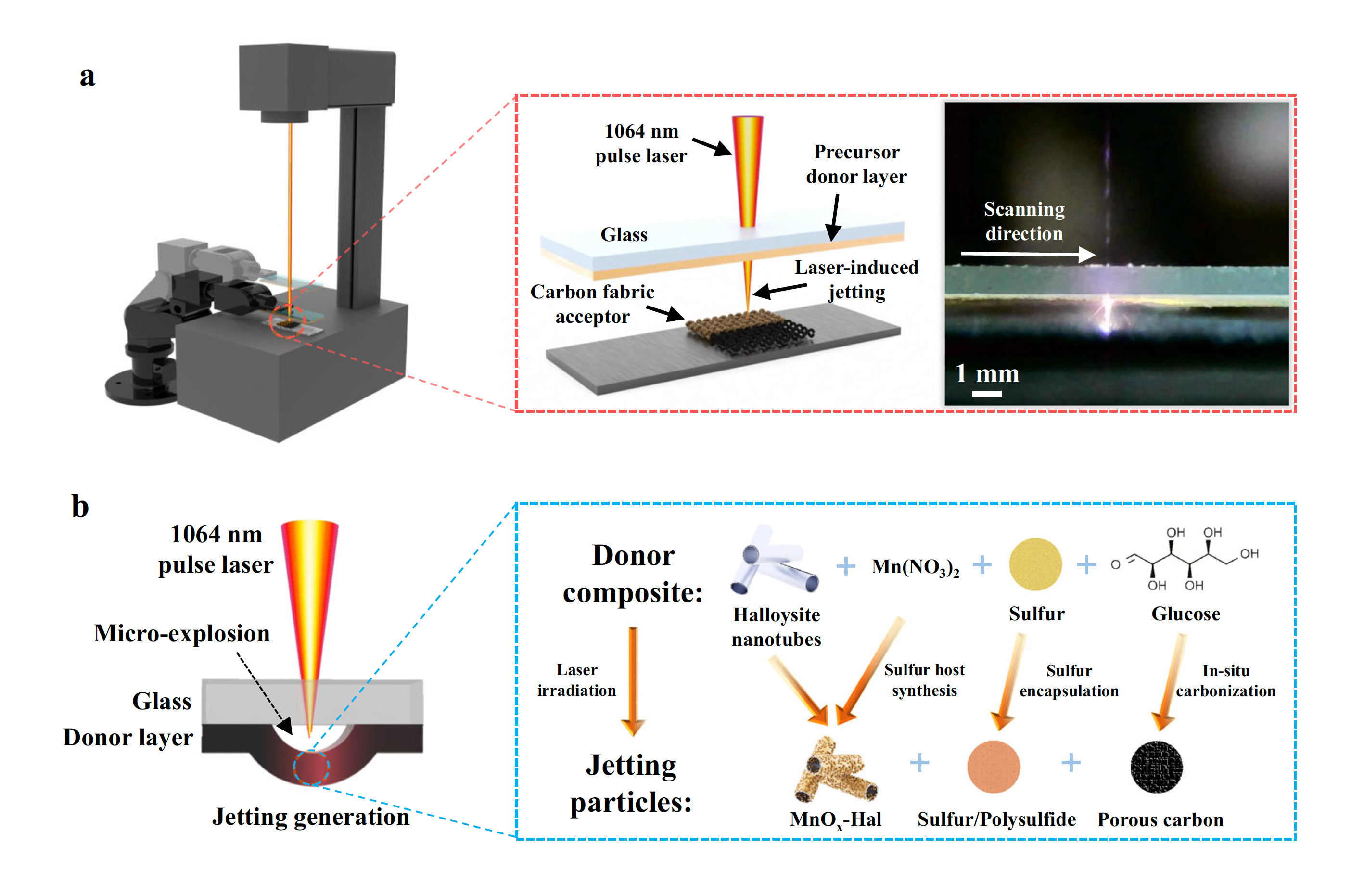
(a) Illustrations of the single-step laser-printing process and (b) laser-induced conversion during printing
HKUST Develops Human-Like Technology for Safer Self-Driving Cars
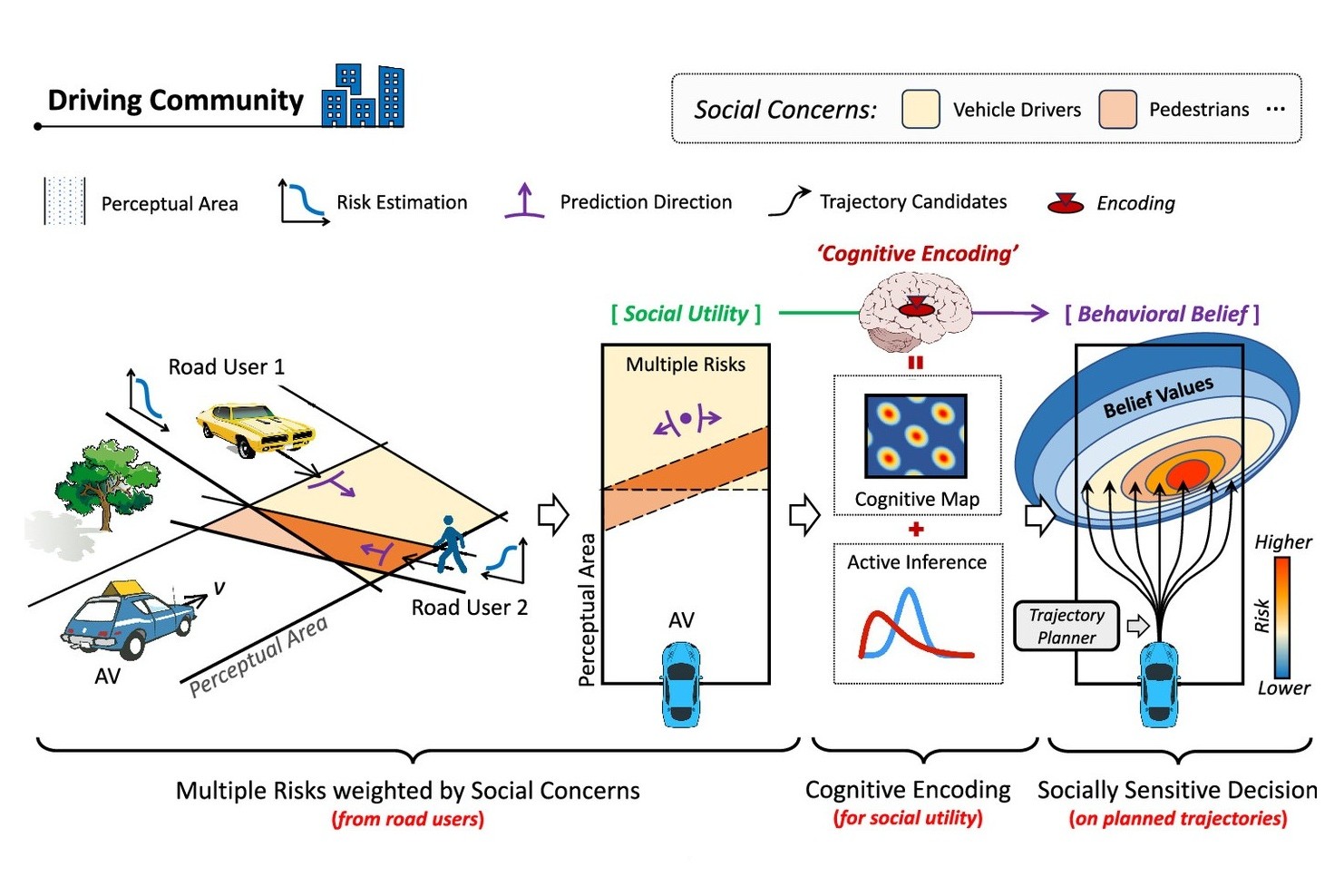
HKUST researchers have created a system that helps self-driving cars make decisions like thoughtful human drivers—assessing risks to pedestrians and cyclists and prioritizing their safety. In 2,000 traffic tests, the system reduced overall risk by 26.3%, cut harm to vulnerable road users by 51.7%, and improved driving efficiency by 13.9%. The findings were published in Proceedings of the National Academy of Sciences (PNAS).
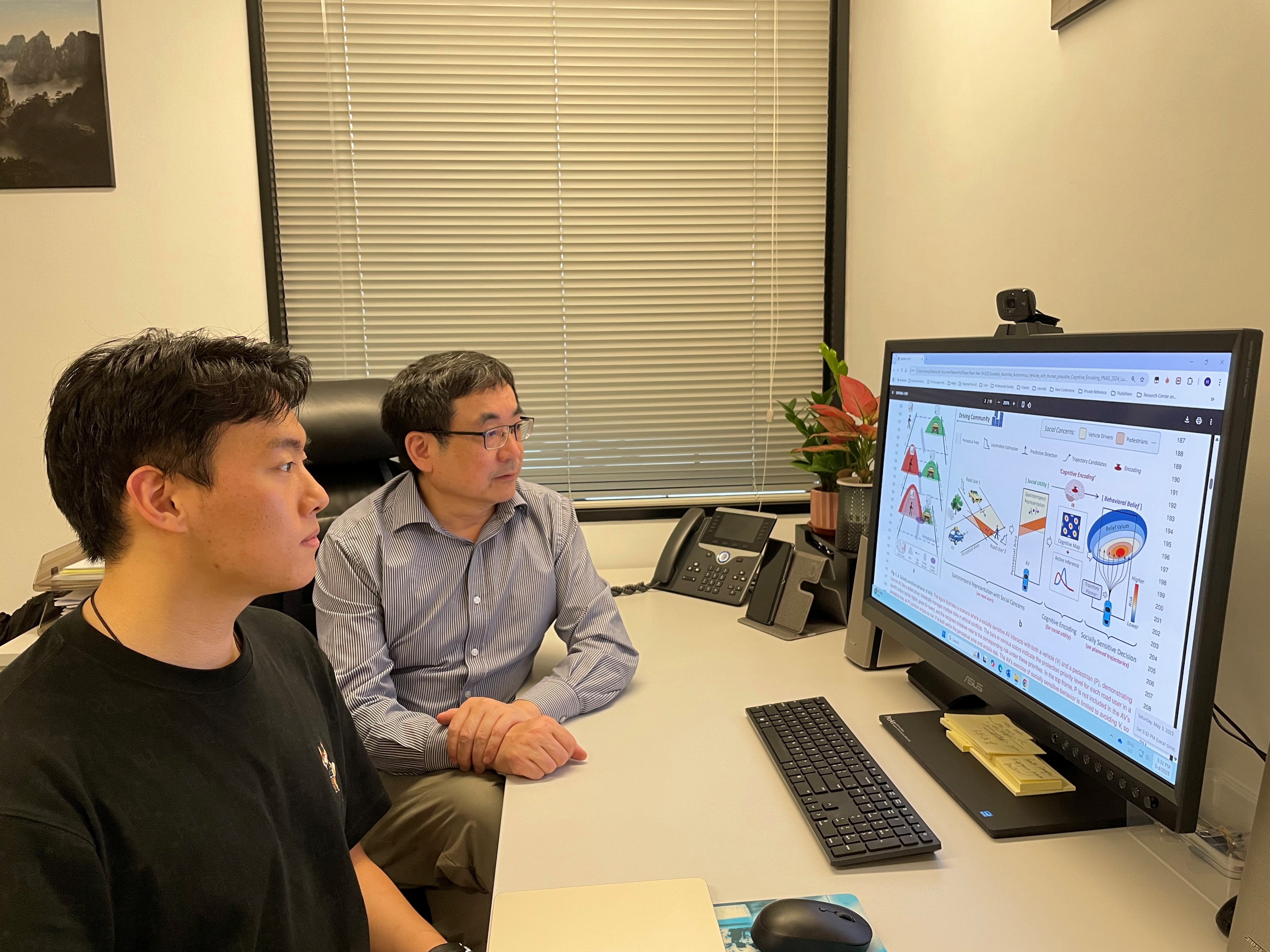
Prof. YANG Hai (right) discusses the research framework with LU Hongliang (left), the first author of the study.
Policy
Intellectual Property Policy
The Intellectual Property Policy sets out HKUST’s general approach and requirements in relation to, among other things, the creation, invention, ownership use, dissemination, publication, protection, commercialisation, distribution of commercialisation revenue, infringement and/or other exploitation of Intellectual Property that is created.
Collaboration
HKUST's Innovation Ecosystem Powers Healthtech Startups in Gleneagles Partnership
HKUST-nurtured startups PanopticAI and SmartCare have partnered with Gleneagles Hospital to deploy AI-powered smart clinic solutions. This collaboration highlights HKUST's entrepreneurship ecosystem—offering incubation, mentorship, and funding—that transforms research into commercial healthcare applications, driving innovation in Hong Kong's healthtech sector.
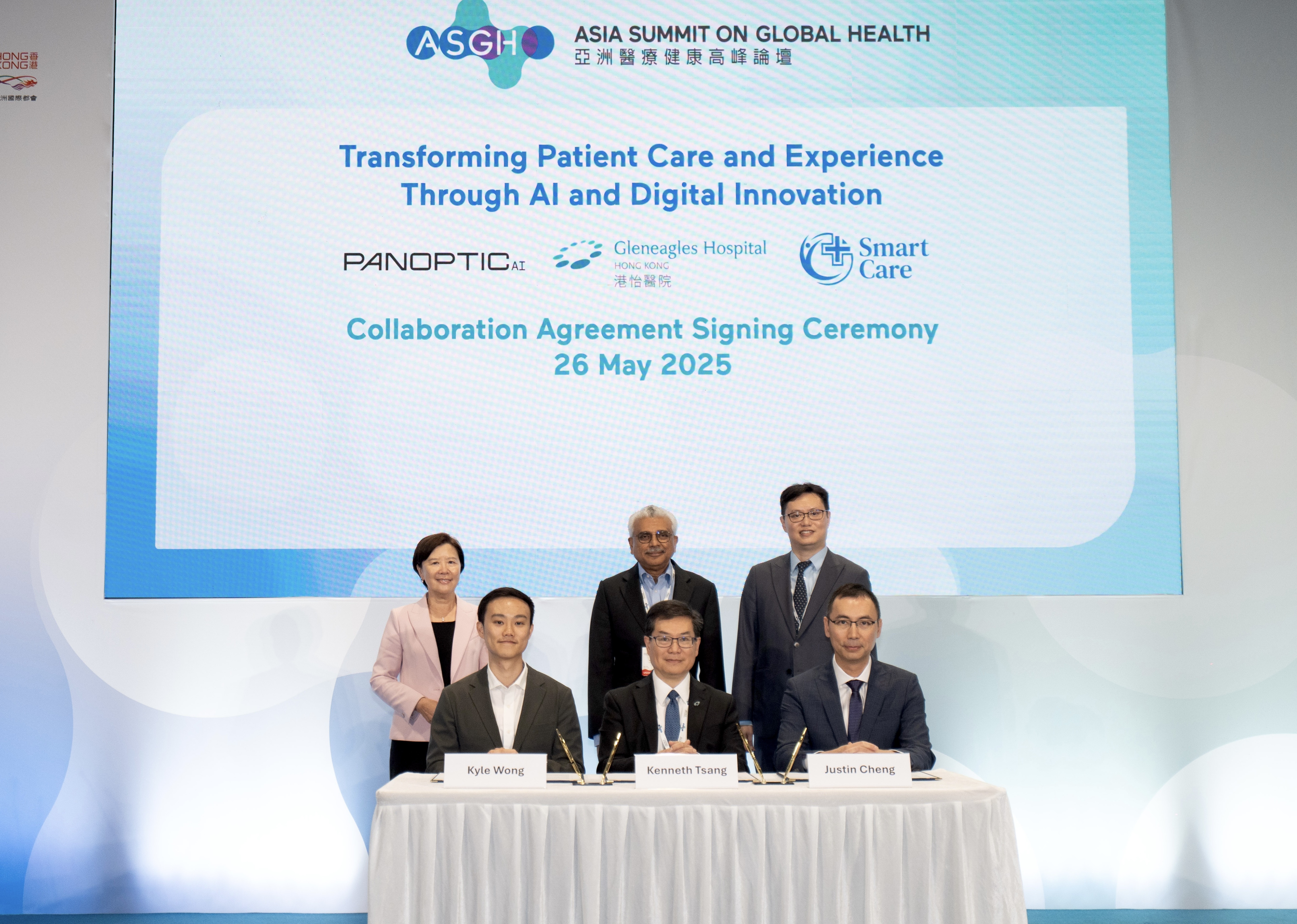
(Front row from left) Dr. Kyle Wong, Chief Executive Officer and Co-founder of PanopticAI Limited; Dr. Kenneth Tsang, Regional Chief Executive Officer of IHH Healthcare North Asia and Chief Executive Officer of Gleneagles Hospital Hong Kong; and Dr. Justin Cheng, Chief Executive Officer and Co-founder of SmartCare, sign a tripartite collaboration agreement on the development of AI-powered smart clinic solution, witnessed by (back row from left) Prof. Nancy Ip, President of The Hong Kong University of Science and Technology; Dr. Prem Kumar Nair, Group Chief Executive Officer of IHH Healthcare; and Dr. Patrick Lau, Deputy Executive Director of the Hong Kong Trade Development Council.
HKUST and GPTX Partner to Boost Student-Led Startup Innovation
HKUST and GPTX have partnered through the UniVenture program to accelerate student-led tech startups in AI, robotics, and healthcare. The initiative provides seed funding, mentorship, and industry connections—with GPTX committing HK$750,000 per startup. By bridging classroom learning with commercialization, the program strengthens HKUST's innovation ecosystem and supports the next generation of entrepreneurs.
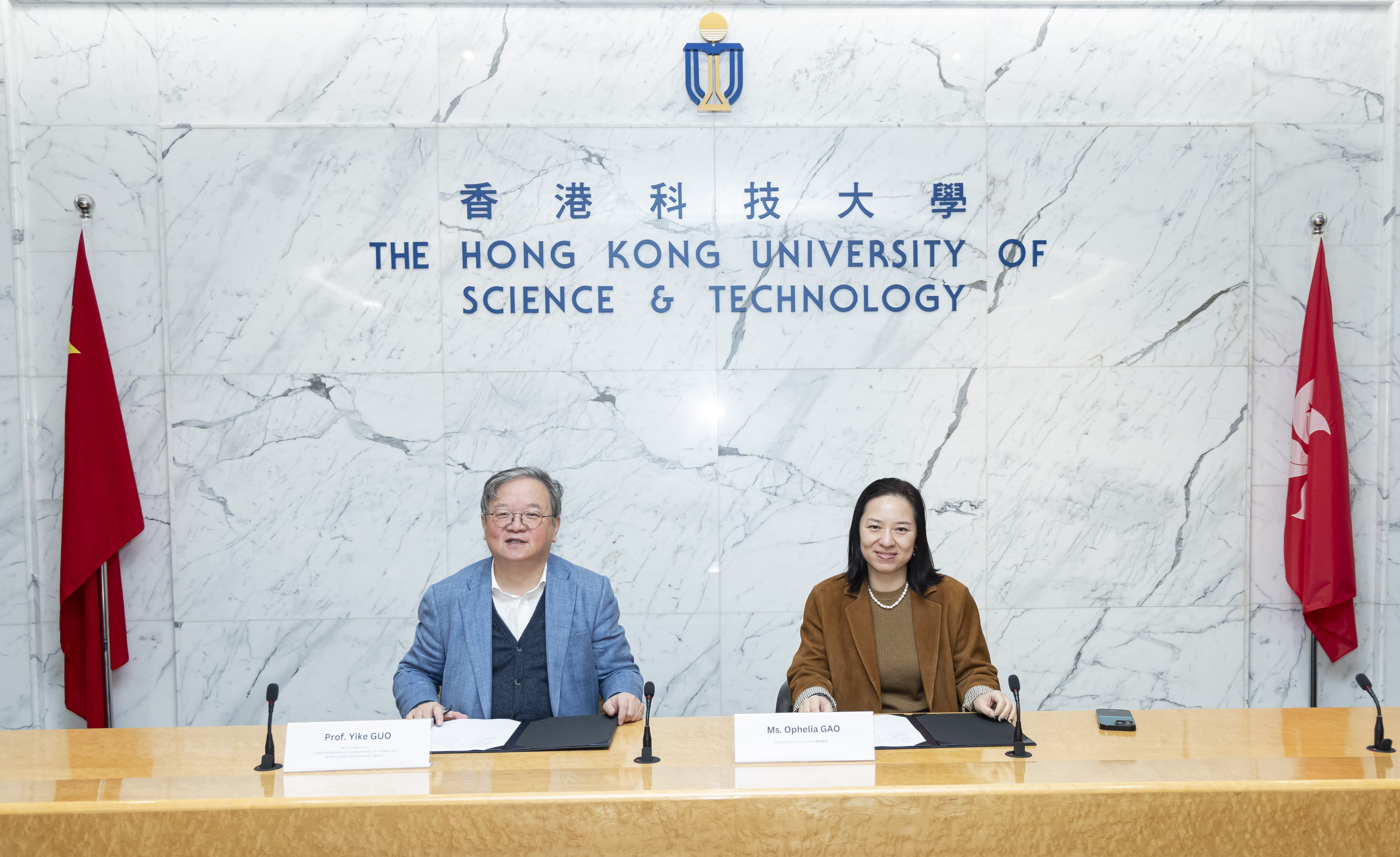
Prof. GUO Yike (left), HKUST Provost and Chair Professor of Department of Computer Science and Engineering and GPTX Investment Management Limited CEO Ms. Ophelia GAO (right) sign the MoU, to jointly promote innovation and entrepreneurship in artificial intelligence, robotics, and healthcare.
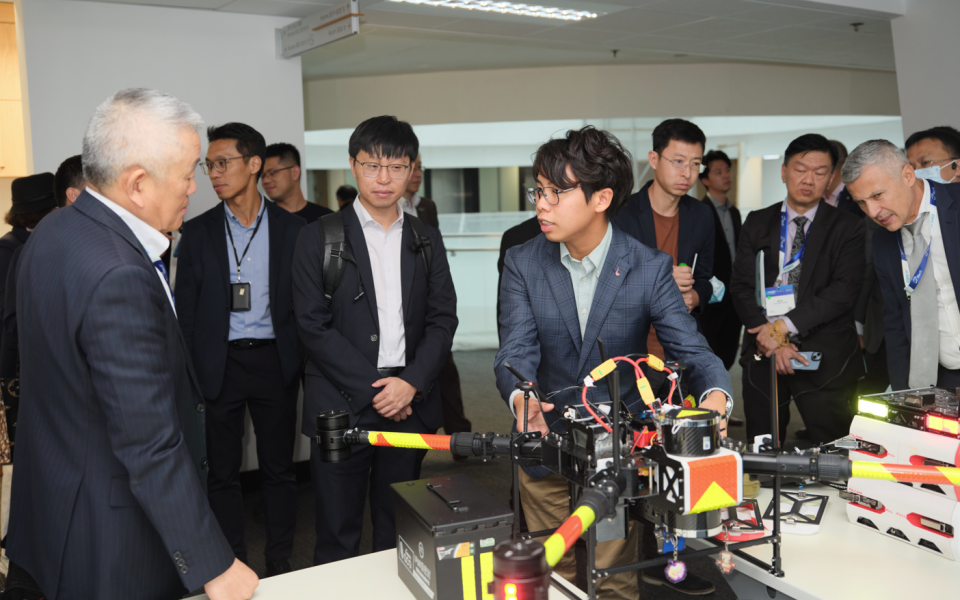
HKUST Welcomes Belt and Road Delegation to Advance Low-Altitude Economy Innovation
HKUST welcomed a distinguished delegation from the Belt and Road Low-Altitude Economy Initiative in November 2025, led by Mr. SONG Ronghua, to explore collaboration in unmanned aerial systems, airspace management technologies, and smart logistics applications. The delegation visited HKUST's Low-Altitude Economy Research Centre and the Logistics and Supply Chain Multi-Technology R&D Centre to observe how low-altitude technologies integrate with next-generation supply chain solutions. The visit facilitated productive dialogue on potential collaborative projects, policy development, and talent cultivation.
Global Awards & Events
HKUST Achieves Record-Breaking Results at 50th International Exhibition of Inventions Geneva
HKUST won 38 awards at the 50th International Exhibition of Inventions Geneva—its best performance yet—including two special grand prizes and 22 Gold Medals. Innovations spanned life and health technologies, AI, advanced manufacturing, new energy, and aerospace engineering. Notable winning projects included a solid-state freezer that could reduce up to 650 million tonnes of CO₂ emissions annually and an AI traffic control system using large language models. Nearly 40% of submissions incorporated AI, highlighting HKUST's strength in translating cutting-edge research into real-world solutions. The results reaffirm HKUST's status as a global powerhouse of creativity and invention, driving innovation across multiple sectors.
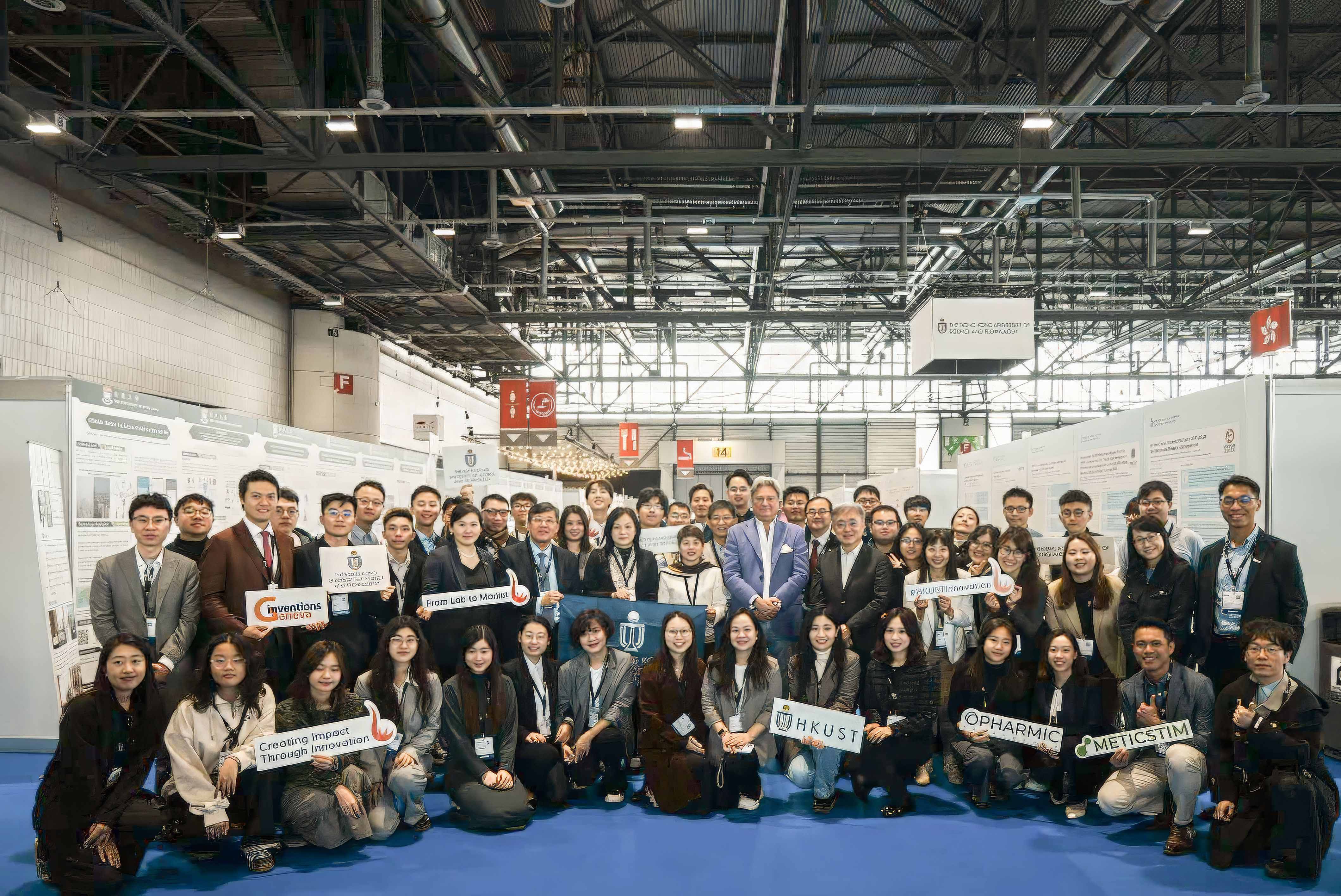
A group photo of Mr. David TAJI FAROUKI (second row, nineth left), President of the Jury of the International Exhibition of Inventions Geneva (Geneva Inventions), Ir Andrew YOUNG (second row, nineth right), Hong Kong's official representative for Geneva Inventions and the HKUST delegation led by Dr. KIM Shin-Cheul (second row, tenth right), Associate Vice-President for Research and Development (Knowledge Transfer).
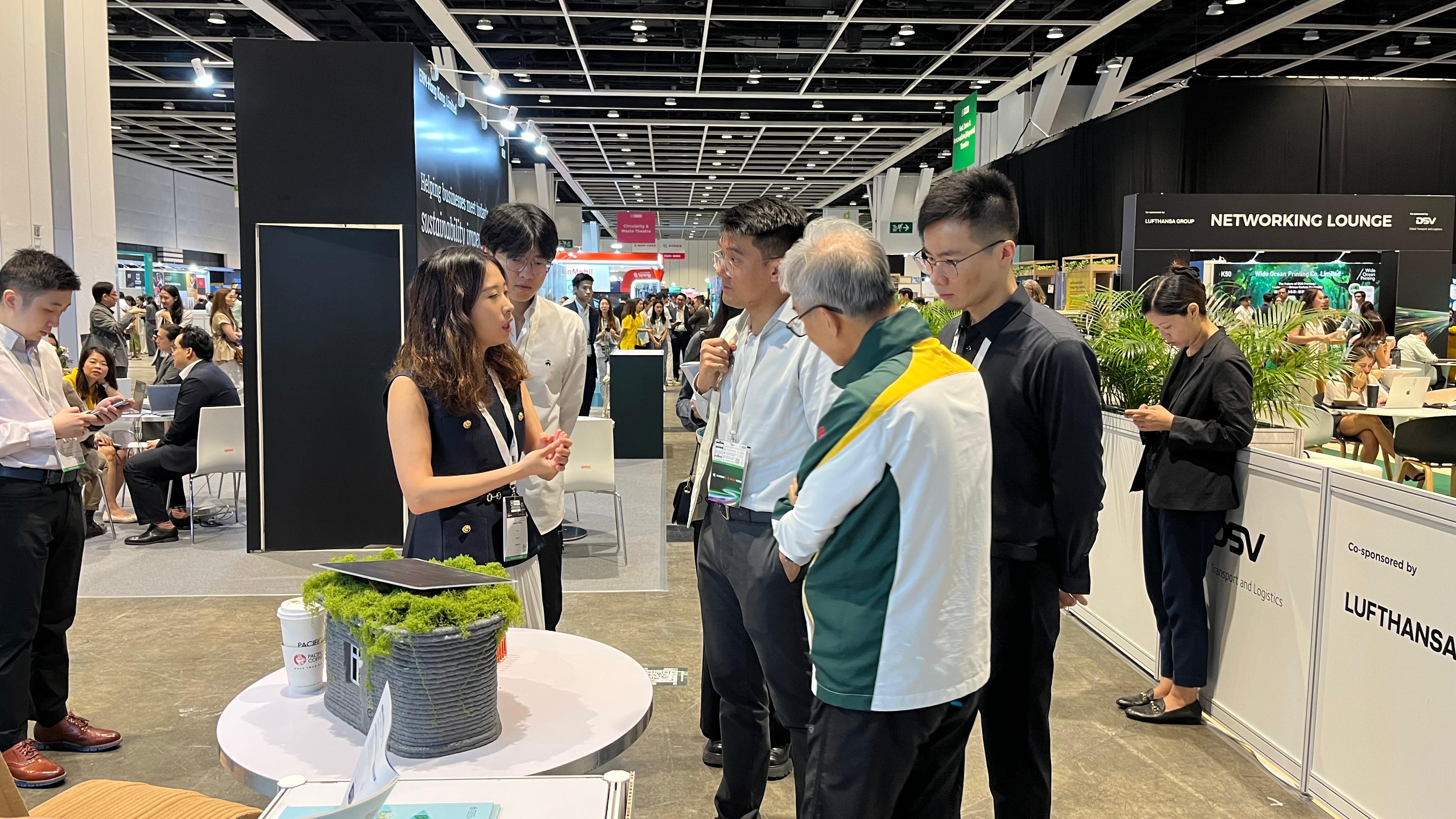
HKUST's Sustainable Tech Startups Pioneer Green Innovation at ReThink HK 2025
HKUST showcased six pioneering startups at ReThink HK 2025, featuring cutting-edge sustainable material technologies including a digital twin of the GBA Earth system, carbon-neutral biochar-concrete printing, and acoustic innovations. These solutions demonstrated a powerful pathway from academic discovery to viable eco-friendly business ventures, reinforcing HKUST's commitment to sustainability through its Net-Zero 2045 action plan.
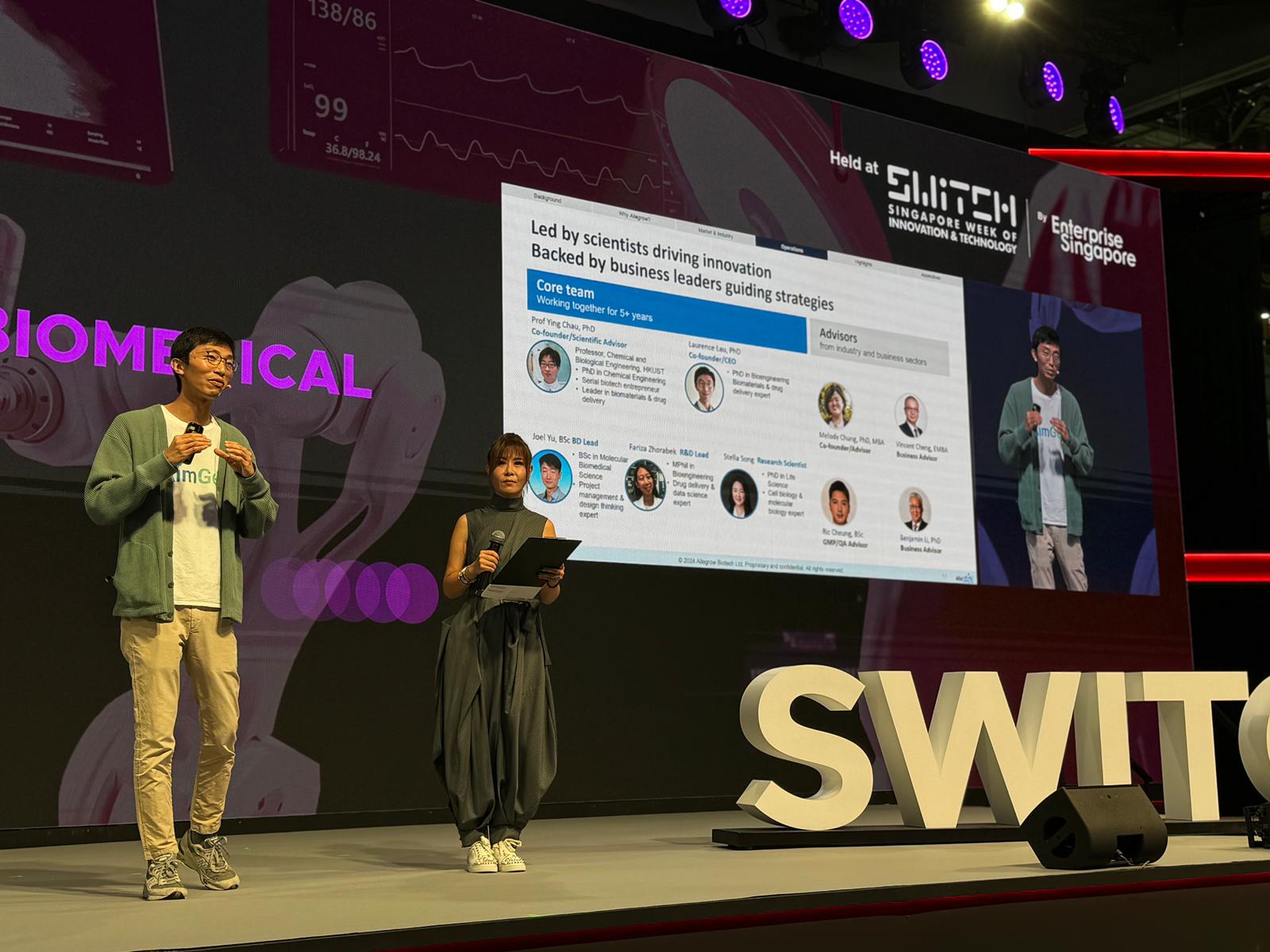
HKUST GreenTech Ventures Shine at TechInnovation 2024 in Singapore
HKUST proudly presented six pioneering GreenTech projects at TechInnovation 2024 in Singapore, including Allegrow Biotech (named a Top 50 SLINGSHOT Domain Finalist at SWITCH 2024), Coalot Tech, EcoTech, Enviridis, NMI, and Ooley Care. The ventures actively collaborated with industry leaders such as OCBC, the Singapore Green Building Council, Frasers Property, and Gobi Partners to explore business and investment opportunities.
Community Engagement
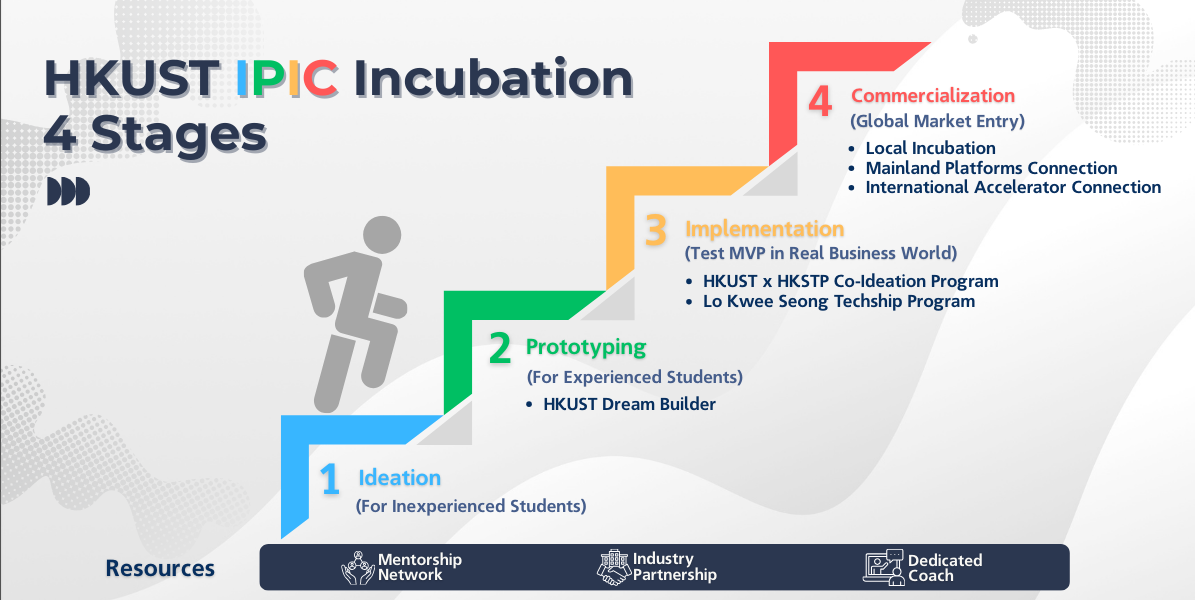
HKUST Dream Builder Program
The HKUST Entrepreneurship Center holds various incubation programs for start-ups, including the Dream Builder Incubation Program which offers funding, coaching, training, mentorship, and in-kind support to aspiring entrepreneurs in developing innovative startups.
Innovation Support
Von Neumann Institute
HKUST has launched the Von Neumann Institute (VNI) to drive AI innovation through interdisciplinary research in embodied intelligence, generative AI, and supercomputing. Led by Prof. JIA Jiaya, VNI will focus on multimodal AI systems, robotics, and healthcare applications, while training over 100 PhD students and offering secondary school outreach programs. Supported by HKIC and industry partner SmartMore, the institute aims to build a complete AI ecosystem, strengthen industry-academia collaboration, and accelerate the commercialization of AI technologies—reinforcing HKUST's role in advancing innovation and supporting economic growth. ability, biomedical and healthcare.
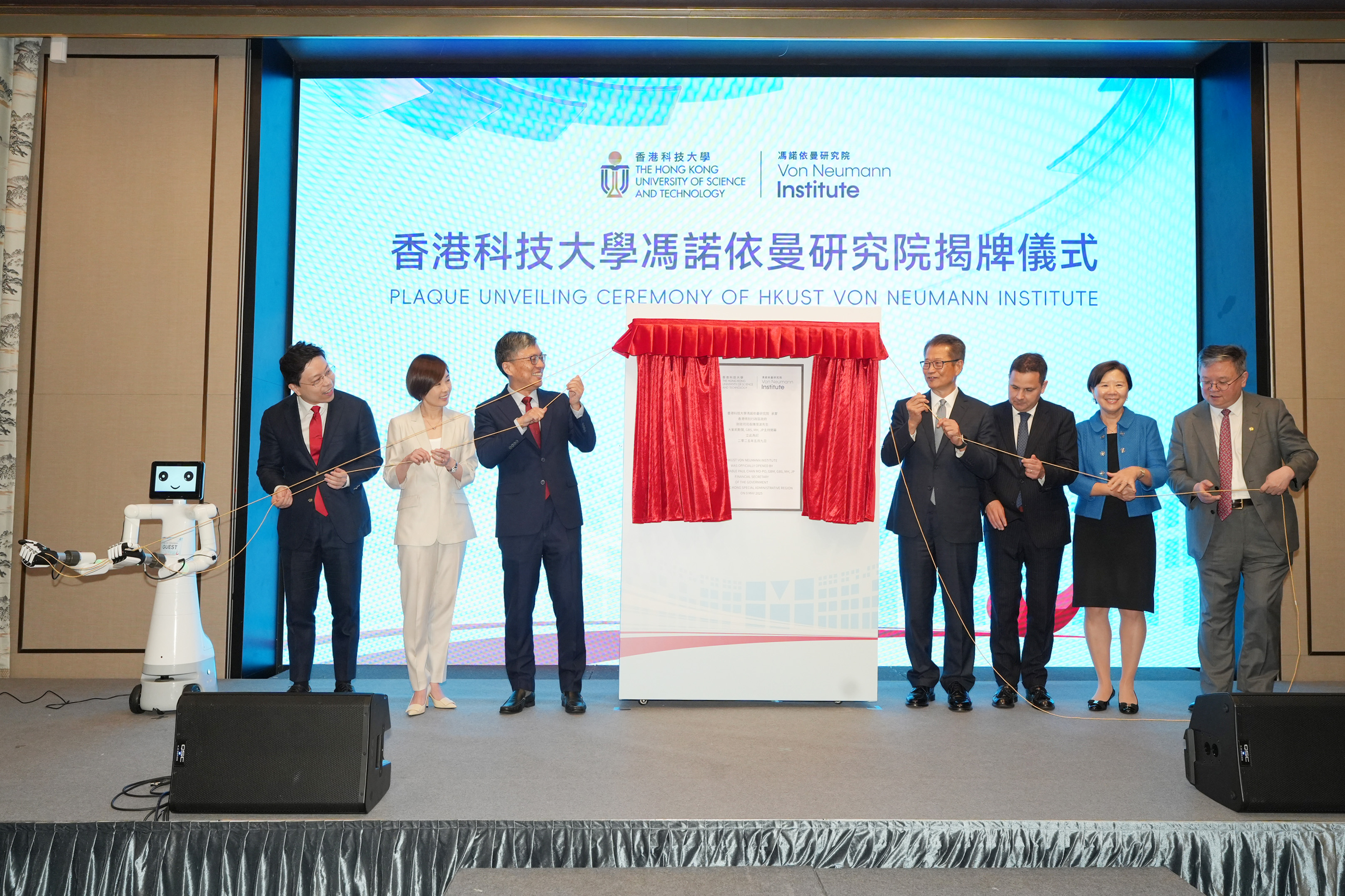
HKUST establishes the Von Neumann Institute (VNI) today. Mr. Paul CHAN, Financial Secretary of HKSAR (fourth right); Dr. Pál KERTÉSZ, Consul General of Hungary in Hong Kong (third right); Ms. Clara CHAN Ka-Chai, Chief Executive Officer of HKIC (second left); Prof. Harry SHUM, HKUST Council Chairman (third left); Prof. Nancy IP, HKUST President (second right); and Prof. GUO Yike, HKUST Provost (first right), together with Director of VNI Prof. JIA Jiaya (first left) and Vonnex, an AI robot developed by Prof Jia’s research team, officiate the plaque unveiling session.
HKUST Entrepreneurship Fund (E-Fund)
HKUST has established the HKUST Entrepreneurship Fund (E-Fund) with an initial commitment of HK$100 million to support promising technology start-ups founded by HKUST stakeholders. The fund provides capital investment—not grants—to bridge the funding gap for early-stage ventures before they secure external investment. By aligning with HKUST's knowledge transfer mission, E-Fund strengthens the University's innovation ecosystem, fosters entrepreneurial spirit, and helps translate cutting-edge research into commercial ventures that drive social and economic impact.
Events
Unicorn Day
HKUST's annual Unicorn Day returned on 13 June 2025 with an expanded scope and scale. Featuring an impressive exhibition of over 100 HKUST cutting-edge technologies spanning Electronics, AI and Smart Systems; Material, Energy and Sustainability, and Bio-Medical and Healthcare, along with seven parallel pitch sessions and a series of activities, the event attracted over 1,300 distinguished guests to campus, including 6 legislators, representatives from 9 consulates general, as well as many business leaders, government officials, potential investors, and other key stakeholders. The flagship initiative serves as a powerful springboard, empowering Hong Kong's brightest minds to scale their innovations internationally by bridging cutting-edge research with real-world commercialization.
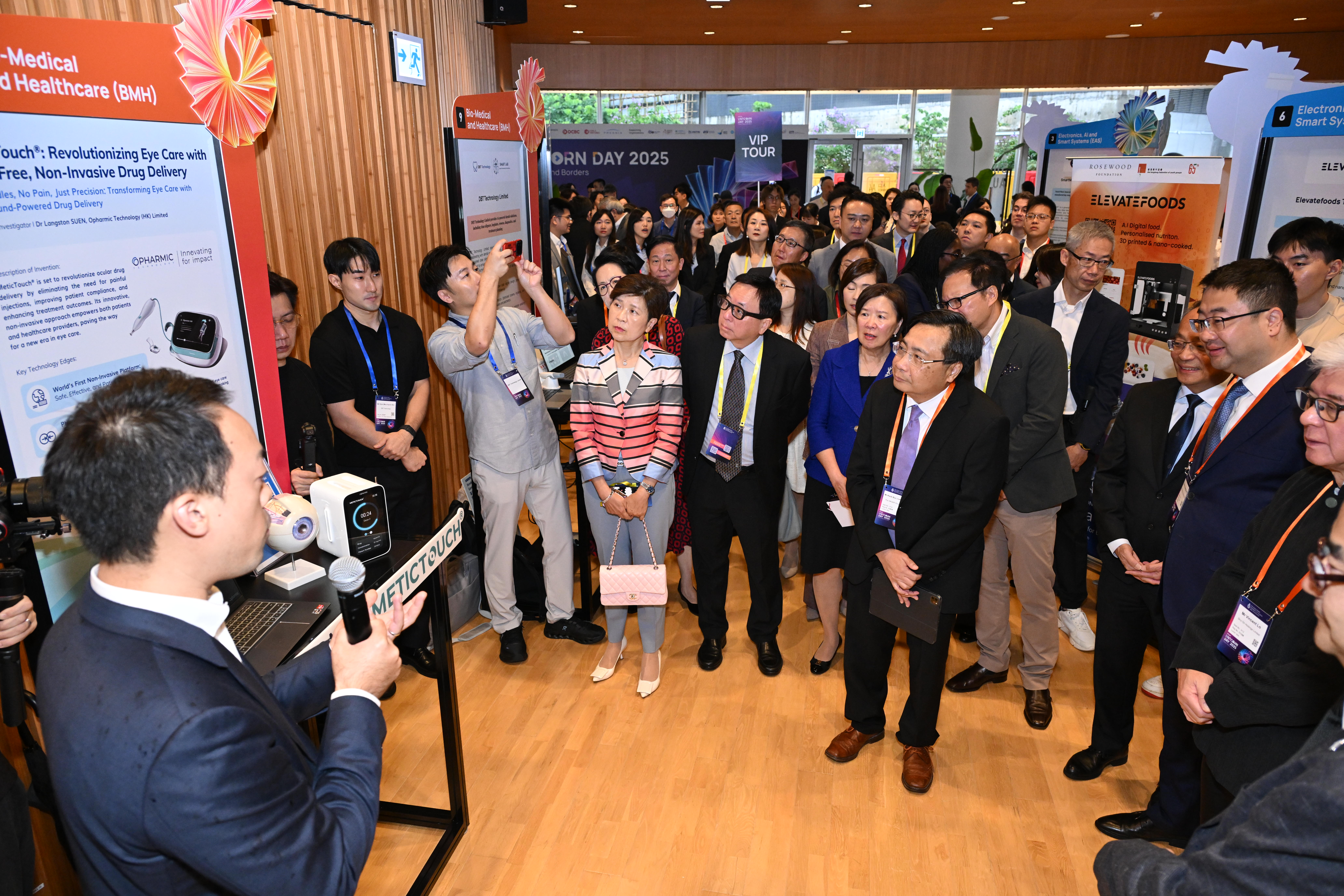
Unicorn Day -June 13, 2025