SDG 2: Zero Hunger
Recognizing the urgent need to address food insecurity and promote sustainable agriculture, HKUST encourages research in efficient food production while educating members in sustainable food management and environmental impacts from food waste. In addition, we engage and educate the community through organic gardening practices on campus. Through our policies and collaborations with passionate NGOs, the university is fully committed in promoting sustainable catering practices and serving the community beyond the campus, creating pathways to redirect food surplus to those in need.
Curriculum
Common Core Program
The Common Core Program requirements are mandatory for all undergraduate students, ensuring every graduate has the opportunity to engage with sustainability. For the 2024-25 academic year, over 20 Common Core courses are directly related to Sustainability and the SDGs, making sustainability education an integral part of the foundational curriculum for all students.
Extended Major in Sustainability
For students seeking deeper engagement, the Extended Major in Sustainability is available in combination with Science, Engineering, Business, Humanities and Social Science, and most Academy of Interdisciplinary Studies majors. In 2024-2025, it offers 55 courses covering a range of SDG topics, providing an interdisciplinary pathway for students across disciplines.
Other Relevant Programs
Additional specialized degree programs further integrate SDGs into the curriculum, including the BSc in Environmental Management and Technology (EVMT) , the BSc in Sustainable and Green Finance (SGFN) , and the BSc in Ocean Science and Technology (OST). These multi-disciplinary programs equip students with the knowledge and skills needed to address specific sustainability challenges.
For more details on the integration of SDGs across the HKUST curriculum, please click here.
HKUST offers courses such as:
PPOL6101A – Food Security and Agricultural Development: Examines food security challenges through an integrated policy lens and focuses on ensuring universal access to sufficient, safe, and nutritious food.
Research
According to Science Direct, from 2021 to 2025, HKUST published 84 research papers addressing SDG 2.
11.8% of them are in the top 10% cited score, and around 81.0% are internationally co-authored.
Research Highlights
Publication
HKUST is actively conducting research addressing hunger-related issues.
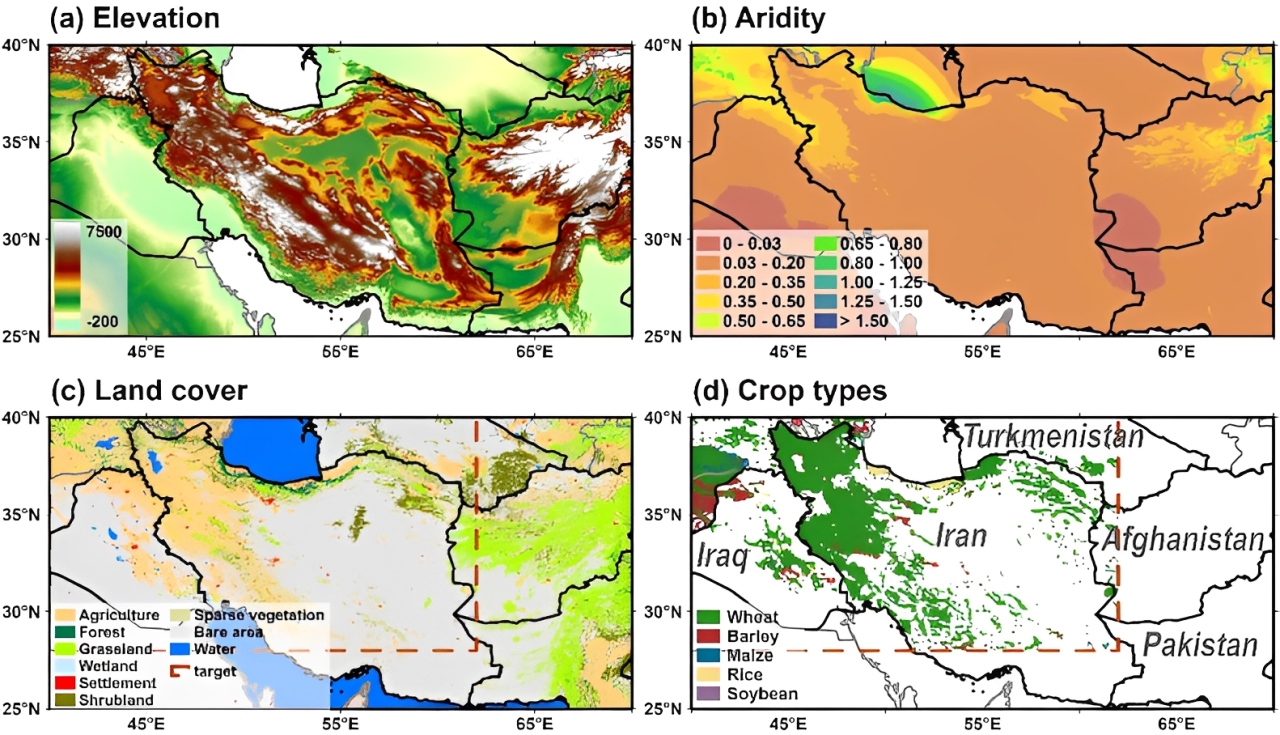
HKUST Researchers Develop Hybrid AI Model for Sub-seasonal Crop Growth Predictions to Enhance Food Security in Central Southwestern Asia
Researchers at the Hong Kong University of Science and Technology (HKUST) have developed a fully operational hybrid model combining convolutional neural networks with climate dynamical systems to predict crop health (NDVI) one month in advance in Central Southwestern Asia, a region highly vulnerable to agricultural disruptions that threaten food security and livelihoods. This pioneering approach supports real-time agricultural planning and sustainable farming, contributing directly to Zero Hunger (SDG 2) by enabling proactive management to mitigate the impacts of extreme weather on crop yields.
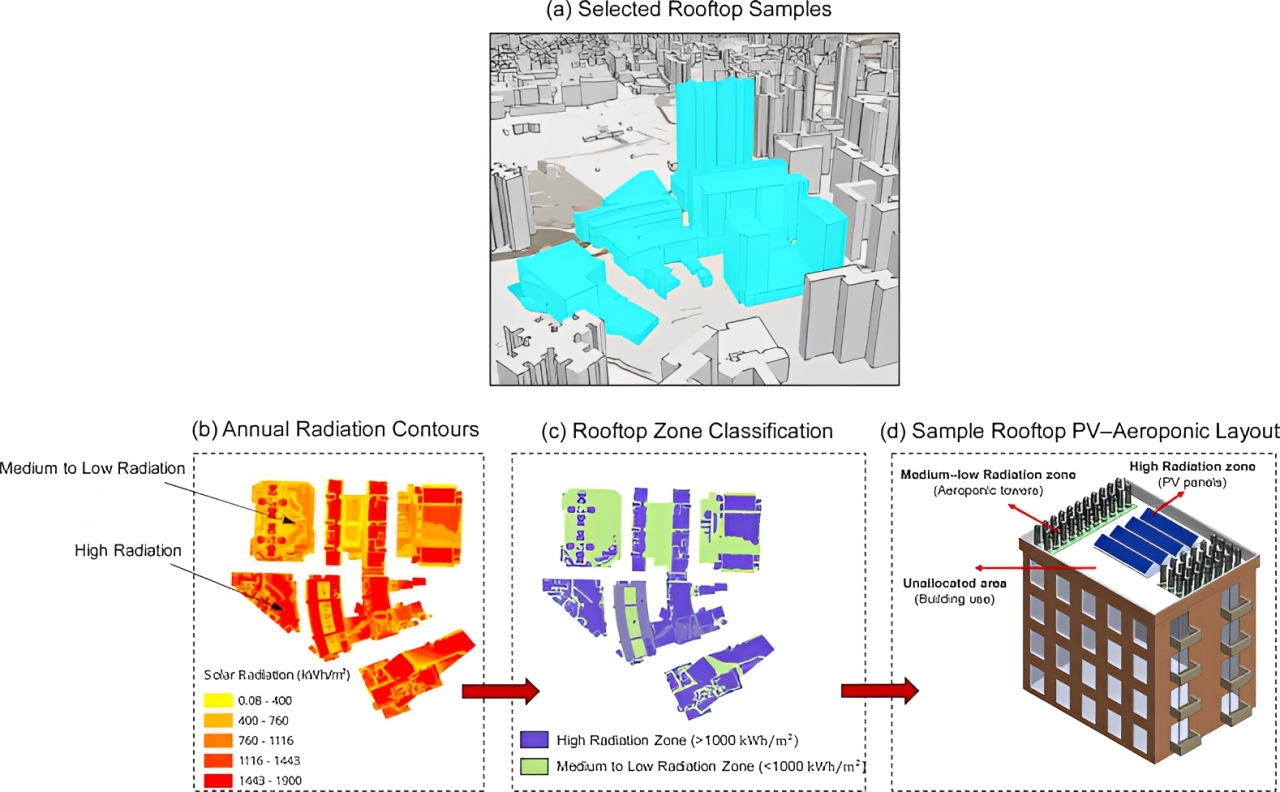
City-Scale Framework for Synergistic Food and Energy Production on Urban Rooftops
Harnessing the power of integrated photovoltaic-aeroponic systems, this groundbreaking study presents a city-scale framework that enables simultaneous food production and clean energy generation on urban rooftops. By demonstrating how underutilized urban spaces can be transformed into productive agricultural and energy hubs, it provides valuable insights for policymakers worldwide to address the United Nations' Sustainable Development Goals related to zero hunger, sustainable agriculture, and clean energy.
Policy
Sustainable Food Operation Policy
With the significant demand for food among the campus community, HKUST recognizes its responsibility to address sustainability impacts arising from food and catering. This HKUST Sustainable Food Operation Policy covers all food procurement and disposal on campus, covering caterers, offices, and events.
Sustainable Catering Policy
The HKUST Sustainable Catering Policy aims to promote sustainable food practices, reduce food waste, and foster responsible consumption. Caterers are required to develop sustainable food plans, follow sustainable seafood guidelines, and use environmentally preferable cleaning chemicals. The policy encourages organic farming and engagement in sustainable learning experiences to create clean, healthy, and environmentally responsible food services and foster a sustainable food systems within the university community.
Community Engagement
Food Recycling Action at the Wet Market
HKUST student volunteers partnered with The Conservancy Association to collect surplus edible food from wet markets in Tsuen Wan and redistribute it to individuals in need. This initiative not only helped reduce food waste and its environmental impact but also supported community members struggling to access nutritious meals, deepening the students' understanding of sustainability and social care.
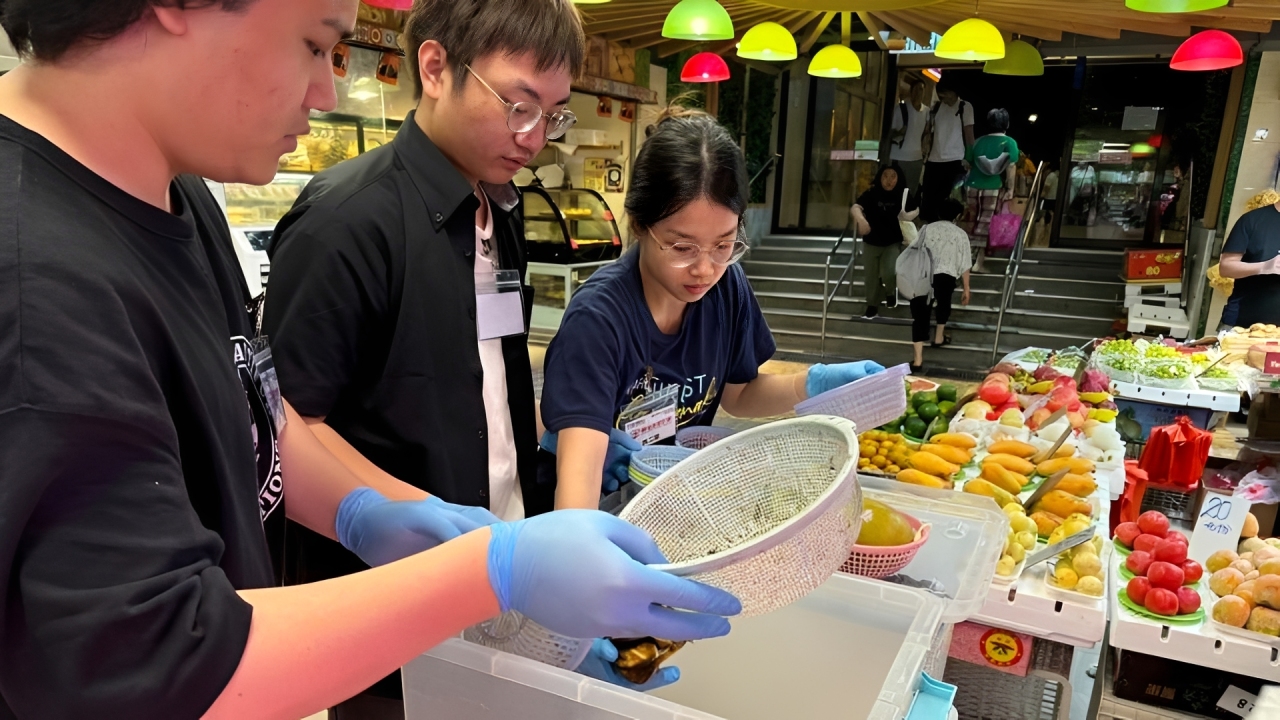
Food Recycling Action at the Wet Market - 4 October 2024
Rice Planting Experience
HKUST student volunteers participated in a hands-on rice planting experience in the 200-year-old organic fields at Yi O on Lantau Island. By wading through muddy paddies and learning traditional farming techniques, participants gained a deep appreciation for the hard work and physical labor behind every grain of rice. This immersive experience fostered a new respect for farmers and sustainable agriculture, inspiring many volunteers to make a personal commitment to reduce food waste and carry this meaningful perspective back to their daily lives.
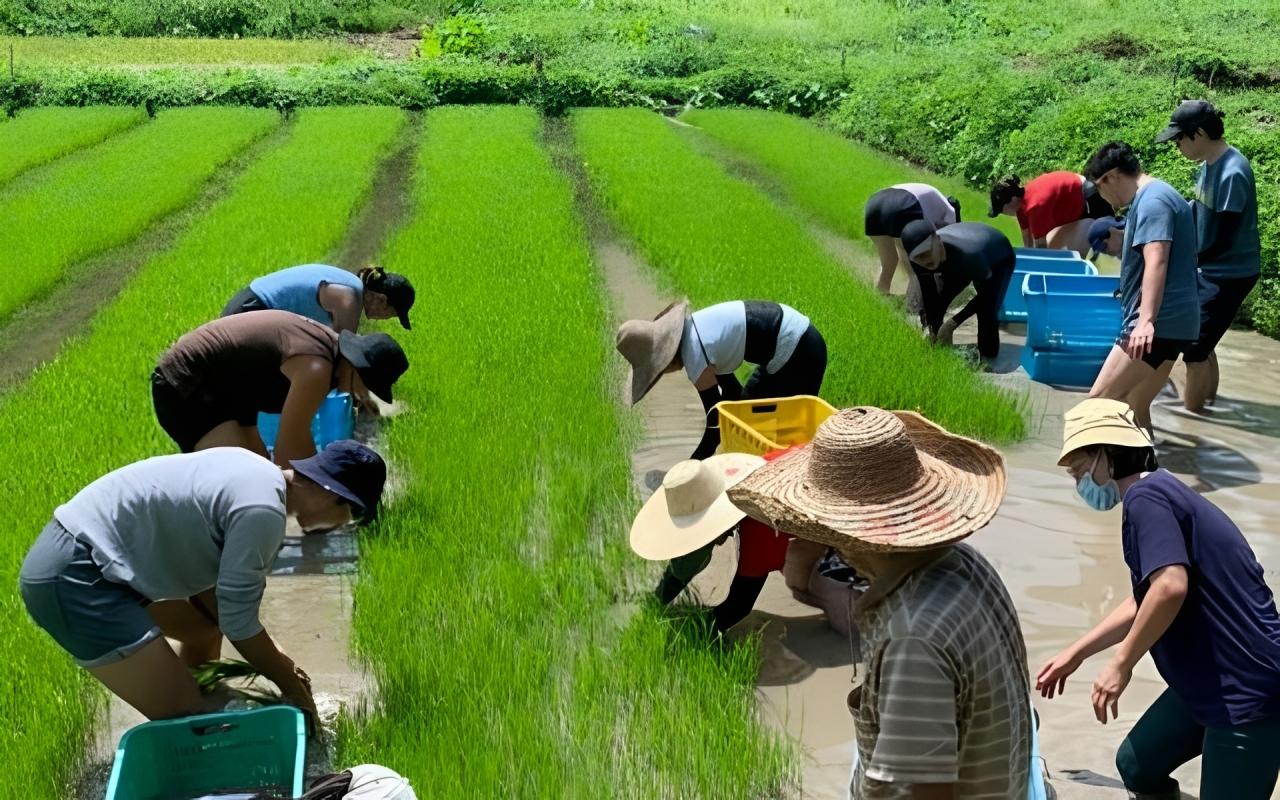
Rice Planting Experience - 3 April 2025
Food Parcel Packing
HKUST volunteers partnered with Feeding Hong Kong to tackle food insecurity and contribute to SDG 2 (Zero Hunger). Through this collaboration, volunteers unpacked food donations, conducted rigorous quality checks to ensure safety, and assembled nutritious parcels for distribution to charity partners serving vulnerable communities across Hong Kong. This hands-on effort not only redirected surplus food from landfills to those in need but also raised volunteers' awareness of food waste and hunger issues in the city. By channeling student manpower and energy into an established NGO's operations, this partnership demonstrates how cross-sector collaboration can strengthen local food relief networks and support sustainable food systems.
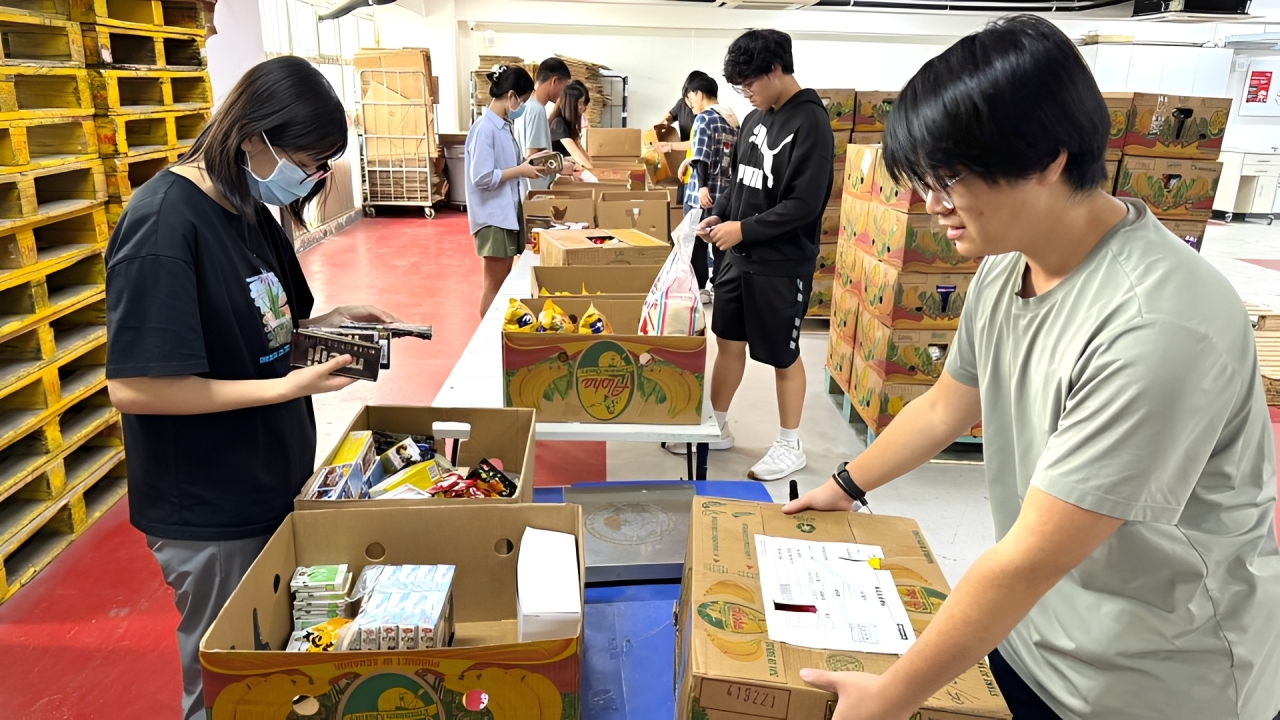
Food Parcel Packing - 29 October 2024
Volunteering @Food Angel
HKUST volunteers partnered with Food Angel at their Sham Shui Po central kitchen to prepare meal boxes using donated surplus food. In just two hours, they packed 1,979 meal boxes for distribution to vulnerable communities across Hong Kong.
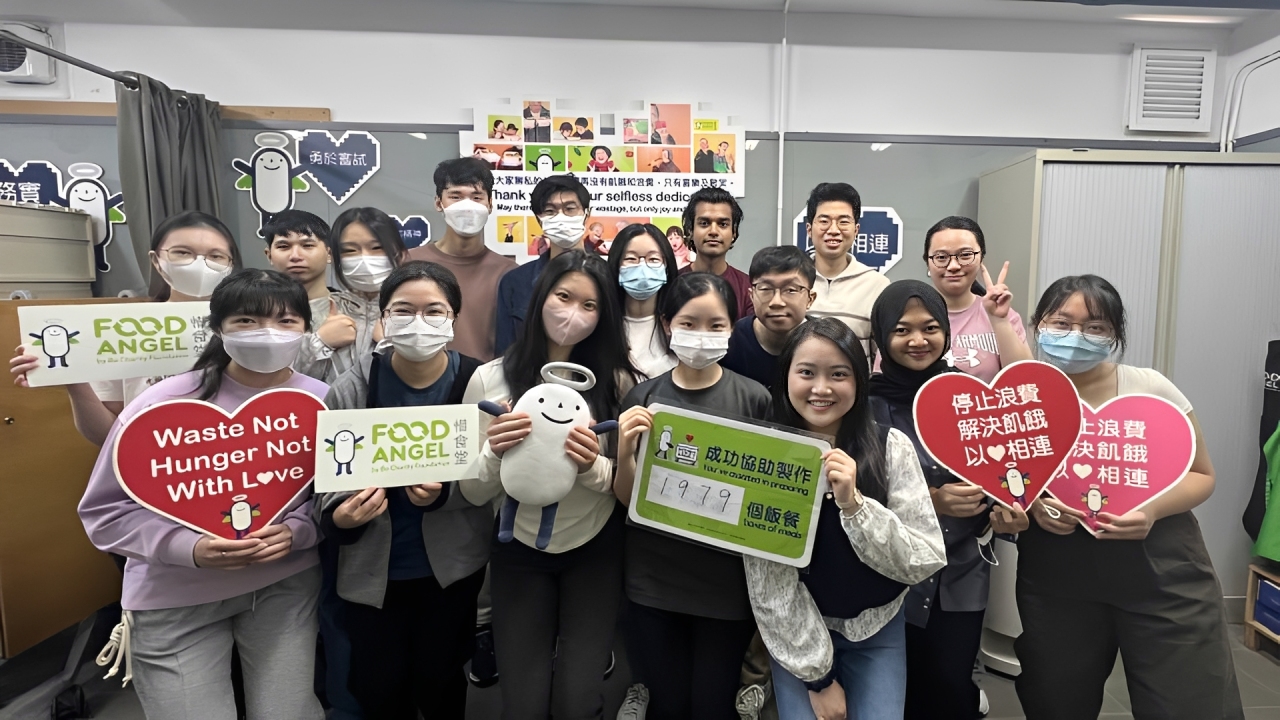
Volunteering @ Food Angel - 14 April 2025
HKUST Bread Run
Eleven HKUST volunteers partnered with Feeding Hong Kong to collect surplus bread from bakeries across the city and deliver it to the food bank for distribution to shelters, migrant worker centers, women's refuges, children's homes, and other nonprofit programs serving vulnerable communities.
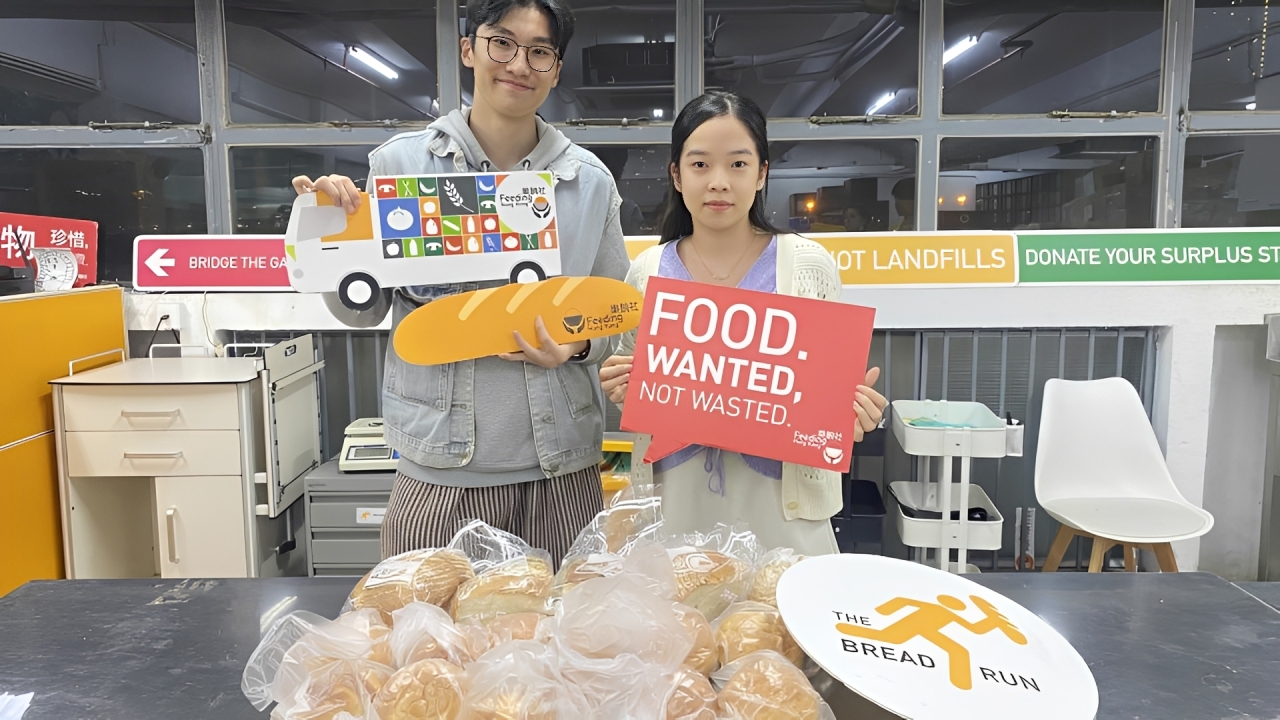
HKUST Bread Run - 21 November 2024
Community Garden
The HKUST Community Garden was established in 2021 by a group of volunteers in the HKUST community. Through organic farming practices, including seed traceability and natural pest control, the garden fosters great understanding and appreciation of land conservation techniques and sustainable land use. The garden's collaborative approach extends to the broader community, thus creating a shared commitment to sustainable food production and responsible consumption.

The Jockey Club Sustainable Campus Consumer Programme
The Jockey Club Sustainable Campus Consumer Programme's #EatForThePlanet initiative is a commendable effort to help university students and staff make more climate-conscious food choices on campus. Through engaging partners such as Food Made Good Hong Kong and Klimato to assess the carbon footprint of each menu, the low, medium, and high climate impact labels are created. As a result, our campus community can make conscious decisions when selecting meals, which might lead to ordering dishes with a smaller carbon footprint.
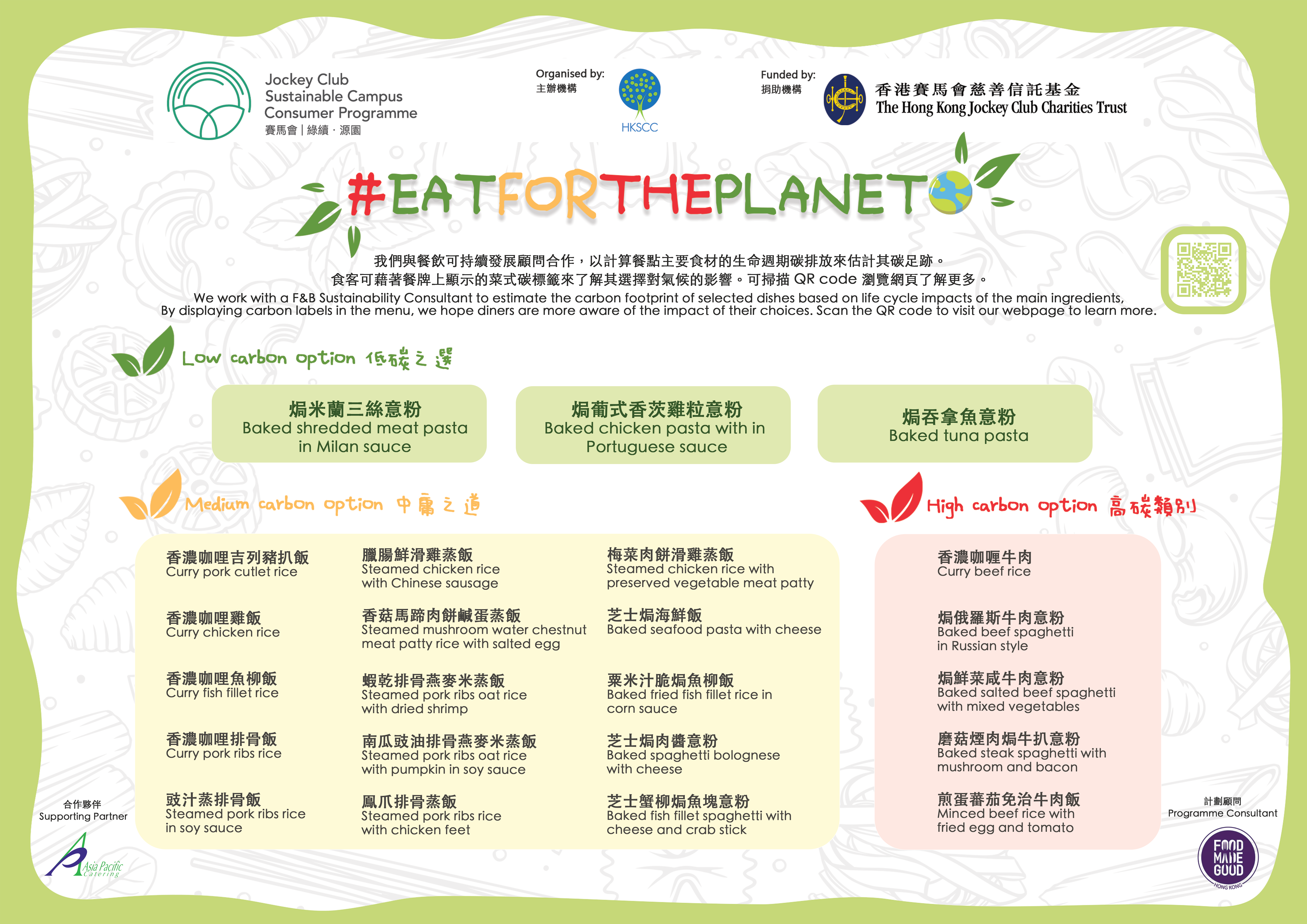
Carbon menu sample for Asia Pacific Catering